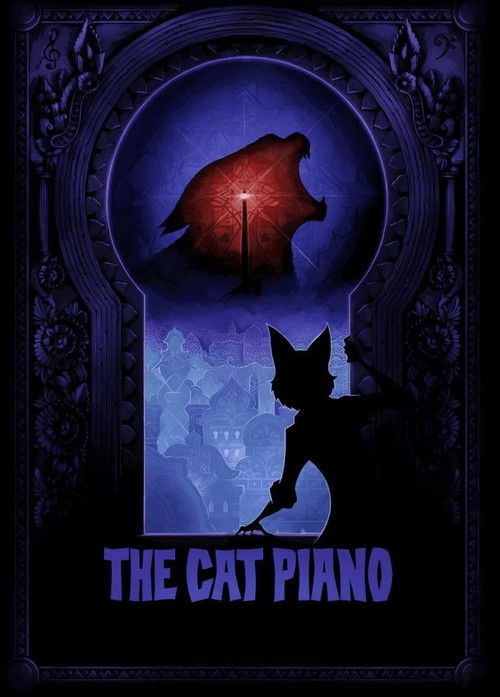
The Cat Piano
2009
No user ratings available yet
Representation score: 5.0 out of 10
Representation Score
Excellent
2010
Director
Hayao Miyazaki
Runtime
12 minutes
Average Rating
No ratings yetNew Showbiz Analysis
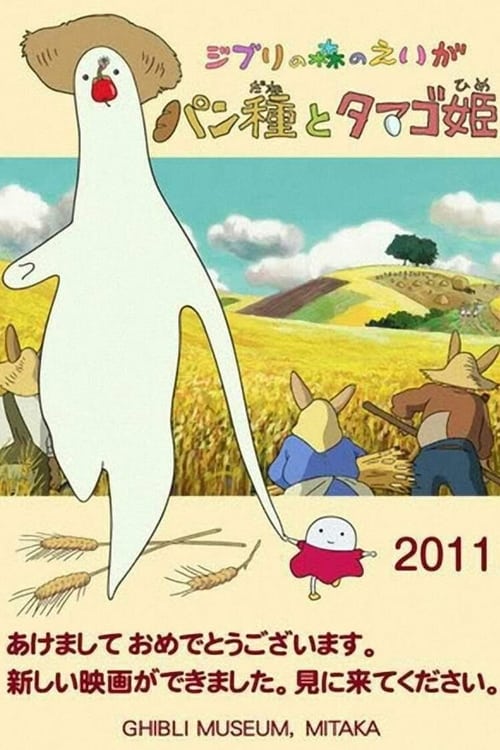
Mr. Dough and the Egg Princess explores themes of autonomy and resistance against systemic oppression using high-fantasy elements. By centering the story on non-human protagonists, the film disrupts traditional power dynamics and human-centric romantic clichés. The narrative emphasizes the resilience of the female protagonist, presenting her as a figure of strength rather than submission. The use of non-human character designs as metaphors provides a framework for discussing identity and social standing outside traditional human paradigms. While the film does not explicitly depict neurodivergence or specific physical disabilities, it offers a progressive perspective on underrepresented experiences through its focus on 'othered' bodies and critiques of predatory authority figures.
Category Breakdown
The film focuses on a unique relationship between a Dough entity and an Egg-girl, challenging traditional heterosexual norms by highlighting a connection between two unconventional, non-human entities.
The Egg-girl serves as a strong female protagonist who navigates a dangerous world dominated by monstrous authorities. Her journey emphasizes self-actualization over traditional submissive feminine roles.
Using non-human species such as Dough and the Boar-witch, the film employs character design as a metaphor for identity, allowing for a critique of biological essentialism.
The narrative critiques oppressive traditional institutions through the Egg-girl's escape from a predatory witch. The use of Vivaldi’s La Folia indicates a sophisticated, pluralistic approach to the film's morality.
The Egg-girl and Dough represent bodies that exist outside typical human physiology. Their struggle for ability to act highlights the lived experiences of non-standard physicalities.
Present on Screen
Limited or Absent
Official Synopsis
The story of a tiny Egg-girl who is forced to serve the evil Boar-like witch Baba Yaga. But after a blob of Dough comes to life, she befriends him and both escape from the witch's home at a Water mill on a cliff and set off to see the world. The soundtrack is Joe Hisaishi's arrangement of Vivaldi's La Folia
2009
1968

2006
2017
1954
1994

2023
2002
No reviews yet. Be the first to share your thoughts on this movie!
Use the rating form above to leave a star rating and optional review.