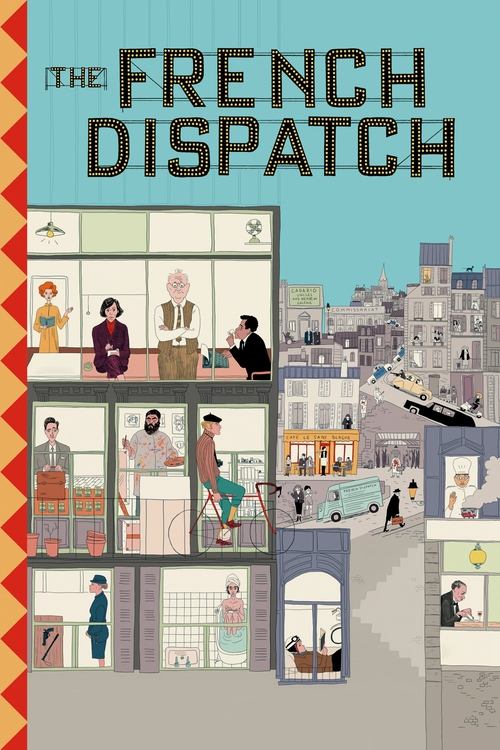
The French Dispatch of the Liberty, Kansas Evening Sun
2021
No user ratings available yet
Representation score: 9.2 out of 10
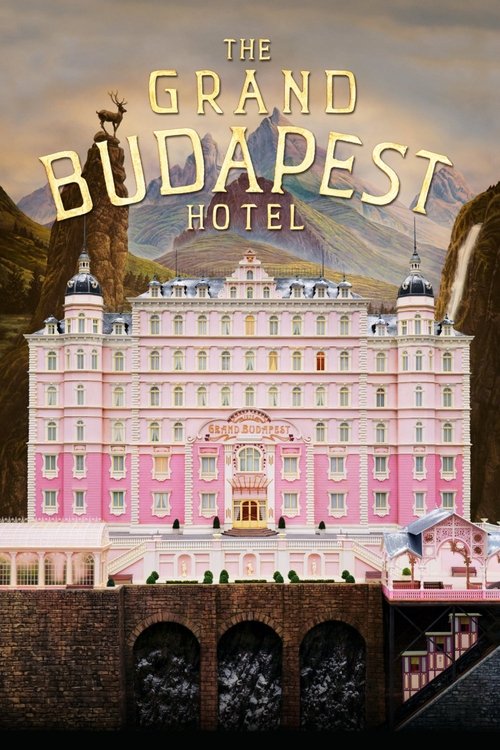
Representation Score
Excellent
2014
RDirector
Wes Anderson
Runtime
100 minutes
Average Rating
No ratings yetNew Showbiz Analysis
The film excels by centering the ability to act of the outsider against a backdrop of crumbling European institutions. By utilizing Zero Moustafa as a central protagonist, the story provides a sophisticated exploration of displacement and the immigrant experience. While the narrative successfully deconstructs social hierarchies and critiques nationalist fervor, it remains limited in its explicit representation of LGBTQ+ identities. The absence of non-straight characters prevents a higher score in that category. Overall, the film's strength lies in its systemic critique. It moves beyond simple character archetypes to examine how shifting geopolitical realities impact individual ability to act and social order.
Category Breakdown
The film lacks explicit LGBTQ+ characters or depictions of non-straight relationships. While the aesthetic leans into camp and stylized artifice, there is no overt representation or identity-specific dialogue.
Women are portrayed as complex actors rather than submissive stereotypes. Madame D. plays a significant economic role, and Agatha serves as a vital moral and emotional anchor within the story.
Zero Moustafa provides a nuanced portrayal of the immigrant experience. As a refugee, he evolves from a protégé into a central driver of the plot within a Eurocentric setting.
The narrative critiques traditional Western institutions by portraying the rise of totalitarianism. It examines the fragility of aristocratic power and the corrosive nature of nationalist movements.
The film avoids using disability as a plot device or a source of mockery. However, it lacks prominent characters with visible or neurodivergent disabilities.
Present on Screen
Limited or Absent
Official Synopsis
The Grand Budapest Hotel tells of a legendary concierge at a famous European hotel between the wars and his friendship with a young employee who becomes his trusted protégé. The story involves the theft and recovery of a priceless Renaissance painting, the battle for an enormous family fortune and the slow and then sudden upheavals that transformed Europe during the first half of the 20th century.
2021
1970
2022
1966

2022
1951

2021

1964
No reviews yet. Be the first to share your thoughts on this movie!
Use the rating form above to leave a star rating and optional review.