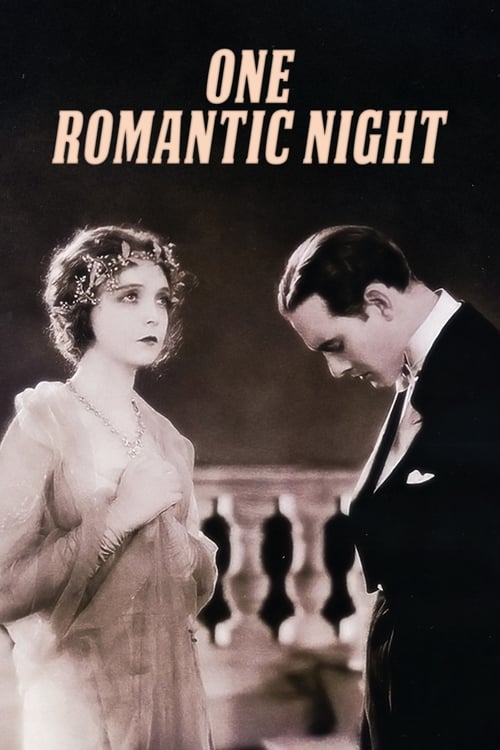
One Romantic Night
1930
No user ratings available yet
Representation score: 2.5 out of 10
Representation Score
Minimal
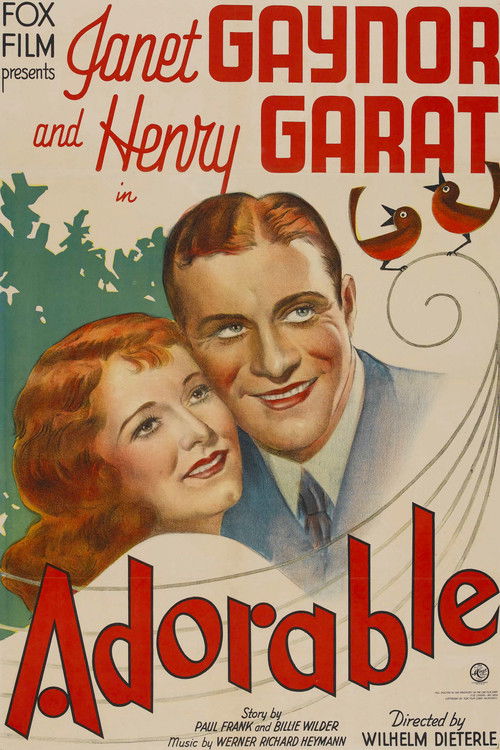
1933
ApprovedDirector
William Dieterle
Runtime
88 minutes
Average Rating
No ratings yetNew Showbiz Analysis
Adorable is a classic romantic comedy centered on the tension between personal autonomy and aristocratic duty. Its primary strength lies in the portrayal of a female protagonist who actively challenges traditional social contracts to pursue her own romantic future. However, the film is heavily influenced by the demographic standards of its time. It lacks representation of LGBTQ+ identities or diverse racial backgrounds, staying within a Eurocentric framework. Ultimately, while the film challenges some rigid hierarchies through Mitzi's rebellion, it remains a conventional period piece that does not question broader systemic or social structures.
Category Breakdown
The film does not include any characters with LGBTQ+ identities. The central plot revolves around a traditional romantic relationship.
Princess Mitzi is portrayed as a rebellious figure who resists patriarchal expectations. She pursues personal desires over state expectations, showing a moderate level of female empowerment.
The production seems to reflect the homogeneous social structures of 1933. It likely adheres to the Eurocentric casting norms typical of early sound-era romantic comedies.
The narrative criticizes Western institutions such as monarchy and arranged marriages. It presents individual happiness as a valid alternative to institutional duty.
There is no information about the inclusion of characters with visible or invisible disabilities.
Present on Screen
Limited or Absent
Official Synopsis
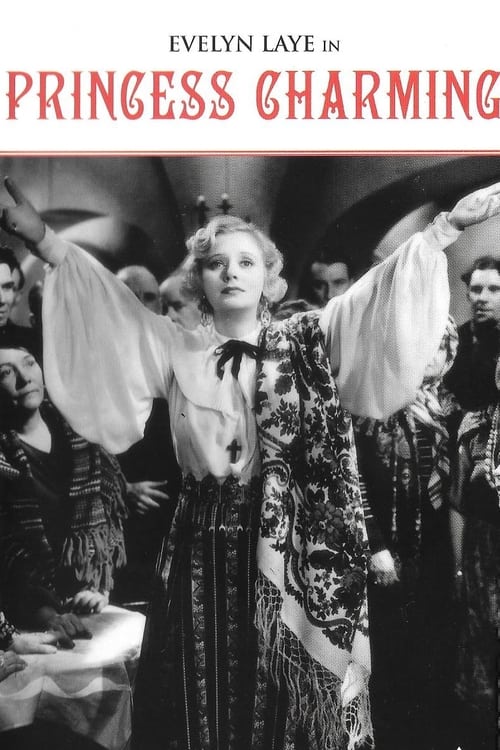
Rebellious Princess Marie "Mitzi" Christine must try to marry the man she loves, instead of the stuffy old prince her parents want her to marry.
1930
1955

1937

1938
1937

1934

1935
1934
No reviews yet. Be the first to share your thoughts on this movie!
Use the rating form above to leave a star rating and optional review.