
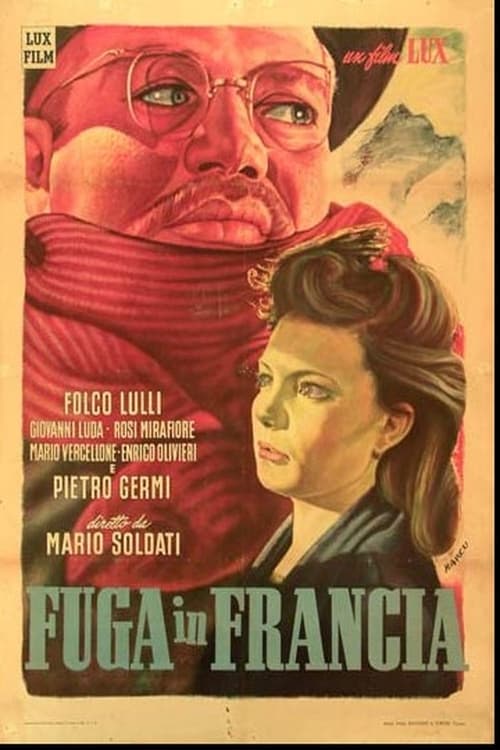
Voyage Without Hope
1943
No user ratings available yet
Representation score: 2.4 out of 10
Representation Score
Limited
1948
Director
Mario Soldati
Runtime
100 minutes
Average Rating
No ratings yetNew Showbiz Analysis
Mario Soldati’s drama focuses on the psychological complexities of accountability rather than showcasing diverse demographics. It succeeds by dismantling the heroic clichés of the Fascist era, shifting towards a nuanced exploration of individual guilt and displacement. However, the film remains confined by the social norms of its time. It lacks representation of LGBTQ+ identities and non-white characters, maintaining a homogeneous demographic typical of post-war European productions. Ultimately, the film’s strength lies in its moral complexity, which prioritizes the instability of social identity and the consequences of wartime actions over traditional depictions of heroism.
Category Breakdown
The film does not include any LGBTQ+ characters or narratives. It adheres strictly to the social norms of 1948 Italian cinema.
The story centers around a father and son relationship with a paternalistic structure. While it challenges the idea of Fascist masculinity, it does not give much importance to female roles.
The film reflects the homogeneous demographics of post-war Europe. There are no non-white characters or multi-layered casting.
The narrative criticizes past political structures by showing a former Fascist as a fugitive. This shifts the focus from nationalist propaganda to humanistic themes.
There are no characters with visible or invisible disabilities in the film. The focus remains on political and psychological themes.
Present on Screen
Limited or Absent
Official Synopsis
A former Fascist takes his son and escapes across the border into France, where he tries to avoid being recognized and having to pay for his wartime crimes.
1943

1945

1961
1959

1971

1983

1942

1947
No reviews yet. Be the first to share your thoughts on this movie!
Use the rating form above to leave a star rating and optional review.