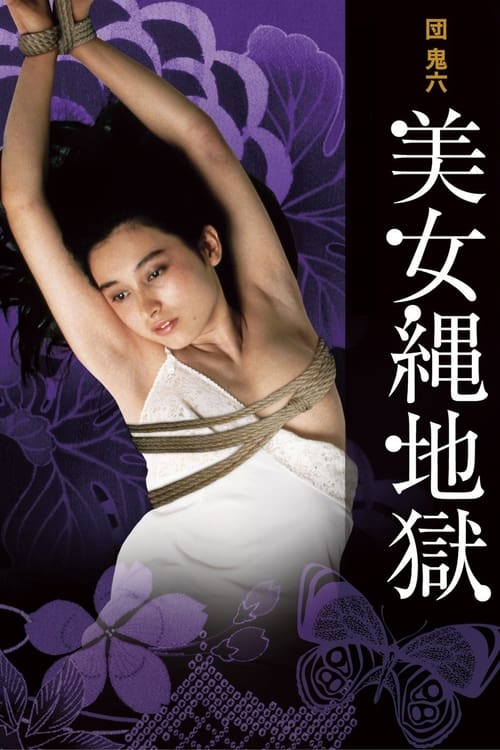
Beauty in Rope Hell
1983
No user ratings available yet
Diversity score: 1.5 out of 10

1981
Director
Hidehiro Ito
Runtime
67 minutes
Average Rating
No ratings yetSynopsis
Secretary Sayo does some corporate snooping for her boyfriend, an upstart executive with a rival company. But she gets busted by the CEO. Poor Sayo is captured and taken to a private torture chamber in the corporate mansion. While the secretary gets punished, the bossman's son becomes infatuated with her beautiful white skin and he assumes the disciplinary responsibilities. Between the floggings, stretchings, and wooden-horse tortures he finds time to cover her body in an elaborate tattoo.
Overall Score
Limited
Category Breakdown
LGBTQ+ Representation
The film centers on heteronormative power dynamics between a female secretary and male figures. There is no presence of queer narratives or non-cisnormative identities.
Gender Representation
The narrative utilizes a regressive hierarchy where the female protagonist is a passive recipient of subjugation. Femininity is framed through vulnerability and physical ornamentation.
Racial & Ethnic Diversity
The cast is ethnically homogeneous, reflecting its Japanese production origins. The focus on the protagonist's skin serves as a genre-specific aesthetic trope rather than a meaningful exploration of race.
Religious & Cultural Diversity
The story depicts a closed system of absolute corporate authority and punitive discipline. It lacks any engagement with secularism, moral relativism, or the deconstruction of institutions.
Disability Representation
The available material provides no evidence regarding the inclusion or portrayal of characters with physical or neurodivergent disabilities.
Strengths
Areas for Improvement
AI Analysis
Secretary Rope Discipline is a genre piece that reinforces established hierarchies of gender and power. The film relies on tropes of subjugation and traditional authority rather than narrative complexity or intersectional awareness. The production operates within a niche framework of 1980s Japanese exploitation cinema. Its creative intent focuses on stylized tropes rather than the subversion of social hierarchies or the promotion of diverse identities. Ultimately, the film presents a highly traditional and regressive worldview. It lacks character agency and fails to challenge the patriarchal structures it depicts.
1983
1982
1985
1981

1985
1999
1964
1977
1985
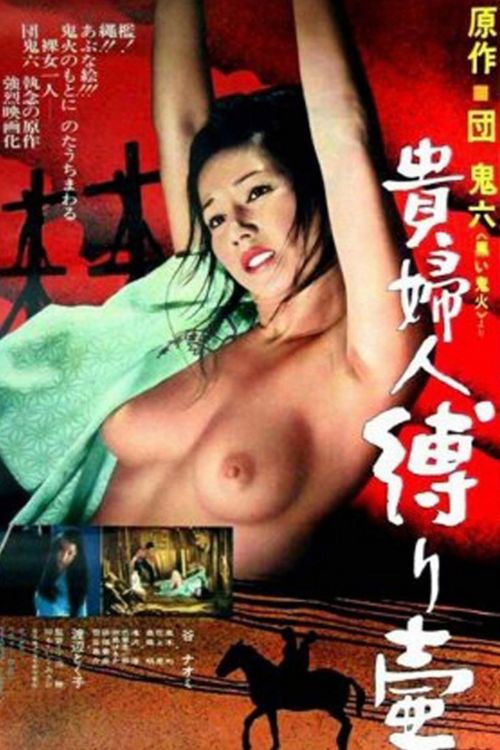
1977

1978
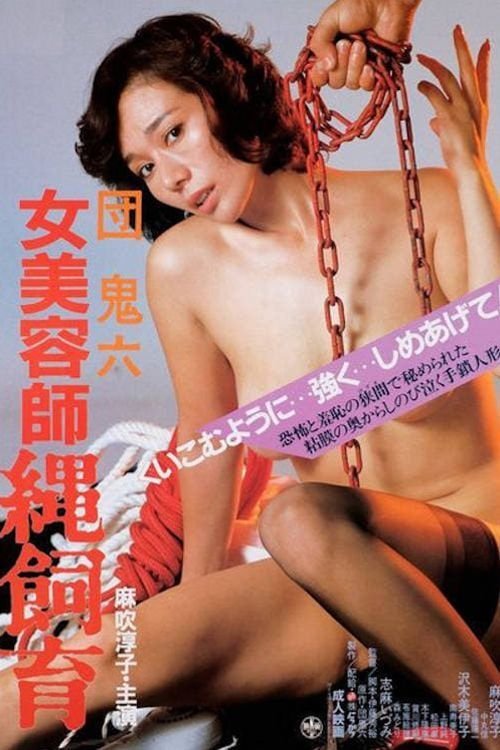
1981
No reviews yet. Be the first to share your thoughts on this movie!
Use the rating form above to leave a star rating and optional review.