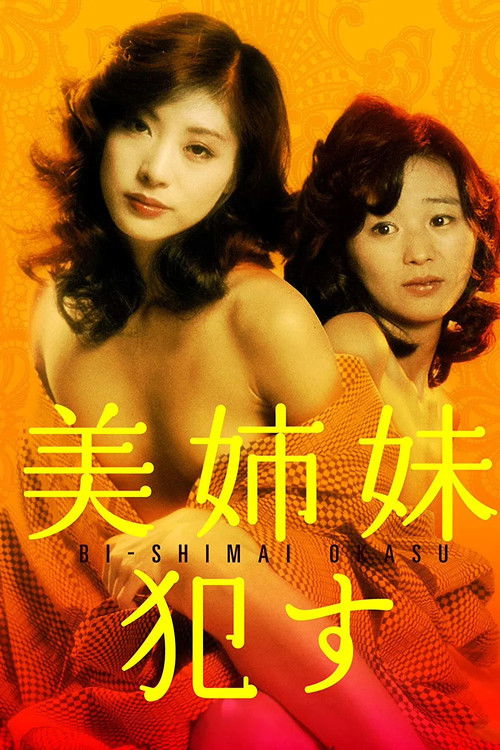
Beautiful Sisters: Seduced
1982
No user ratings available yet
Representation score: 1.2 out of 10
Representation Score
Minimal
1982
Director
Mamoru Watanabe
Runtime
62 minutes
Average Rating
No ratings yetNew Showbiz Analysis
Lusty Discipline in Uniform operates as a traditional domestic drama centered on interpersonal manipulation. The narrative prioritizes a singular, transactional pursuit of proximity through a parental figure, limiting its scope to personal conflict rather than systemic social critique. The film lacks depth in reflecting multiple aspects of identity, relying instead on established clichés of seduction and domestic entanglement. While female characters are central to the plot, they appear driven by the protagonist's desires rather than their own roles. Overall, the production reflects the cultural homogeneity of its era and genre, offering little in the way of diverse identity-driven storytelling or progressive representation.
Category Breakdown
The film follows a traditional storyline with a male protagonist and two female characters. There are no representations of non-cisgender identities or narratives that challenge the assumption that everyone is straight.
The plot revolves around male desire and the manipulation of women. Female characters seem to exist mainly as objects of pursuit rather than as independent individuals in a domestic drama setting.
As a Japanese production from 1982, the film features a culturally uniform cast. There is no indication of multicultural blending or diverse racial representation.
The story focuses on individualistic lust and interpersonal deception. It lacks themes of secularism, anti-Western sentiment, or broader cultural critiques, adhering to a conventional dramatic structure.
The film does not include any characters with physical or neurodivergent disabilities.
Present on Screen
Limited or Absent
Official Synopsis
Yoshimatsu lusts after Mikiko. He attempts to get closer to her by seducing Mikiko's mother.
1982

1969
1983
1978
1969
1980
1979
2014
No reviews yet. Be the first to share your thoughts on this movie!
Use the rating form above to leave a star rating and optional review.