Mia madre
2015
No user ratings available yet
Representation score: 4.1 out of 10
Representation Score
Good
1985
Director
Nanni Moretti
Runtime
94 minutes
Average Rating
No ratings yetNew Showbiz Analysis
Nanni Moretti’s work provides a sharp, postmodern critique of traditional Western institutions. By centering the story on a priest returning to a community defined by despair, the film deconstructs the perceived stability of religious and social frameworks. While the film excels in its intellectual engagement with institutional authority and mental health, it lacks demographic breadth. The narrative remains largely focused on a homogeneous social group, offering little visibility for racial or LGBTQ+ diversity. Ultimately, the film's strength lies in its psychological complexity. It trades idealized social clichés for a raw exploration of existential frustration and the failure of established hierarchies to provide meaning.
Category Breakdown
There are no explicit LGBTQ+ characters or critiques of the assumption that everyone is straight or cisgender in the film. The focus is on the psychological state of Father Giulio and his social circle.
The story centers on a male protagonist navigating a landscape of frustration. It disrupts traditional domestic ideals by focusing on psychological instability rather than a stable family unit.
Set in Rome, the film appears to focus on a relatively homogeneous social group. The narrative reflects a traditional demographic focus typical of mid-80s European social realism.
The film offers a sophisticated critique of the Church and traditional family structures. It uses existential despair to challenge the perceived moral efficacy of these institutions.
Mental health conditions, including depression and suicidal ideation, serve as central narrative drivers. These struggles are integrated into the core conflict rather than treated as peripheral.
Present on Screen
Limited or Absent
Official Synopsis
Young Father Giulio returns to Rome, where he was born and raised, to replace a priest who has left the clergy to start a family. He is delighted to reunite with his loved ones, especially his mother, sister, and old friends. Once radical leftists like Giulio himself, the latter are now each coping in their own way with the defeat of the revolution. Soon, however, Giulio realizes that despite his best efforts, he seems unable to solve the problems troubling those around him.
2015
1993

1991
1978
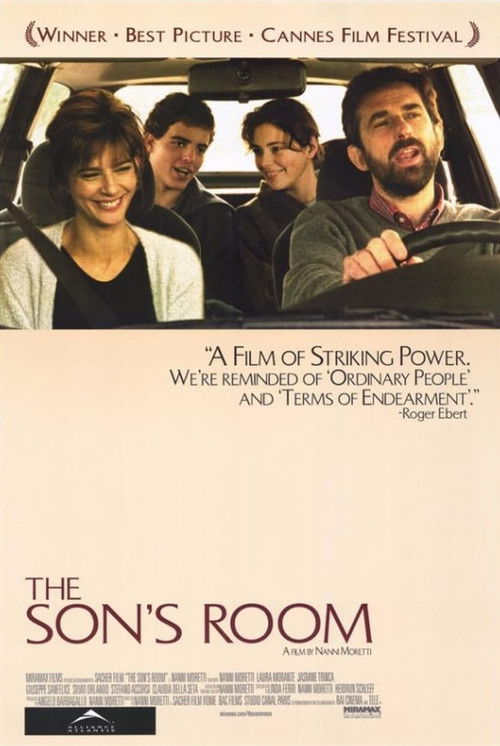
2001
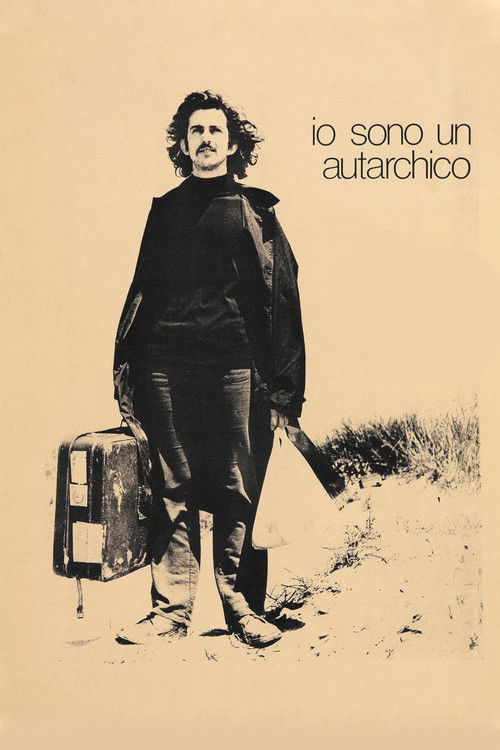
1976
1990
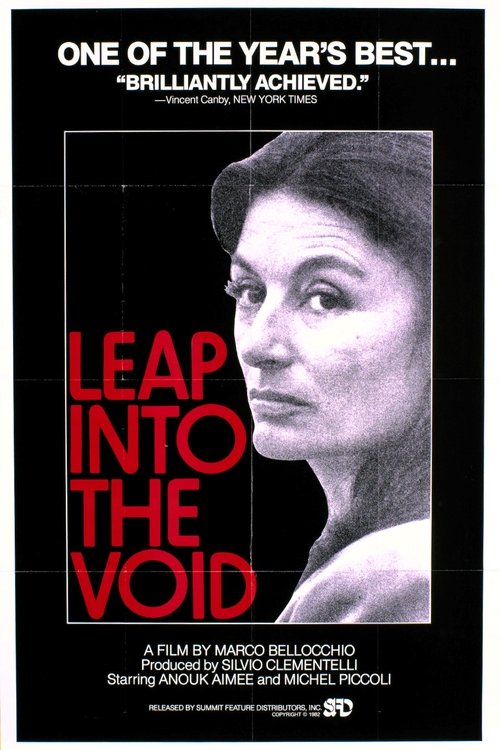
1980
No reviews yet. Be the first to share your thoughts on this movie!
Use the rating form above to leave a star rating and optional review.