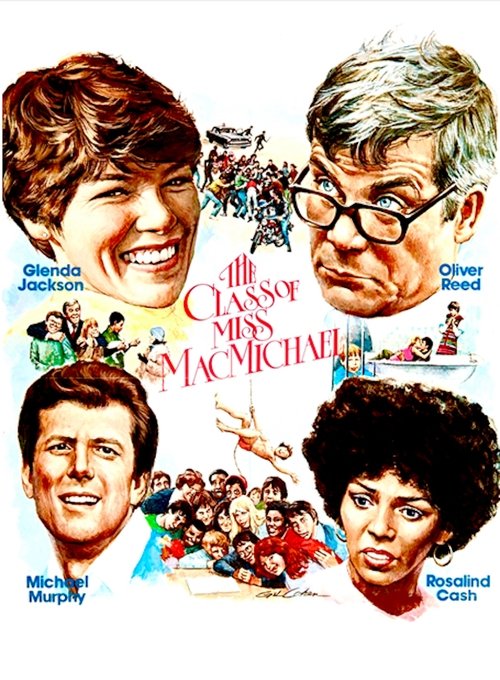
The Class Of Miss MacMichael
1978
No user ratings available yet
Diversity score: 4.2 out of 10

1935
Director
Marcel Pagnol
Runtime
72 minutes
Average Rating
No ratings yetSynopsis
"Merlusse" is French schoolboy slang for codfish, and M. Blanchard, a professor at a certain lycée, was known to his victims by that name. On Christmas Eve, when some twenty of the students—orphans, foreigners or just plain "unwanteds"—had to remain in the boarding school, Merlusse is placed in charge. His glass eye glares at them stonily, his good one with no less severity. He sets them to tasks, marches like a proctor up and down the aisles, exacts to the utmost the last measure of discipline. But when the youngsters awake in the morning, there are toys by each bed in the dormitory and M. Blanchard, no longer to be called Merlusse, is exposed for the softhearted fraud he is.
Overall Score
Limited
Category Breakdown
LGBTQ+ Representation
The film adheres to the heteronormative social structures of 1930s France. There is no evidence of non-cisnormative identities or same-sex intimacy within the narrative.
Gender Representation
The story explores domestic power dynamics and emotional labor through female perspectives. However, it does not subvert traditional gender hierarchies or the masculine roles of the era.
Racial & Ethnic Diversity
The cast is predominantly homogeneous, reflecting the era's demographic realities. While foreigners are mentioned among the students, they are framed through a lens of 'otherness.'
Religious & Cultural Diversity
The film serves as a character study of Mediterranean social mores. It operates within established French social fabrics without deconstructing Western institutions like the family.
Disability Representation
M. Blanchard is depicted with a glass eye, used primarily as a tool to emphasize his perceived severity. This leans toward character tropes rather than nuanced representation.
Strengths
Areas for Improvement
AI Analysis
Merlusse is a localized character study rooted in the social and gendered frameworks of 1930s France. It functions as a humanistic melodrama rather than a work designed to challenge systemic norms or identity politics. The film's representation is largely a product of its historical context. While it provides a baseline for class-based representation through its focus on marginalized 'unwanted' students, it lacks intentional intersectional depth. Ultimately, the narrative relies on traditional tropes, particularly regarding physical disability and the positioning of foreign characters, prioritizing period-accurate realism over progressive social subversion.
1978

2023

2016

1933
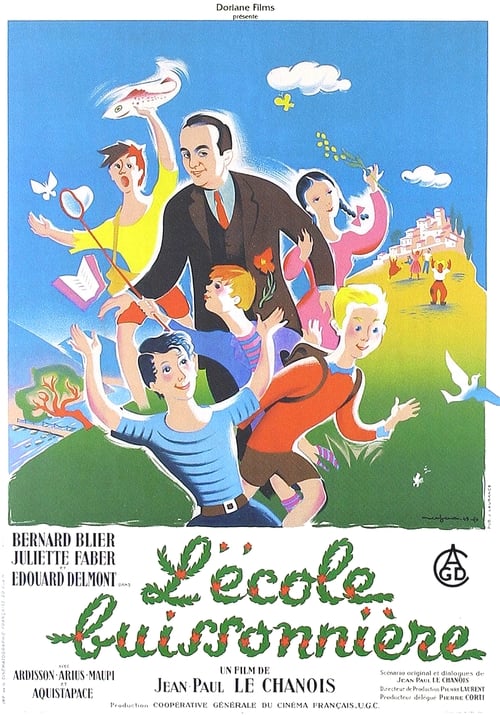
1949

1993

2017

2012

1982

2015

1957
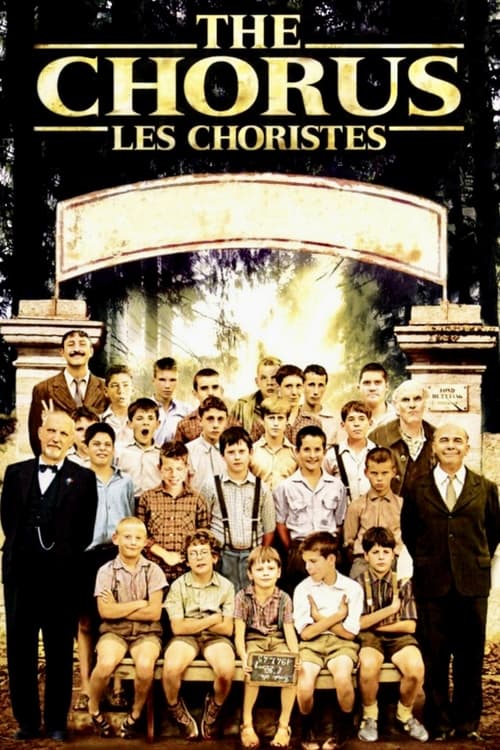
2004
No reviews yet. Be the first to share your thoughts on this movie!
Use the rating form above to leave a star rating and optional review.