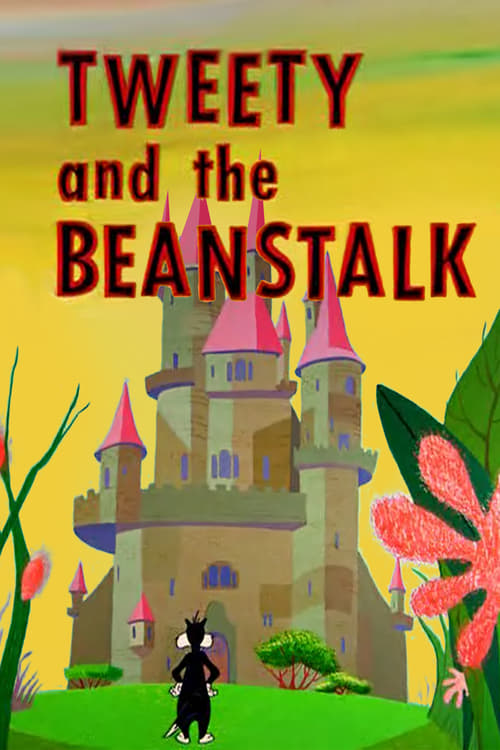
Tweety and the Beanstalk
1957
No user ratings available yet
Diversity score: 1.7 out of 10

1943
NRDirector
Friz Freleng
Runtime
7 minutes
Average Rating
No ratings yetSynopsis
Bugs fights the legendary giant. In the historical context of World War II much fun is made of the giant's claimed superiority over the more clever and fun-loving rabbit.
Overall Score
Limited
Category Breakdown
LGBTQ+ Representation
The film lacks any depiction of non-heteronormative identities or same-sex intimacy. It adheres to the heteronormative standards typical of 1943 family animation.
Gender Representation
The narrative centers on a male-coded protagonist, Bugs Bunny, facing a giant. There is no evidence of female characters with agency or the subversion of gender hierarchies.
Racial & Ethnic Diversity
This adaptation of a Western folk tale lacks a diverse cast. There is no indication of non-Anglo-Saxon representation or the use of species as ethnic metaphors.
Religious & Cultural Diversity
The story utilizes a traditional Western fairy tale framework. It reinforces conventional morality and standard mid-century American entertainment tropes without secularist or anti-Western themes.
Disability Representation
No specific evidence exists regarding the portrayal of visible or invisible disabilities. While Bugs Bunny has non-standard physical traits, they do not serve as a central narrative arc.
Strengths
Areas for Improvement
AI Analysis
This 1943 short is a product of its era, prioritizing traditional comedic structures and established Western folklore. The narrative focuses on a singular hero-versus-antagonist dynamic that offers little room for intersectional identity. The production relies on mid-century American entertainment tropes, which largely reinforce existing social hierarchies rather than challenging them. The lack of diverse casting or complex character identities reflects the period's standard animation practices. Ultimately, the film functions as a localized adaptation of a classic tale, providing minimal disruption to historical social norms through its characterization and storytelling.
1957
1948
1952
1955
1948
1953
1949
1949
1951
1935
1944
1961
No reviews yet. Be the first to share your thoughts on this movie!
Use the rating form above to leave a star rating and optional review.