Abusement Park
1947
No user ratings available yet
Representation score: 0.7 out of 10
Representation Score
Minimal
1944
PassedDirector
Izzy Sparber
Runtime
7 minutes
Average Rating
No ratings yetNew Showbiz Analysis
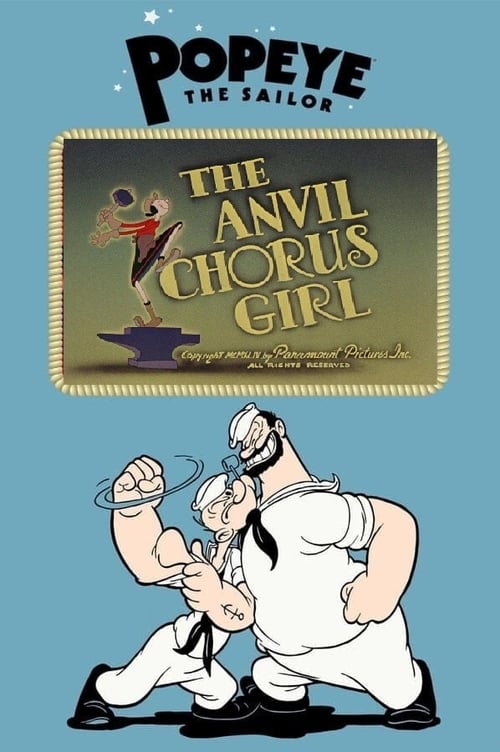
The Anvil Chorus Girl is a product of mid-century animation clichés, prioritizing conventional romantic competition over social subversion. The plot relies on established hierarchies, where female characters act as prizes for male displays of strength. While Olive holds a professional role as a blacksmith, her role ultimately serves as a catalyst for male rivalry, reinforcing traditional gendered frameworks rather than challenging them. Overall, the film lacks meaningful diversity, adhering to the homogeneous casting and narrow focus on straight relationships prevalent in 1944. It offers little disruption to the social norms of its era.
Category Breakdown
The story focuses on a traditional romantic rivalry between Popeye and Bluto for Olive's affection. There are no queer subtexts or non-traditional gender identities in the narrative.
Olive works as a blacksmith, yet her role mainly serves as a catalyst for male competition. The plot emphasizes traditional masculine traits through displays of physical strength.
The character lineup reflects the homogeneous casting norms typical of 1940s American animation. There is no evidence of diverse ethnic or racial representation.
The film operates within a framework of Western industriousness and traditional courtship. It celebrates standard vocational roles without questioning social institutions.
The narrative contains no mention of characters with visible or invisible disabilities.
Present on Screen
Limited or Absent
Official Synopsis
Popeye and Bluto pass by Olive's blacksmith shop and are smitten. Olive needs help, and of course both of the boys offer, and demonstrate their prowess at blacksmithing.
1947
1954
1934

1944
1954

1949
1956
1937
No reviews yet. Be the first to share your thoughts on this movie!
Use the rating form above to leave a star rating and optional review.