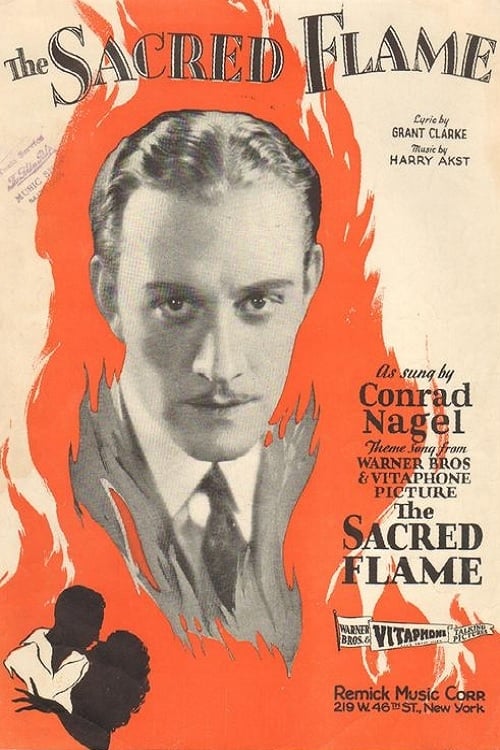
The Sacred Flame
1929
No user ratings available yet
Representation score: 2.7 out of 10

Representation Score
Limited
1935
ApprovedDirector
Edmond T. Gréville
Runtime
75 minutes
Average Rating
No ratings yetNew Showbiz Analysis
Whirlpool is a period drama deeply rooted in the social and cinematic hierarchies of the 1930s. The narrative focuses on the breakdown of a traditional marriage following a tragic accident, prioritizing conventional moral consequences over progressive themes. While the film offers a focused look at the intersection of physical disability and interpersonal dynamics, it remains constrained by the era's clichés. The storytelling emphasizes traditionalist mourning and the weight of marital responsibility. Ultimately, the film lacks diversity in casting and identity, reflecting the homogeneous production standards of its time.
Category Breakdown
The film centers on a marriage that assumes everyone is straight or cisgender. There is no evidence of queer subtext or non-cisgender identities within the narrative.
Jeannie Saint Clair navigates her husband's disability and pursues an affair, demonstrating a significant role in driving the story. However, the story remains tied to traditional clichés of infidelity and domestic tragedy.
The cast and setting reflect the homogeneous social structures of 1935. There is no significant non-Anglo-Saxon representation visible.
The plot focuses on individual moral dilemmas and marital fidelity. It adheres to standard dramatic conventions regarding social stability rather than critiquing Western institutions.
Henry Saint Clair’s paralysis is central to the plot. The film explores how physical impairment impacts intimacy and psychological well-being, though it leans into the tragic victim cliché.
Present on Screen
Limited or Absent
Official Synopsis
The happiness of a newly-married couple, Henry and Jeannie Saint Clair, is shattered when the husband is made a paralytic in an automobile accident. The wife still loves him, although he is incapable of any physical love. She is slowly drawn into a short-lived affair with a handsome athlete, Robert Vanier. When the husband learns of the affair, he commits suicide. But the wife cannot forget him and she sends her lover away.
1929
1952
1946
1935

1933

1938

1932

1953
No reviews yet. Be the first to share your thoughts on this movie!
Use the rating form above to leave a star rating and optional review.