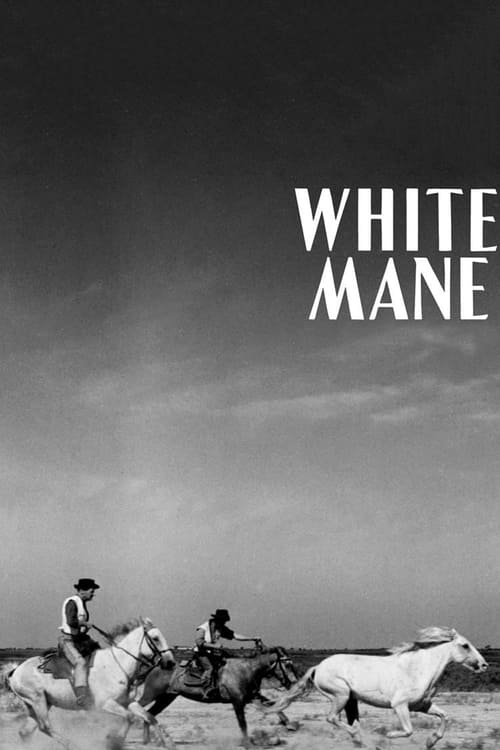
White Mane
1953
No user ratings available yet
Representation score: 0.9 out of 10
Representation Score
Minimal
1951
Director
Albert Lamorisse
Runtime
45 minutes
Average Rating
No ratings yetNew Showbiz Analysis
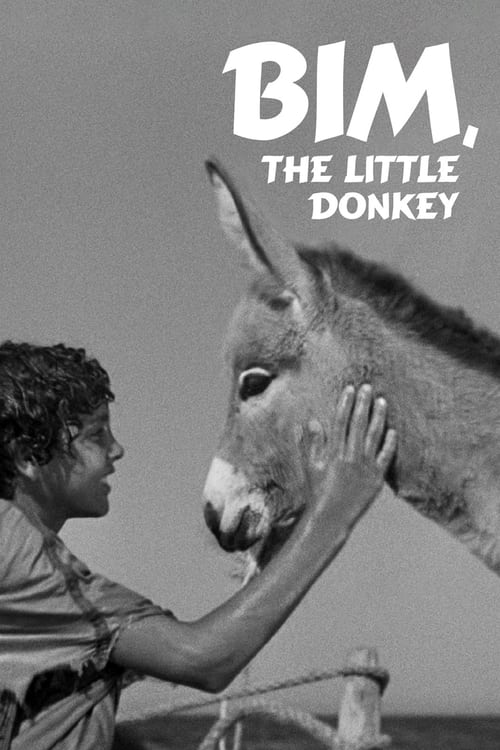
Bim, the Little Donkey is a mid-century fable that prioritizes universal themes of companionship over complex identity exploration. While it includes an Arab protagonist, the story remains anchored in the storytelling conventions of its time. The film fails to represent LGBTQ+ identities or disabilities, and it focuses almost entirely on male characters, limiting gender diversity. It serves as a straightforward moral tale rather than a vehicle for social critique. Ultimately, the film reflects the historical context of 1951, emphasizing a stable, traditional social order over the disruption of established hierarchies or the exploration of diverse identities.
Category Breakdown
The film does not depict any non-straight relationships or gender identities. The character interactions focus solely on childhood friendships and social rankings.
The story centers almost entirely on male characters. It lacks significant female characters and does not challenge traditional masculine roles or gender hierarchies.
The film includes an Arab protagonist named Abdullah, offering ethnic specificity. However, the narrative operates as a traditional fable without addressing systemic racial issues.
The narrative highlights empathy and redemption within a traditional moral framework. It upholds conventional social stability rather than criticizing Western institutions or religious structures.
The film does not portray any visible or invisible disabilities. Characters are shown through a lens of typical physical ability without addressing neurodivergence.
Present on Screen
Limited or Absent
Official Synopsis
An Arab boy, Abdullah, loves his donkey, Bim, but another boy, Massoud, who also happens to be a prince, is jealous of Abdullah and his relationship with Bim, so Massoud steals the donkey and plays mean tricks on him, such as painting him and trying to cut his ears off. Abdullah tries to rescue Bim but is caught by palace guards and is imprisoned. Realizing Abdullah's love for his donkey, Massoud becomes ashamed of his meanness and frees Bim and Abdullah. However, the donkey eats Massoud's father's lunch and is taken to a butcher. Abdullah and Massoud try to rescue Bim from the butcher, but robbers get there first and steal the donkey along with the butcher's goods. The robbers escape to the sea, and Abdullah and Massoud stage one last rescue attempt with all of their friends to try to save Bim.
1953
1937
1969
1946
2006
1986
1960
1943
No reviews yet. Be the first to share your thoughts on this movie!
Use the rating form above to leave a star rating and optional review.