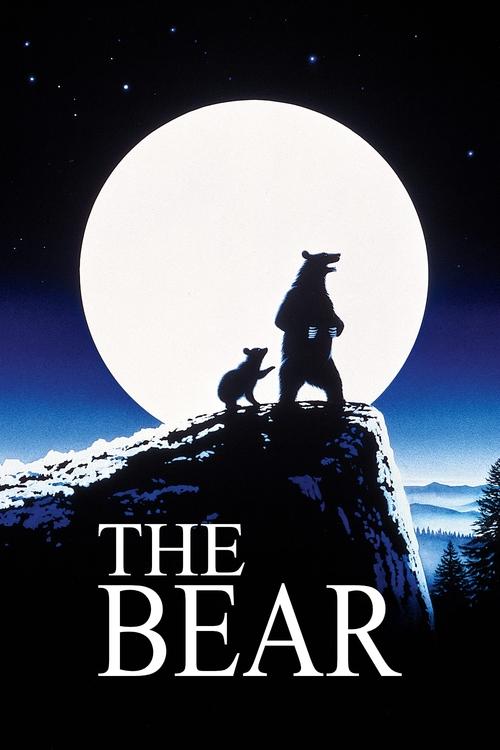
The Bear
1988
No user ratings available yet
Representation score: 0.7 out of 10
Representation Score
Minimal
1986
GDirector
Masanori Hata
Runtime
75 minutes
Average Rating
No ratings yetNew Showbiz Analysis
The film operates as a non-verbal, nature-centric journey centered on animal protagonists. Since it avoids human social structures, traditional measures of identity politics and social hierarchy are largely irrelevant. While it steers clear of harmful stereotypes, it lacks the intentionality needed to challenge or critique conventional social norms. Its narrative structure revolves around the biological imperative of survival and reunion, positioning it as a neutral observer of the natural world rather than a tool for social commentary.
Category Breakdown
Since the film features no human characters or dialogue, it cannot depict LGBTQ+ identities or orientations. The story focuses on the relationship between a cat and a dog.
The film does not show traditional masculinity or femininity. As the main characters are animals, it avoids depicting human gendered power structures and domestic roles.
Set in rural Japan, the film has no human cast and therefore does not explore racial identity, ethnic blending, or the presence of minority groups.
The narrative presents a neutral, survival-focused reality without critiquing systemic power. It avoids religious or political institutions, focusing instead on a secular, biological interconnectedness.
The physical dangers faced by the animals are presented as natural environmental hazards. There is no depiction of neurodivergence or permanent disability in the narrative.
Present on Screen
Limited or Absent
Official Synopsis
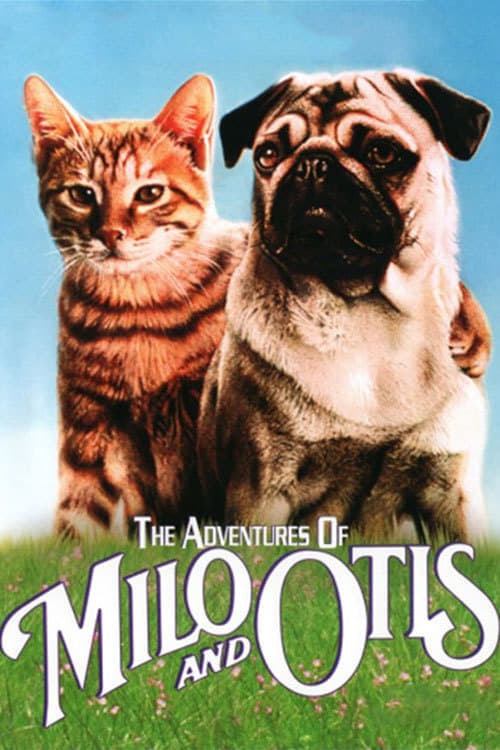
When Milo the cat and Otis the dog are separated, they each set off on an adventurous and often perilous quest across mountains, plains, and snow-covered lands to reunite with one another.
1988
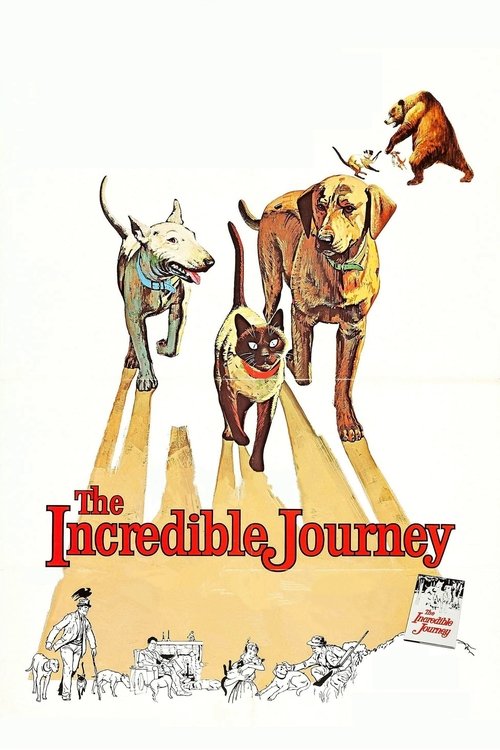
1963

2003

1995
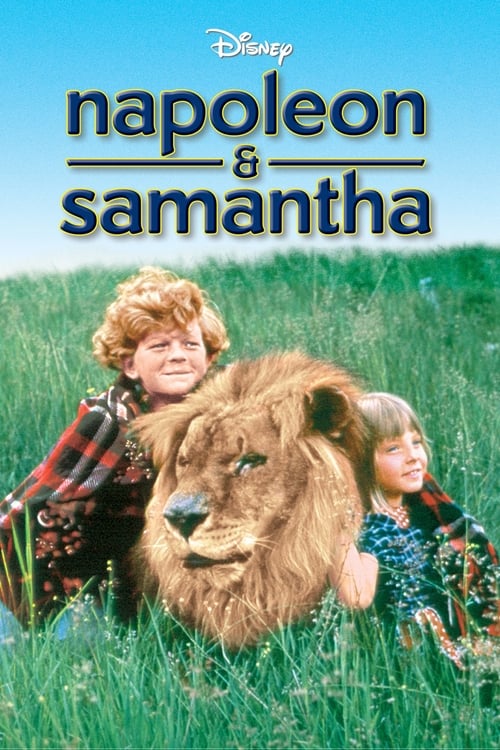
1972

1943

2020
2005
No reviews yet. Be the first to share your thoughts on this movie!
Use the rating form above to leave a star rating and optional review.