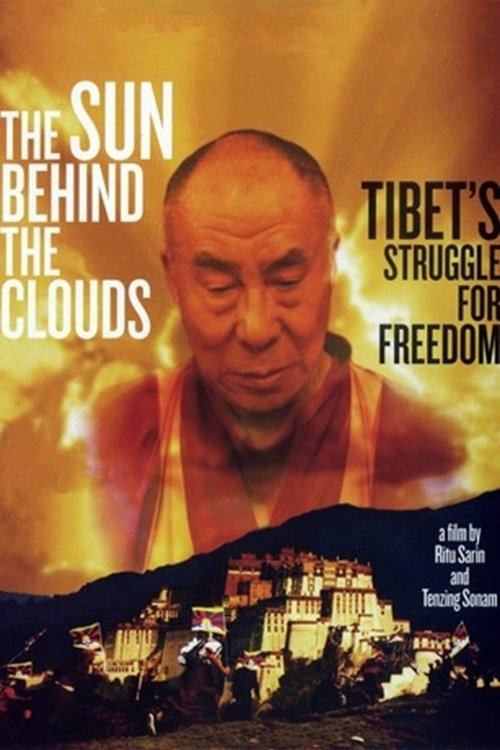
The Sun Behind the Clouds: Tibet's Struggle for Freedom
2010
No user ratings available yet
Representation score: 6.4 out of 10

Representation Score
Good
2008
GDirector
Carl Cimini
Runtime
93 minutes
Average Rating
No ratings yetNew Showbiz Analysis
Dancing in Amdo serves as a vital ethnographic study that prioritizes underrepresented voices during a period of intense geopolitical scrutiny. By centering the Tibetan experience, the film provides a platform for subjects to articulate their own cultural and religious complexities. The documentary excels at disrupting mainstream, homogeneous news coverage. It grants high ability to act to Tibetan residents, monks, and officials, allowing them to define their own reality amidst systemic pressures. While the film is strong in ethnic and cultural representation, it lacks specific focus on LGBTQ+ identities or explicit explorations of gendered power dynamics.
Category Breakdown
The film focuses on ethnic identity and geopolitical tensions rather than LGBTQ+ narratives. There is no explicit representation of queer identities or character arcs within the documentary.
The documentary provides a platform for various voices, including ordinary citizens and officials. However, it does not explicitly address gender hierarchies or non-traditional power dynamics.
The film centers Tibetan ethnic identity, providing ability to act to residents and monks. This approach disrupts dominant Sinocentric narratives by focusing on the preservation of Tibetan culture.
The narrative prioritizes non-Western spiritual frameworks by examining the challenges of practicing Buddhism. It explores the complexities of cultural survival against dominant state powers.
There is no evidence of physical or neurodivergent disability representation in the film's subject matter or overview.
Present on Screen
Limited or Absent
Official Synopsis
The 2008 Olympic Games in Beijing provide the springboard for this reexamination of the ongoing China-Tibet conundrum, with leaders on both sides outlining the obstacles to harmony and the precarious state of Tibetan culture. In interviews with Tibetan residents, monks and officials in exile, both ordinary citizens and the ordained discuss the challenges of being practicing Buddhists, while scholar Melvyn Goldstein provides historical perspective.
2010

2025
2009
1989
2002
2006
2005
2010
No reviews yet. Be the first to share your thoughts on this movie!
Use the rating form above to leave a star rating and optional review.