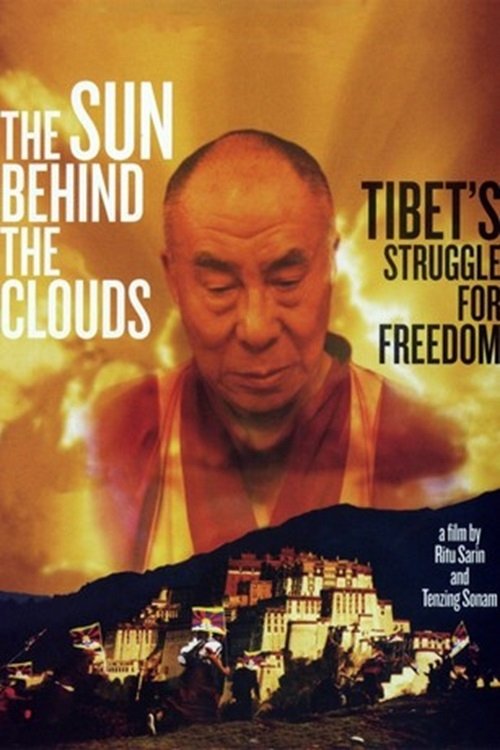
The Sun Behind the Clouds: Tibet's Struggle for Freedom
2010
No user ratings available yet
Representation score: 6.4 out of 10
Representation Score
Excellent
2009
Director
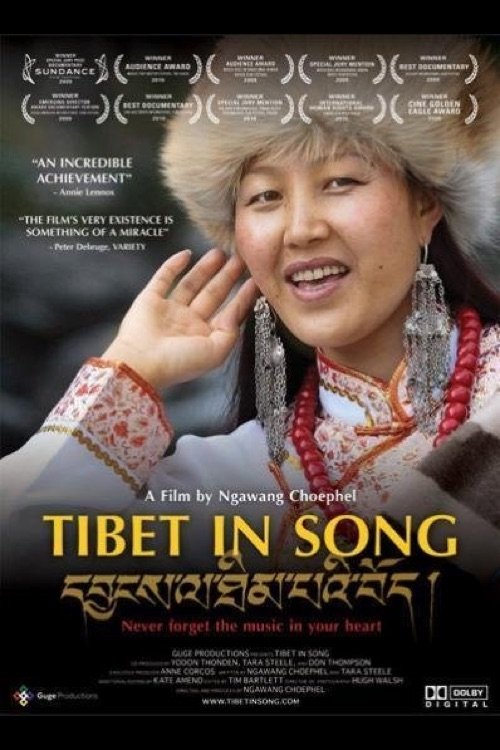
Ngawang Choephel
Runtime
86 minutes
Average Rating
No ratings yetNew Showbiz Analysis
Tibet in Song is a crucial document of cultural preservation that prioritizes the ability to act of a underrepresented ethnic group. Through music, the film breaks down monolithic representations and offers a nuanced view of survival through art. The documentary challenges the dominance of Western historical perspectives, emphasizing indigenous voices and cultural preservation. It uses traditional forms of expression to explore the complexities of identity and political pressures. While the film excels in ethnic and cultural representation, it lacks specific details about gender dynamics or LGBTQ+ narratives. The focus remains on broader communal struggles rather than individual identity politics.
Category Breakdown
The film does not include any explicit LGBTQ+ characters or narratives. The score reflects a neutral stance on LGBTQ+ issues.
The documentary focuses on the Tibetan community as a whole. It is unclear whether the film challenges traditional gender roles or highlights women specifically.
The film centers on a non-Western population, giving a significant role in driving the story to an ethnic group often sidelined in mainstream media. It successfully counters Western-dominated documentary themes.
Using music to highlight the tension between local traditions and external political forces, the film portrays tradition as a site of resistance. It emphasizes lived experiences over standardized historical accounts.
There is no documented evidence of the portrayal of physical or neurodivergent disabilities in this work.
Present on Screen
Limited or Absent
Official Synopsis
A look at the life and struggles of the Tibetan people and their culture told through music.
2010
2004
1989
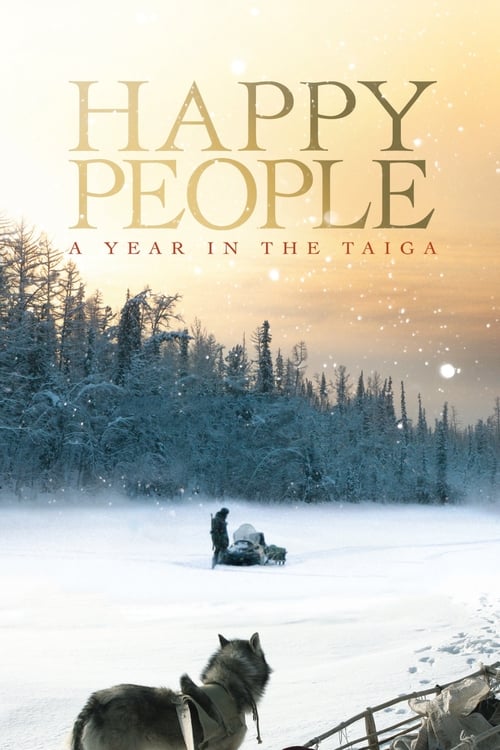
2010
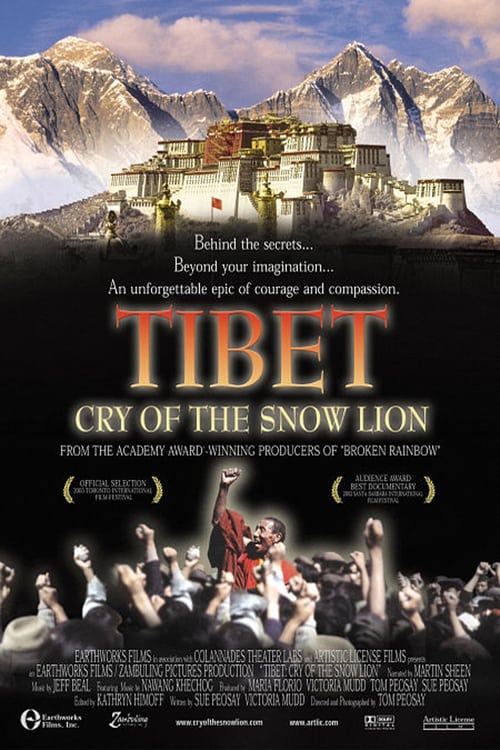
2002
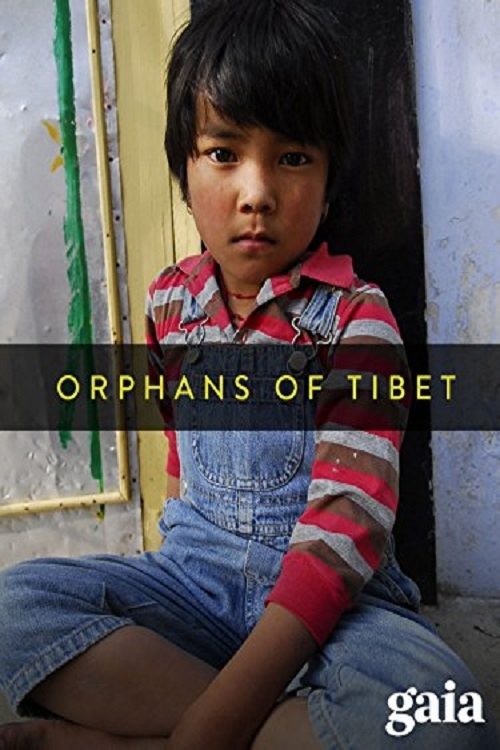
2010
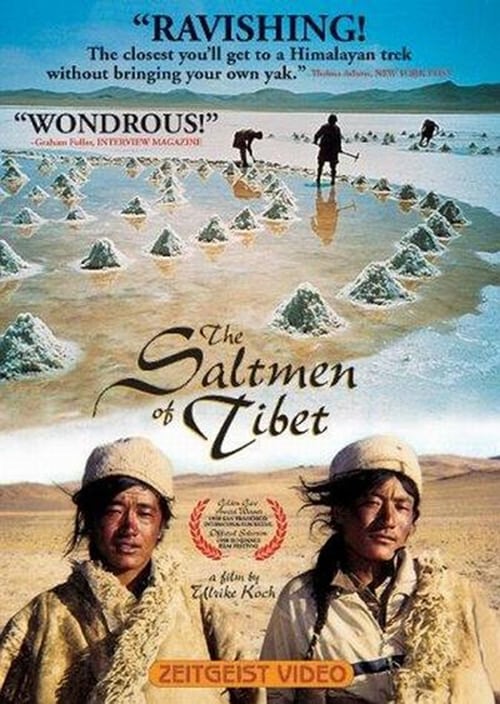
1997
2017
No reviews yet. Be the first to share your thoughts on this movie!
Use the rating form above to leave a star rating and optional review.