Westbound
1959
No user ratings available yet
Representation score: 1.5 out of 10
Representation Score
Minimal
1929
PassedDirector
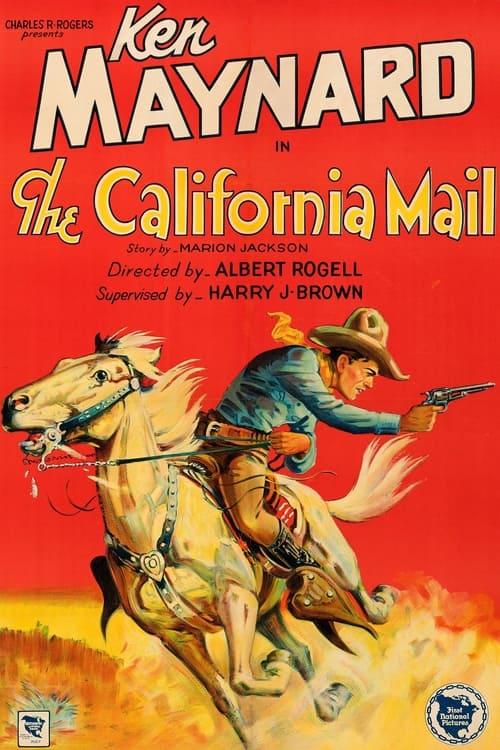
Albert S. Rogell
Runtime
60 minutes
Average Rating
No ratings yetNew Showbiz Analysis
The California Mail is a standard genre piece that operates within the established cinematic norms of the late 1920s. It prioritizes traditional Western institutions and masculine control over social disruption. The film's structure reinforces the status quo of its era, focusing on a male protagonist driving the plot through physical authority. It lacks the intentionality required to challenge conventional cultural or social expectations. Ultimately, the film serves as a period-typical Western that emphasizes national stability and federal law during the American Civil War.
Category Breakdown
The film follows the straight-centered social structures typical of 1929 cinema. There are no visible LGBTQ+ characters or narratives present.
Control over the plot is primarily held by the male lead, Federal Agent Bob Scott. This reinforces a traditional masculine leadership model common in Westerns.
The narrative centers on a binary conflict between federal agents and bandit gangs. It lacks non-white protagonists or diverse casting.
The story upholds traditional patriotic frameworks and institutional stability. It emphasizes the preservation of the Union and federal law.
There is no mention of characters with visible or invisible disabilities in the narrative.
Present on Screen
Limited or Absent
Official Synopsis
During the darkest hour of the American Civil War, the Union desperately needs gold to keep its armies in the field and its credit good. Federal Agent Bob Scott is therefore instructed to clean out the bandit gangs that have been stopping the vital California gold shipments.
1959

1939
1927
1939
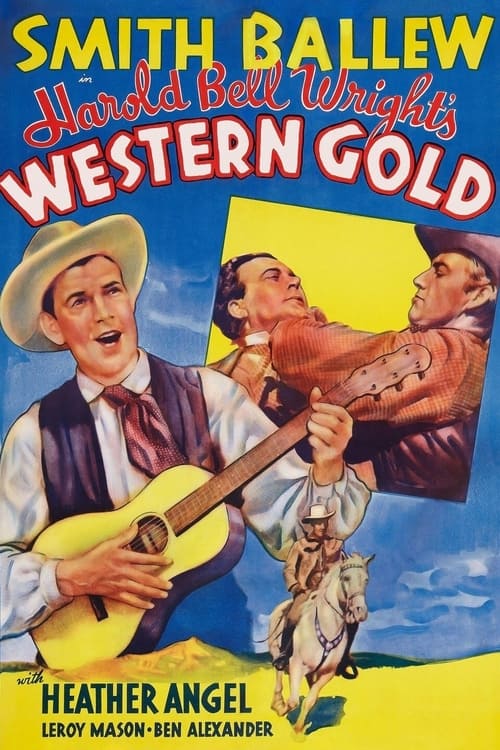
1937
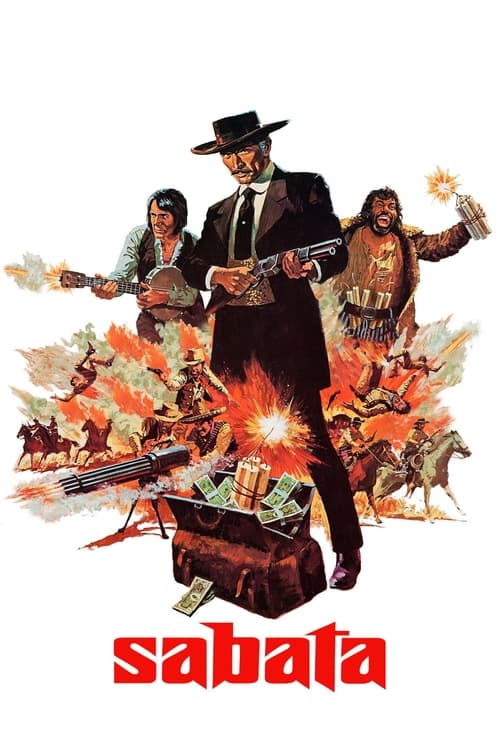
1969
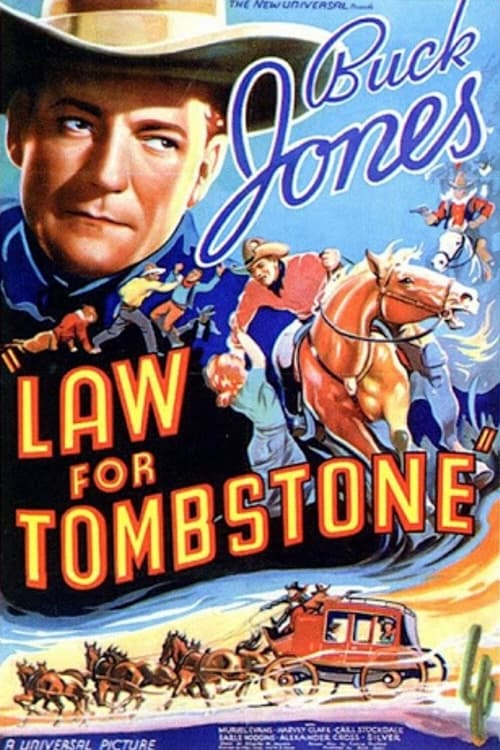
1937
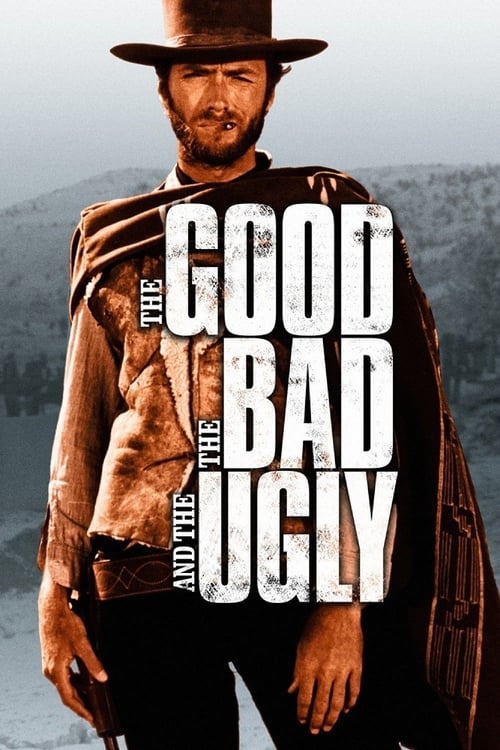
1966
No reviews yet. Be the first to share your thoughts on this movie!
Use the rating form above to leave a star rating and optional review.