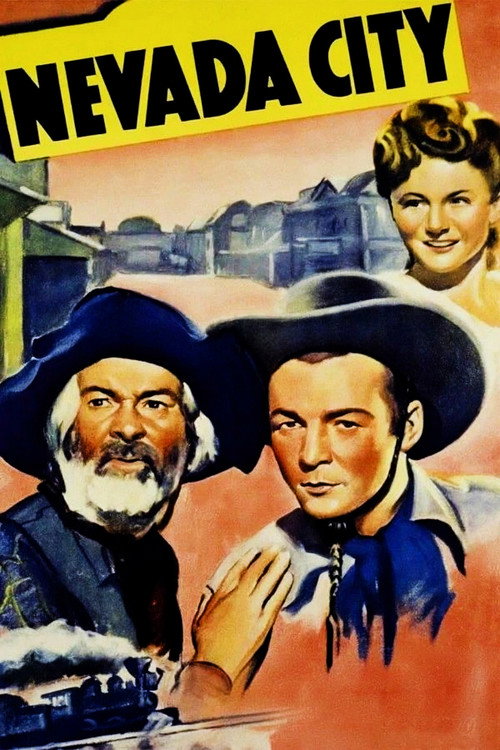
Nevada City
1941
No user ratings available yet
Diversity score: 2.2 out of 10
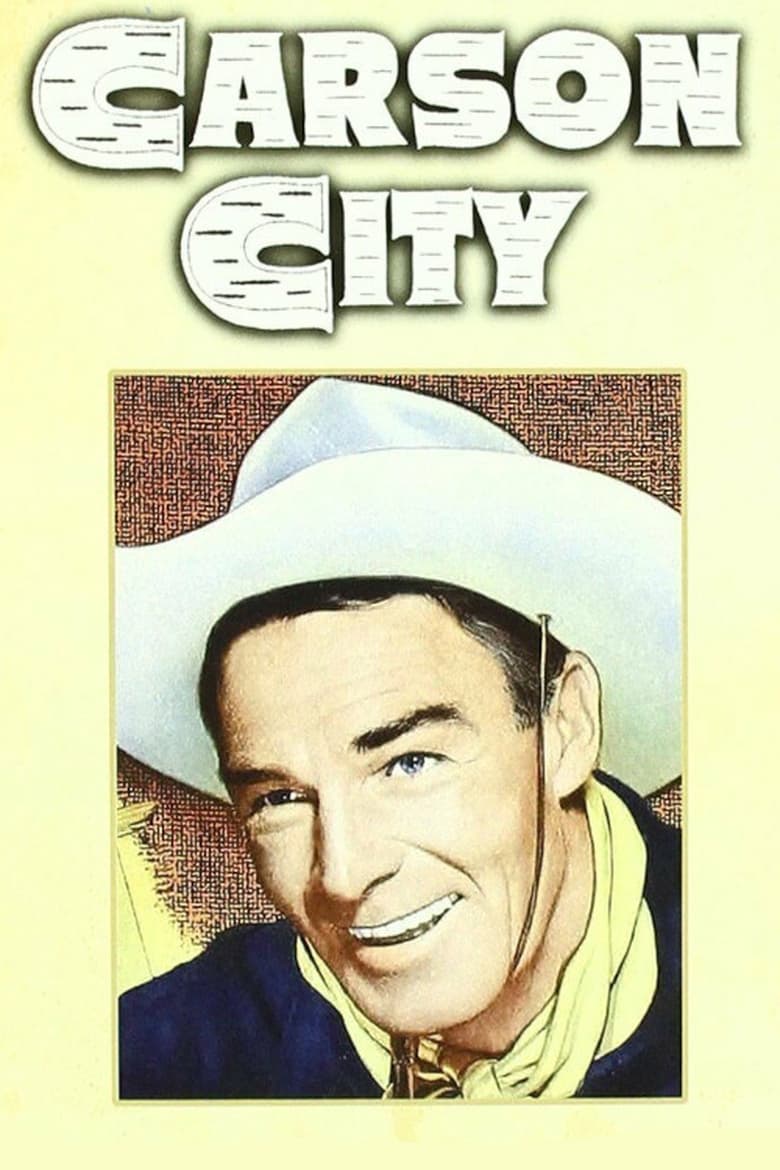
1952
NRDirector
André de Toth
Runtime
87 minutes
Average Rating
No ratings yetSynopsis
Mine owner William Sharon keeps having his gold shipments held up by a gang of bandits. Sharon hires banker Charles Crocker, who happens to have connections in the Central Pacific Railroad, to build a spur line from Virginia City to Carson City, so that the gold can be shipped by railroad. Silent Jeff Kincaid is the railroad engineer. However there is opposition to the railroad, chiefly from another mine owner, Big Jack Davis.
Overall Score
Limited
Category Breakdown
LGBTQ+ Representation
The film operates within conventional 1950s social frameworks. There is no indication of non-heteronormative identities or same-sex intimacy within the narrative.
Gender Representation
The plot is driven by male figures occupying roles of economic and physical authority. The story reinforces traditional gender hierarchies through masculine pursuits of wealth and industry.
Racial & Ethnic Diversity
The narrative focuses on Anglo-centric industrial interests like gold mining and railroads. It lacks mention of diverse casting or non-white perspectives in high-agency roles.
Religious & Cultural Diversity
The film explores themes of capitalism and industrial expansion. It frames these through the lens of Western progress rather than critiquing systemic corruption or oppression.
Disability Representation
There is no evidence regarding the inclusion or portrayal of characters with physical or neurodivergent disabilities.
Strengths
Areas for Improvement
AI Analysis
Carson City is a traditional Western that prioritizes mid-century genre tropes. The narrative architecture centers on industrial expansion, resource competition, and the establishment of railroad infrastructure. The film follows a classic conflict model between economic progress and local opposition. This focus on territorial control and wealth acquisition results in a homogeneous depiction of power. Ultimately, the work lacks intersectional representation. It adheres to established social hierarchies and the rugged individualism typical of the era's Western storytelling.
1941
1942
1945
1929
1953
1951
1929
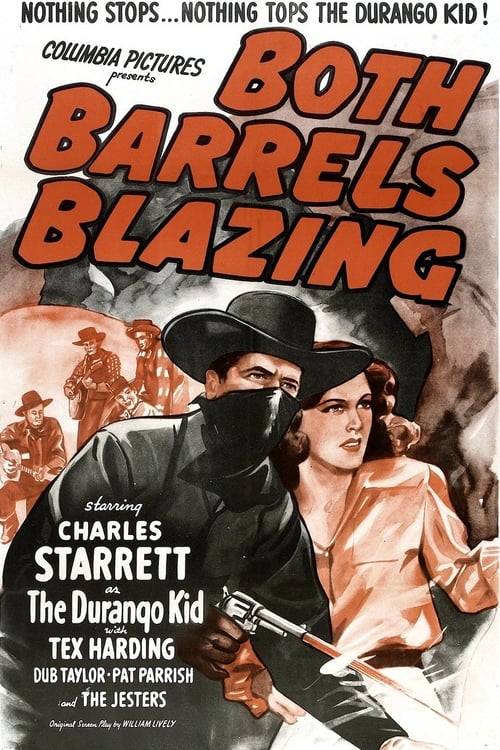
1945
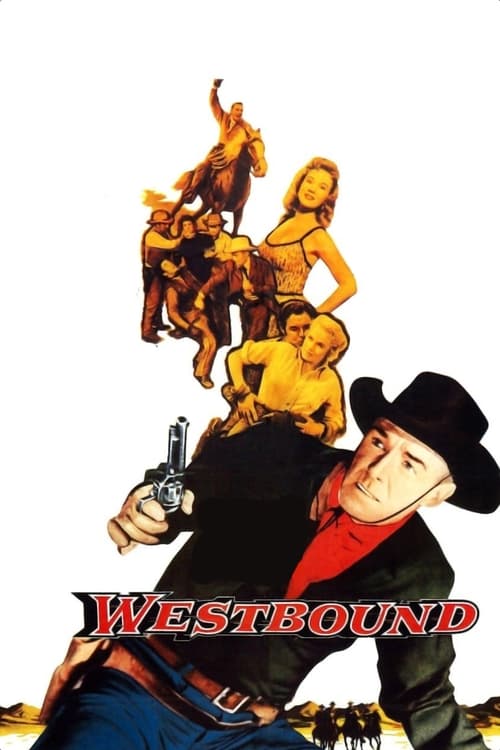
1959
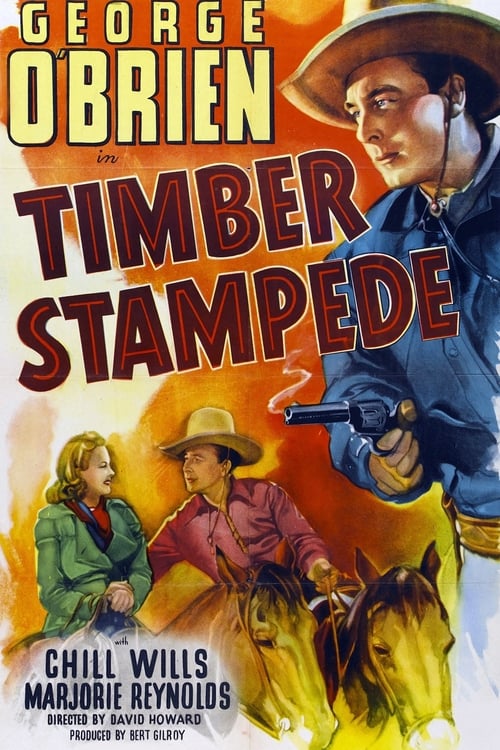
1939
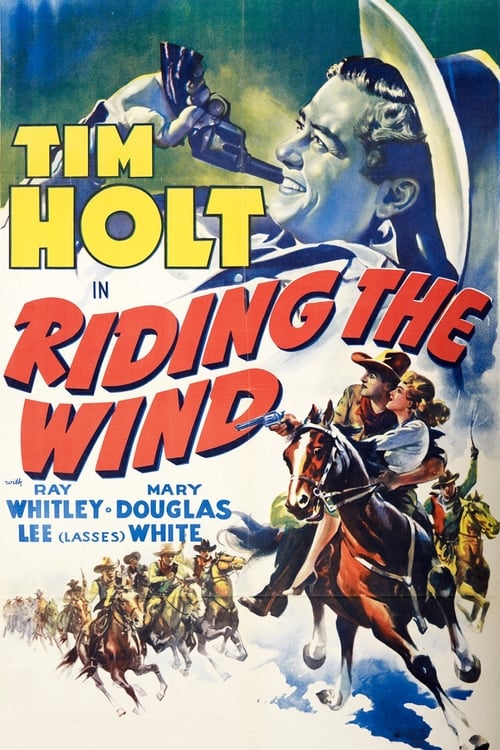
1942
1954
No reviews yet. Be the first to share your thoughts on this movie!
Use the rating form above to leave a star rating and optional review.