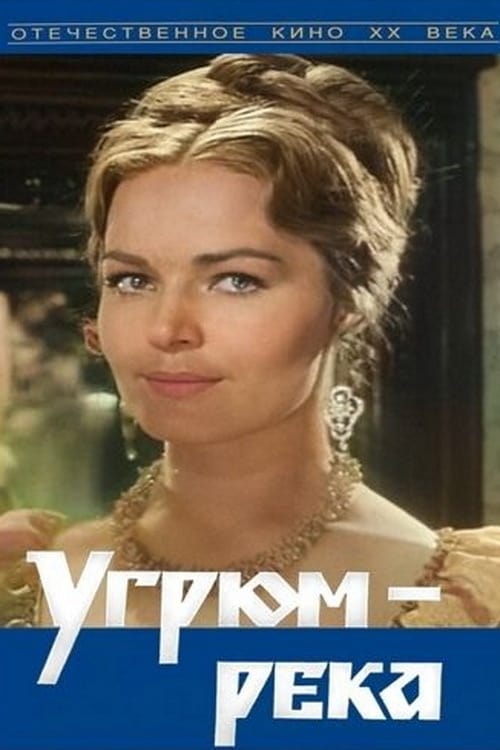
Ugryum-River
1969
No user ratings available yet
Representation score: 4.1 out of 10
Representation Score
Limited
2003
Director
Tapio Suominen
Runtime
136 minutes
Average Rating
No ratings yetNew Showbiz Analysis
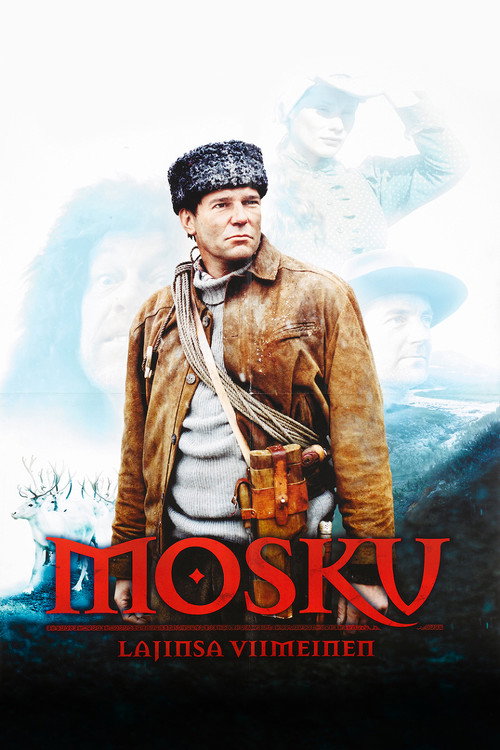
Mosku: The Last of His Kind is a regional historical drama that captures the cultural shifts in early 20th-century Lapland. It effectively highlights the tensions between traditional ways of life and political boundaries. However, the film adheres to conventional storytelling structures. It lacks representation of diverse identities or the subversion of traditional gender roles, sticking to established historical archetypes. While the setting provides a basis for ethnic storytelling, the narrative does not offer a broader critique of institutional power or diverse social representation.
Category Breakdown
The film does not include any LGBTQ+ characters or narratives that question the assumption that everyone is straight or cisgender. The story centers on historical conflicts involving reindeer and border guards.
The story seems focused on traditionally masculine figures involved in leadership and conflict. There is no indication of women playing a significant role in driving the story or challenging gender hierarchies of the time.
The setting offers potential for representing different ethnic groups through the lens of traditional Lapland livelihoods. Tensions between local inhabitants and Soviet forces highlight cultural friction.
The plot explores the tension between local customs and state authority. It functions as a traditional historical drama without a broader critique of institutional power.
There is no information about the portrayal of physical or neurodivergent disabilities. The film's focus remains on historical and political changes.
Present on Screen
Limited or Absent
Official Synopsis
A story about the life of reindeer emperor Mosku in Eastern Lapland at the beginning of the 20th century, when social conditions and the practice of traditional livelihoods are in transition. Mosku is involved in reindeer disputes and skirmishes and is also involved in the bandit hunt on the side of Soviet Russia led by Wallenius, the commander of the Lapland border guard.
1969
2015
1934
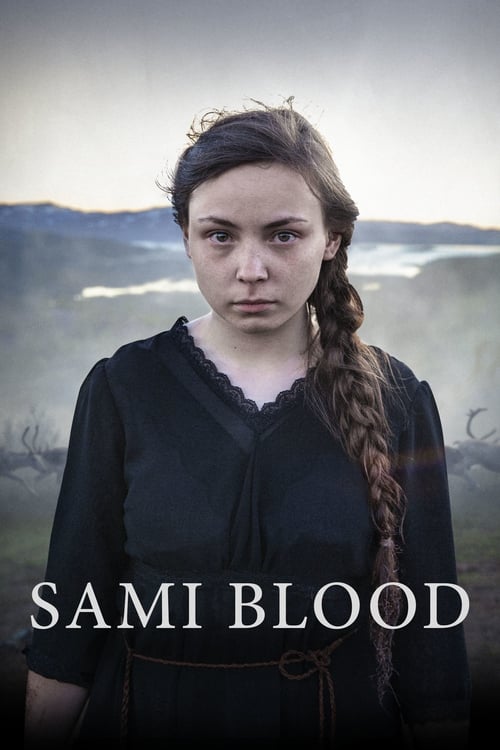
2017
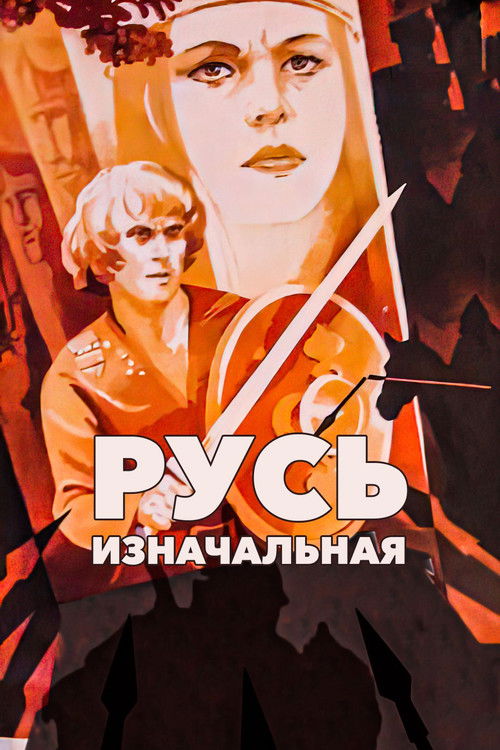
1986
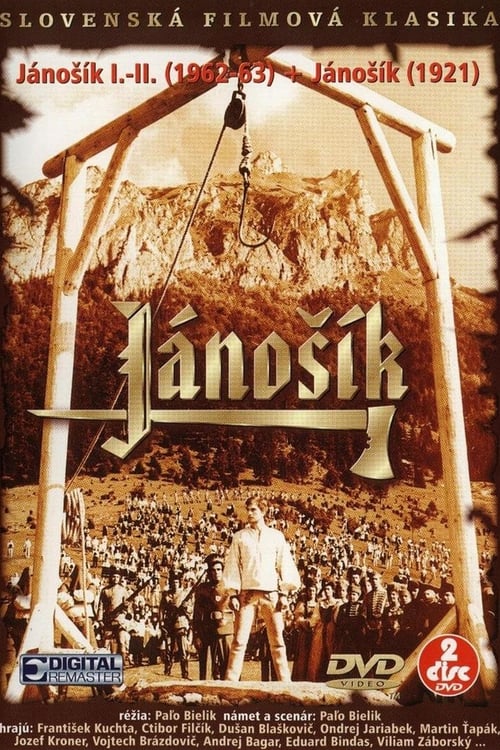
1963
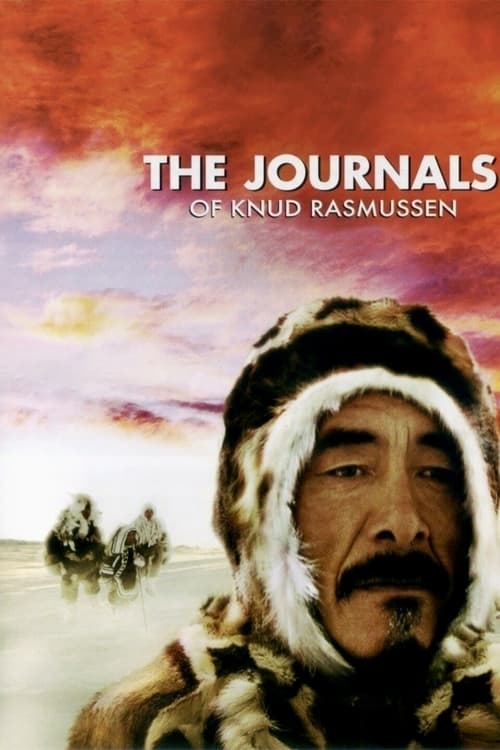
2006
1939
No reviews yet. Be the first to share your thoughts on this movie!
Use the rating form above to leave a star rating and optional review.