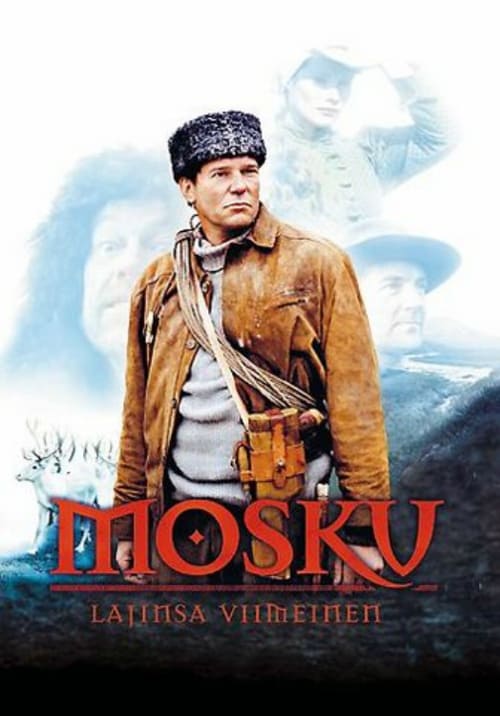
Mosku: The Last of His Kind
2003
No user ratings available yet
Diversity score: 3.8 out of 10
2006
Director
Norman Cohn, Zacharias Kunuk
Runtime
112 minutes
Average Rating
No ratings yetSynopsis
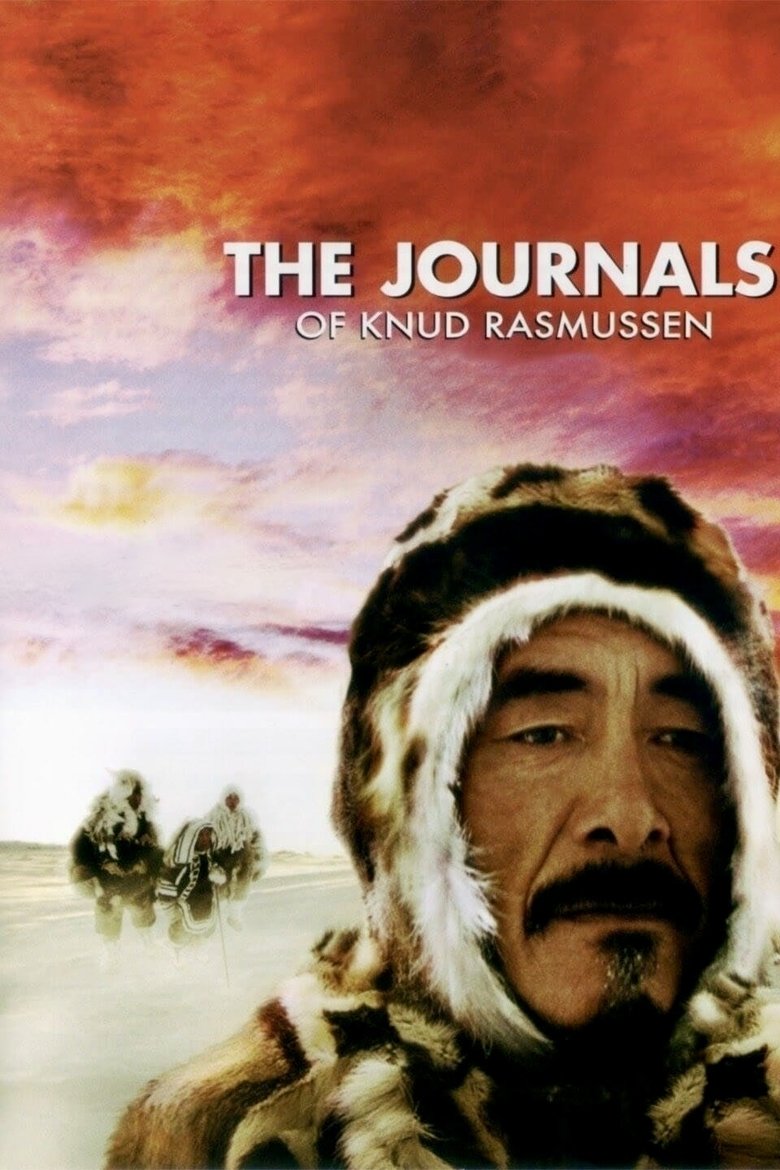
Based on the journal of Knud Rasmussen's "Great Sled Journey" of 1922 across arctic Canada. The film is shot from the perspective of the Inuit, showing their traditional beliefs and lifestyle. It tells the story of the last great Inuit shaman and his beautiful and headstrong daughter; the shaman must decide whether to accept the Christian religion that is converting the Inuit across Greenland.
Overall Score
Good
Category Breakdown
LGBTQ+ Representation
The film focuses on the intersection of colonial history and Indigenous spirituality. There is no evidence of LGBTQ+ characters or non-heteronormative narratives.
Gender Representation
A headstrong female protagonist disrupts the trope of the passive Indigenous woman. Her agency provides a nuanced look at gendered roles within Inuit society.
Racial & Ethnic Diversity
The narrative re-centers the Inuit experience by utilizing an Indigenous lens. The predominantly Inuit cast functions as a cinematic reclamation of history.
Religious & Cultural Diversity
The film critiques the imposition of Christian morality on Indigenous belief systems. It explores the tension between shamanistic spirituality and encroaching colonial religious structures.
Disability Representation
The film depicts the harsh physical realities of Arctic life. However, there is no evidence of intentional representation of neurodivergence or physical disabilities.
Strengths
Areas for Improvement
AI Analysis
The film serves as a powerful act of narrative reclamation, successfully shifting the cinematic perspective from the colonizer to the colonized. By centering Inuit agency, it disrupts traditional Western explorer tropes and challenges historical hierarchies. Its strength lies in a sophisticated post-colonial framework that critiques the systemic imposition of Western religious and social norms. The creative leadership ensures a narrative architecture that prioritizes Indigenous perspectives over colonial tropes. While the film lacks representation for LGBTQ+ and disability themes, its high marks in racial and cultural authenticity make it a significant work of intersectional storytelling.
2003
2011
2022

2015
No reviews yet. Be the first to share your thoughts on this movie!
Use the rating form above to leave a star rating and optional review.