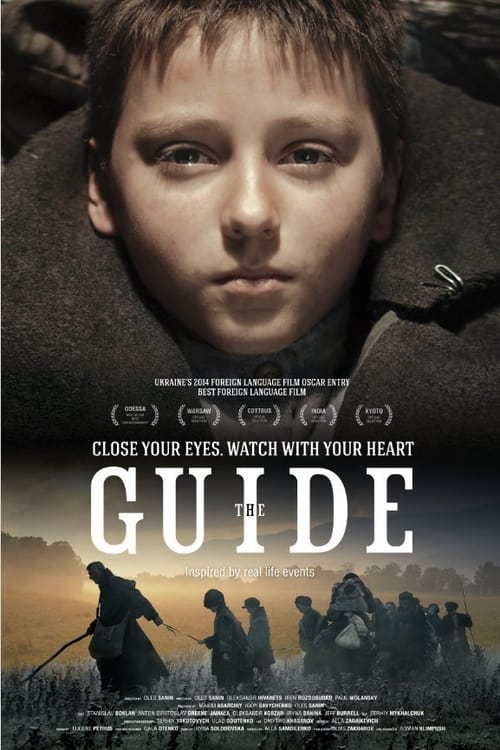
The Guide
2014
No user ratings available yet
Representation score: 7.7 out of 10
Representation Score
Fair
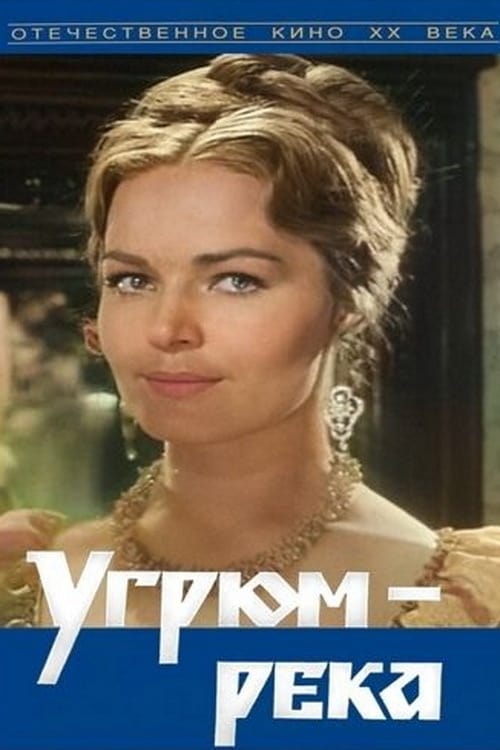
1969
Director
Yaropolk Lapshin
Runtime
330 minutes
Average Rating
No ratings yetNew Showbiz Analysis
Ugryum-River is a fatalistic exploration of human nature that prioritizes psychological depth over social progressivism. It succeeds by challenging the heroic myth, presenting a grim view of social disintegration and the breakdown of communal structures. While the film lacks modern markers like LGBTQ+ or disability representation, it excels in its cultural critique. By depicting state and religious institutions as sources of chaos rather than stability, it challenges traditional, didactic narratives. The work functions as a period-accurate reflection of its setting, using ethnic complexity and moral ambiguity to provide a nuanced look at the human cost of ideological struggle.
Category Breakdown
The film focuses on the survivalist struggles of the peasantry during the Russian Civil War. It adheres to the straight-centered social structures of the early 20th-century rural setting, with no discernible LGBTQ narratives.
Women are depicted within domestic or survival-oriented frameworks rather than as drivers of the central conflict. The film reflects traditional gender hierarchies without actively challenging them or deconstructing masculinity.
Casting aligns with the historical ethnic composition of the Russian peasantry. The character Abdulla introduces ethnic complexity through a servant-master dynamic, providing a period-accurate reflection of regional demographics.
The narrative offers a sophisticated critique of institutional authority and religious structures. It portrays the Civil War as a cycle of senseless violence, emphasizing moral relativism over state-driven morality.
The story centers on the physical and psychological endurance of the able-bodied peasantry. There is no significant evidence of characters with disabilities being afforded real power in the narrative.
Present on Screen
Limited or Absent
Official Synopsis
Story is set in deep Russia, on a wild river in woods called "Ugrum-reka" - the Moody river. Son of a dishonest trader, Prohor Gromov wants to become his own man. He takes his fathers order and goes trough the woods to deliver the furs to the byer in the nearest town. He tries to take the shorter way and get`s lost. At the highest point of this, his fathers servant, Abdulla, who is sent with him to guard him almost shoots him driven by hunger, but comes to the senses and saves his life by continuing to go on.
2014
1960
1939

1967
2003
1973
1963
2017
No reviews yet. Be the first to share your thoughts on this movie!
Use the rating form above to leave a star rating and optional review.