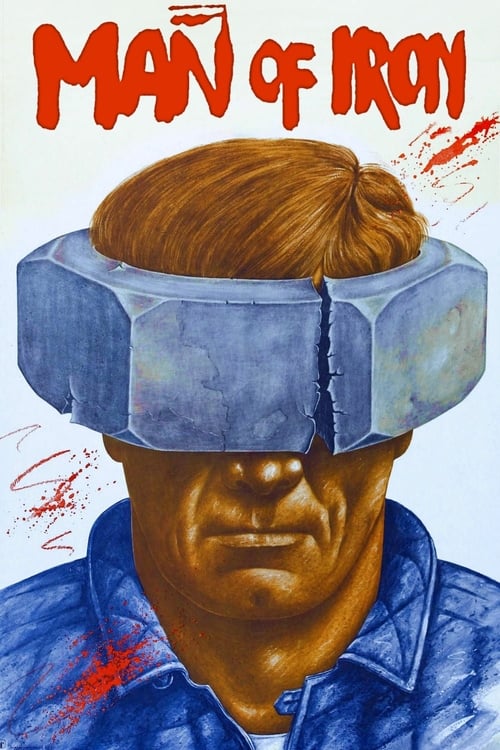
Man of Iron
1981
No user ratings available yet
Representation score: 3.0 out of 10
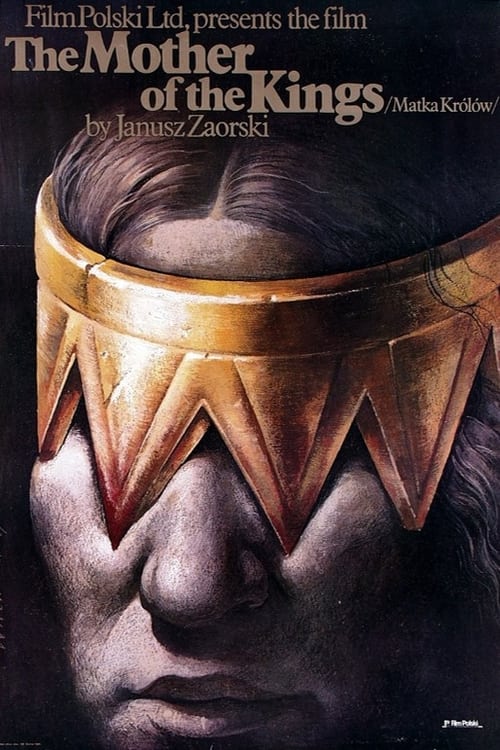
Representation Score
Fair
1987
Director
Janusz Zaorski
Runtime
127 minutes
Average Rating
No ratings yetNew Showbiz Analysis
The film operates as a historical critique of institutional power, focusing on the resilience of the working class. Despite lacking modern identity-based representation, it challenges traditional hierarchies through its protagonist's struggle against systemic oppression. Its strength lies in its socio-economic depth and its refusal to align with state-sanctioned morality. The narrative uses the personal hardships of a single family to reflect the volatile political landscape of 20th-century Poland.
Category Breakdown
The film centers on the daily and political challenges faced by a working-class family. There is no indication of queer-coded subtext or non-cisgender identities within this historical context.
Lucja Krol is portrayed as a strong matriarch rather than a passive household figure. The narrative highlights her significant role and endurance in the face of extreme poverty and political turmoil.
Set in mid-20th century Poland, the casting reflects the ethnic homogeneity of the time. The film emphasizes socio-economic struggle over ethnic diversity within its historical setting.
The narrative provides a strong critique of oppressive state institutions and traditional power structures. It highlights the persecution of individuals by both right-wing and Nazi regimes.
There are no prominent depictions of physical or neurodivergent disabilities as central character traits in the available plot details.
Present on Screen
Limited or Absent
Official Synopsis
In difficult times of political and social change, a mother raises four sons alone.
1981
1985
2017

1994
1992
1991
1989
1988
No reviews yet. Be the first to share your thoughts on this movie!
Use the rating form above to leave a star rating and optional review.