
Staircase
1969
No user ratings available yet
Representation score: 7.5 out of 10
Representation Score
Fair
1994
RDirector
Suri Krishnamma
Runtime
99 minutes
Average Rating
No ratings yetNew Showbiz Analysis
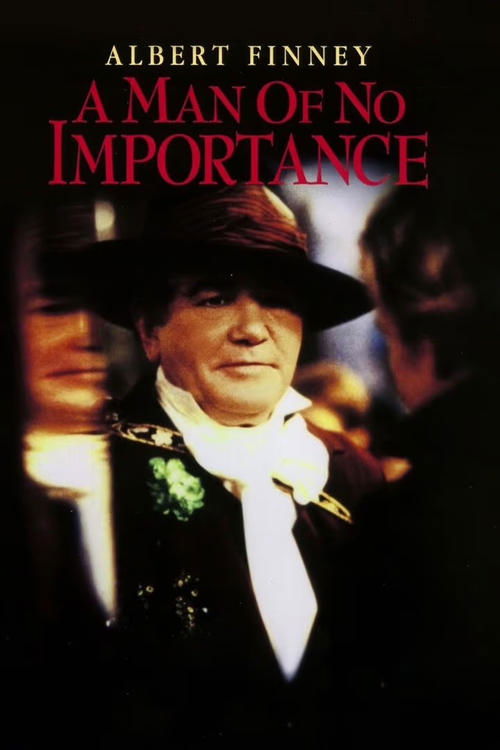
A Man of No Importance is a sophisticated period piece that uses a queer perspective to explore mid-century social constraints. By focusing on a gay protagonist in 1960s Dublin, the film goes beyond a minor subplot to delve into the emotional and psychological challenges of living in a straight-centered society. The film effectively dismantles rigid gender roles and institutional power structures. It uses the protagonist's internal struggle against religious and state authority to create a narrative of intellectual and personal rebellion. While the film's historical setting limits racial diversity, its deep exploration of class, sexuality, and the psychological impact of the closet offers significant progressive value.
Category Breakdown
The film focuses on the experiences of a gay protagonist living in a time of strict legal repression. It explores the psychological burden of hiding one's sexual orientation.
The movie challenges traditional ideas of masculinity by showing the emotional vulnerability of its male lead. It highlights the complexity of his character beyond typical masculine stereotypes.
The film reflects the predominantly white, working-class population of 1960s Dublin. There is little diversity in terms of race or ethnicity.
The story examines the conflict between personal identity and the influence of religious and state authorities. It critiques the intersection of religious morality and legal restrictions.
There are no significant representations of disabilities that play a key role in the narrative.
Present on Screen
Limited or Absent
Official Synopsis
Alfie Byrne is a middle-aged bus conductor in Dublin in 1963. He would appear to live a life of quiet desperation: he's gay, but firmly closeted, and his sister is always trying to find him "the right girl". His passion is Oscar Wilde, his hobby is putting on amateur theatre productions in the local church hall. We follow him as he struggles with temptation, friendship, disapproval, and the conservative yet oddly lyrical world of Ireland in the early 1960s.
1969
1988

2004

1987

2006
1978
1994
1995
No reviews yet. Be the first to share your thoughts on this movie!
Use the rating form above to leave a star rating and optional review.