
Sasha
2011
No user ratings available yet
Representation score: 6.7 out of 10
Representation Score
Fair
1994
Director
Fernando Colomo
Runtime
100 minutes
Average Rating
No ratings yetNew Showbiz Analysis
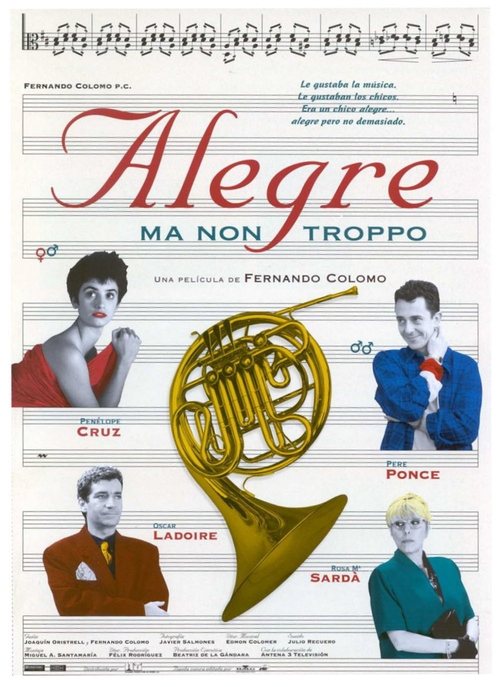
Alegre ma non troppo is a character-driven study that elevates queer identity from a secondary role to a central driver of conflict. The film uses the protagonist's search for intimacy to propel the plot forward. While the film excels in exploring the tension between individual identity and traditional patriarchal institutions, it lacks significant racial or disability-based diversity. The setting remains focused on internal social and familial structures.
Category Breakdown
The film centers Pablo's search for a male partner, placing queer desire at the heart of the story. This exploration goes beyond including someone from a minority group without giving them real depth to delve into the tension between identity and family acceptance.
The story emphasizes emotional intelligence and challenges traditional masculine roles. While male interpersonal dynamics dominate, the character Salome disrupts the established domestic rhythm.
The narrative seems to focus on a localized, relatively homogeneous social setting. There is no indication of a multi-ethnic cast or disruption of Eurocentric norms.
The film critiques patriarchal authority through the tension between Pablo and his estranged father. It challenges the idealized concept of the stable, harmonious Western nuclear family unit.
There is no visible or invisible disability portrayed that affects the narrative or character's ability to drive the story.
Present on Screen
Limited or Absent
Official Synopsis
Pablo is a twenty-year-old man who wants to be a musician in order to be appreciated by his mother and find a male partner he can share his love with. He finds one, but because of his demanding behaviour, he is soon alone again. He tries to become a French horn player in the Youth Spain National Orchestra, but the examiner turns out to be his father, who's been living apart from his family and doesn't really accept Pablo's sexual trends. Once Pablo fails in his exam, he feels very depressed. When another French horn player from Valencia hasn't got a place to sleep, Pablo takes him home to his house. The next morning, however, he finds a girl named Salome inside of his bed.
2011
1992

1997

1992

1993

1999
2005

2013
No reviews yet. Be the first to share your thoughts on this movie!
Use the rating form above to leave a star rating and optional review.