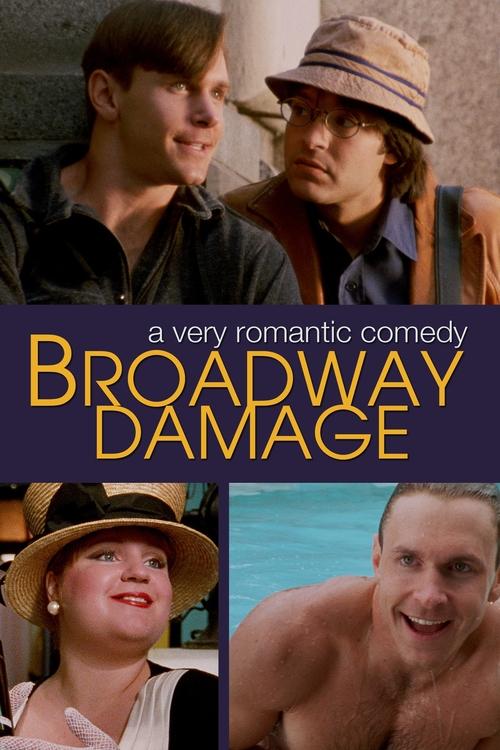
Broadway Damage
1997
No user ratings available yet
Representation score: 4.4 out of 10
Representation Score
Good
1988
RDirector
Paul Bogart
Runtime
120 minutes
Average Rating
No ratings yetNew Showbiz Analysis
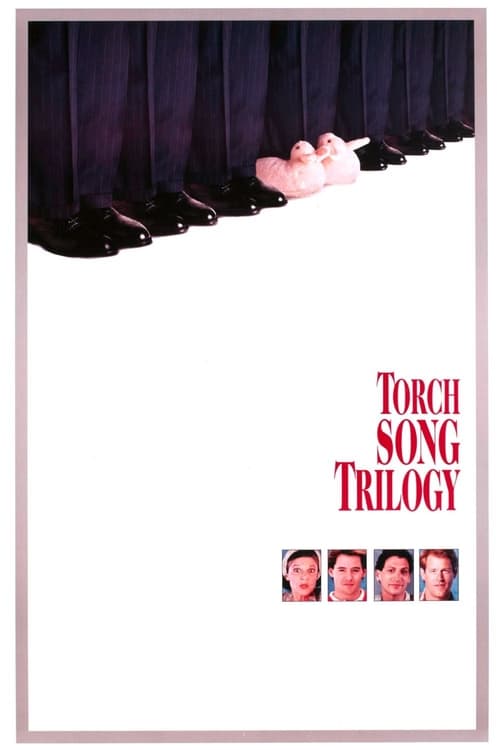
Torch Song Trilogy is a landmark piece of queer cinema that moves away from the era's typical tragic clichés. It focuses on the ability to act and domesticity of its protagonists, centering a non-straight-focused family structure as the emotional core. The film excels in its nuanced portrayal of LGBTQ+ identities and gender performance. By exploring themes of adoption and long-term commitment, it grants queer characters the ability to act to define their own social realities. However, the film's impact is limited by a lack of multi-layered racial diversity. The social circle remains largely homogeneous, reflecting the specific, narrow urban subcultures often depicted in 1980s media.
Category Breakdown
The film features complex, multi-dimensional gay male characters instead of stereotypes. It delves into same-sex intimacy and long-term commitment, using a protagonist's work in female impersonation to challenge traditional gender roles.
Gender hierarchies are challenged by emphasizing male-to-male emotional intimacy. The protagonist's career in female impersonation introduces gender fluidity, breaking down rigid masculinity through a queer perspective.
The narrative focuses on a specific urban queer subculture in New York City. This leads to a relatively homogeneous cast with limited multi-layered racial diversity in central arcs.
The story critiques traditional social structures through the tension between the protagonist and his disapproving mother. It prioritizes individual identity over conventional Western social conformity.
There are no prominent depictions of physical or neurodivergent disabilities that serve as central plot drivers or character identities.
Present on Screen
Limited or Absent
Official Synopsis
Arnold Beckoff is looking for love and acceptance, but as a gay man working as a female impersonator in 1970s New York City, neither come easily. After a series of heartaches, Arnold believes he has found the love of his life in Alan, and the couple make plans to adopt. But when tragedy strikes, Arnold's life is shaken to its very core, leading to a confrontation with his overbearing mother, who has never approved of her son's lifestyle.
1997
1999
2008

2014
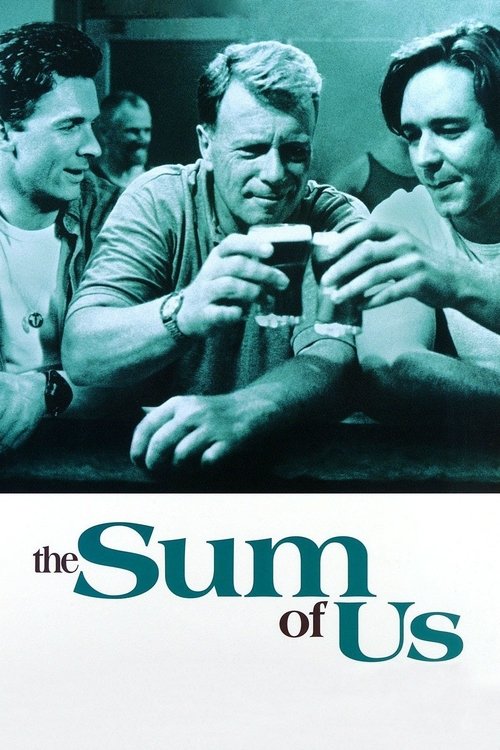
1994
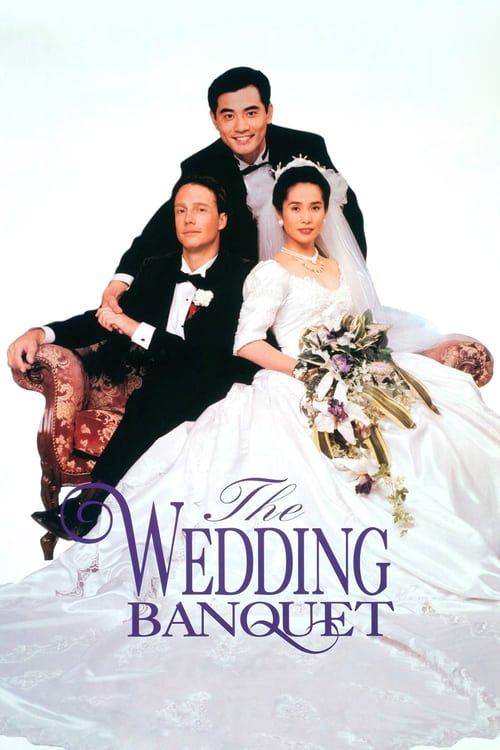
1993
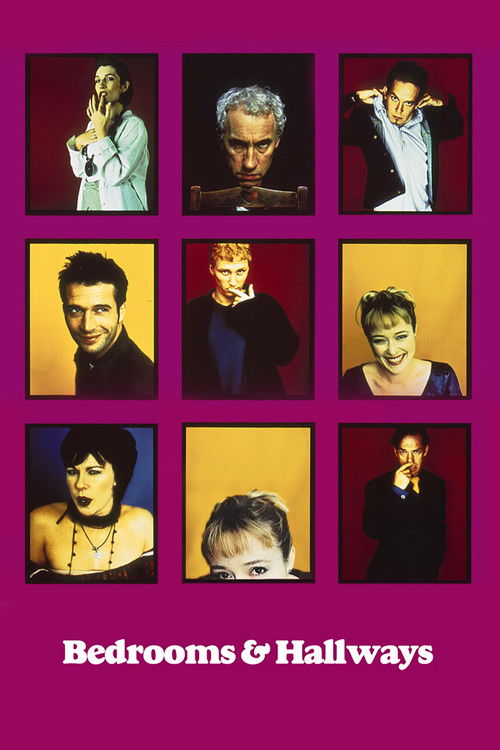
1998

1985
No reviews yet. Be the first to share your thoughts on this movie!
Use the rating form above to leave a star rating and optional review.