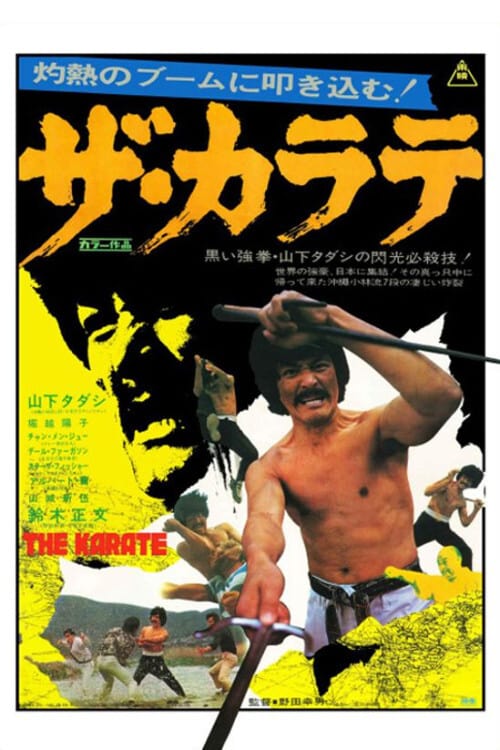
The Karate
1974
No user ratings available yet
Representation score: 2.0 out of 10
Representation Score
Limited
1975
PGDirector
Yukio Noda
Runtime
81 minutes
Average Rating
No ratings yetNew Showbiz Analysis
The film functions primarily as a genre-specific action piece rooted in 1970s martial arts clichés. While it avoids social commentary, it finds its strength in depicting cross-cultural exchange through the tension between Japanese and Chinese traditions. However, the narrative remains heavily focused on traditional masculine hierarchies, limiting the scope of representation for women and LGBTQ+ identities. Ultimately, the film provides a moderate level of ethnic diversity through its transnational plot but lacks depth in other social dimensions.
Category Breakdown
The film focuses on martial arts competition and organizational politics. There are no visible LGBTQ+ characters or critiques of the assumption that everyone is straight or cisgender present.
The film emphasizes male combatants within a traditional masculine hierarchy. Female characters play minor roles, and there are no subversions of gender roles.
A Chinese master's attempt to join a Japanese organization introduces a transnational conflict. This setup highlights cross-cultural dynamics and ethnic diversity.
The story explores themes of institutional gatekeeping and martial discipline. It depicts a clash between Japanese and Chinese traditions without broader systemic deconstruction.
There is no evidence regarding the portrayal of characters with physical or neurodivergent disabilities.
Present on Screen
Limited or Absent
Official Synopsis
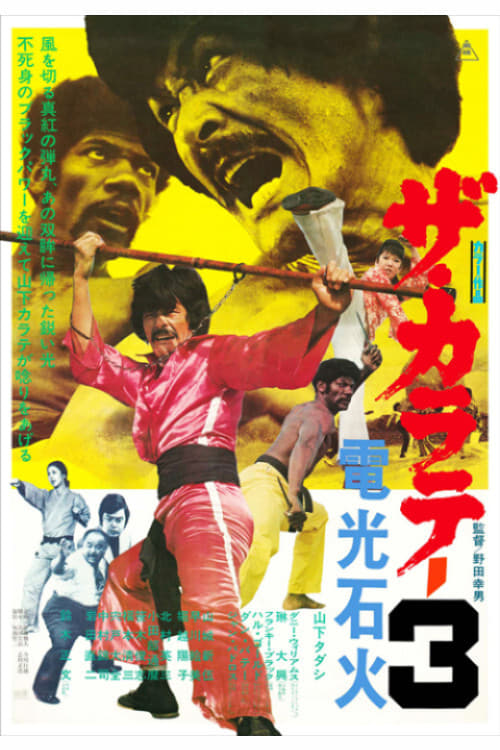
This is the third and final film of the ZA KARATE trilogy. Tadashi Yamashita reprises his role as the Karate World Champion. Local Japanese karate schools are not happy that a Chinese master will take over the Japanese karate organization and will do everything they can to prevent it.
1974

2004
1977
1993
1983

2020
1977
1984
No reviews yet. Be the first to share your thoughts on this movie!
Use the rating form above to leave a star rating and optional review.