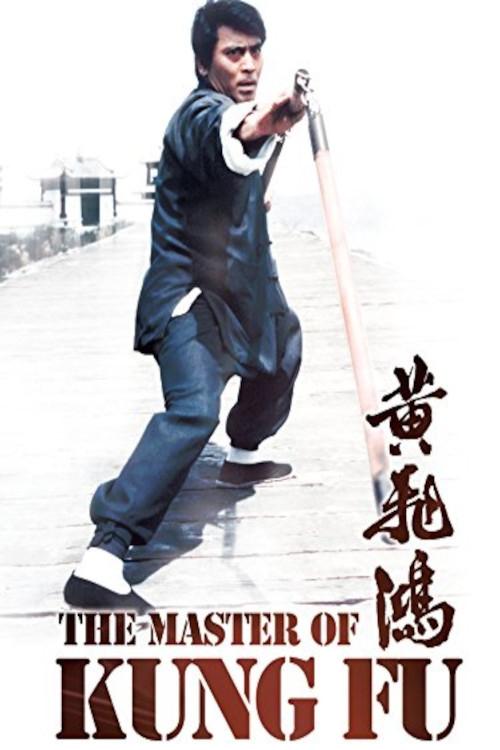
The Master of Kung Fu
1973
No user ratings available yet
Diversity score: 4.2 out of 10
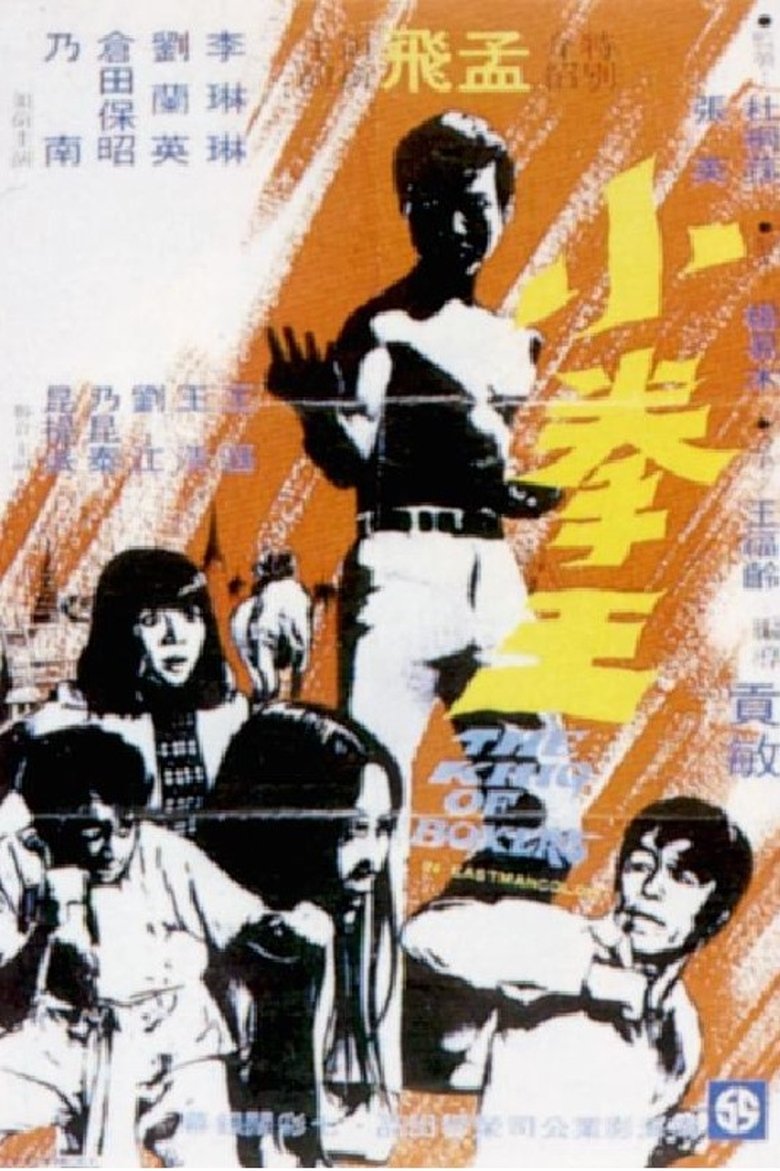
1972
Director
Kung Min
Runtime
90 minutes
Average Rating
No ratings yetSynopsis
A King Boxer named Chow (Meng Fei) visits a friend in Thailand. She introduces him to her boyfriend, who's a Thai boxer. Chow saves the Thai boxer from some thugs and the two become friends. Chow teaches him the knife style. Meanwhile back in China, Chow's brother and sister look after his kung fu school. A Japanese martial artist (Kurata) visits the school looking for Chow. Kurata fights and beats his brother instead and develops strong liking for Chow's sister. Chow returns to China and has to defend his school's honor against Kurata.
Overall Score
Fair
Category Breakdown
LGBTQ+ Representation
The film adheres to heteronormative structures typical of 1970s action cinema. It focuses on traditional romantic pairings, such as the relationship between a female character and her boyfriend in Thailand.
Gender Representation
Male characters drive the physical conflict and leadership through combat-based hierarchies. However, women provide essential structural support by managing the kung fu school and influencing the antagonist's motivations.
Racial & Ethnic Diversity
The story promotes regional interconnectedness by bridging Chinese and Thai identities. This transnational movement facilitates cross-cultural exchange through mentorship and the protagonist's journey across borders.
Religious & Cultural Diversity
The narrative emphasizes traditionalist values like lineage, familial duty, and school honor. It functions as a celebration of meritocracy and the defense of established social structures.
Disability Representation
There are no visible or invisible disabilities portrayed in the film. Characters are defined primarily by their physical prowess and combat capabilities.
Strengths
Areas for Improvement
AI Analysis
The King of Boxers is a traditional genre piece that prioritizes martial honor and established social orders. While it avoids progressive social critiques, it offers a broader regional scope than many contemporary films by incorporating Thai and Japanese elements into its narrative. The film's strength lies in its transnational movement, which disrupts a purely mono-ethnic focus. However, it remains tethered to conventional gender hierarchies and heteronormative romantic structures. Ultimately, the film serves as a celebration of traditionalist meritocracy. It focuses on the preservation of institutional honor rather than the deconstruction of systemic power dynamics.
1973
1980

1976

1972
1974
1992
1981

1991
2011

2019

1972
1976
No reviews yet. Be the first to share your thoughts on this movie!
Use the rating form above to leave a star rating and optional review.