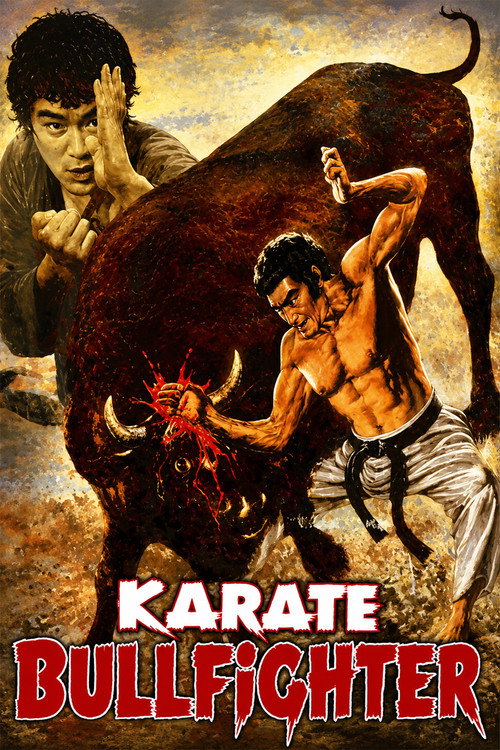
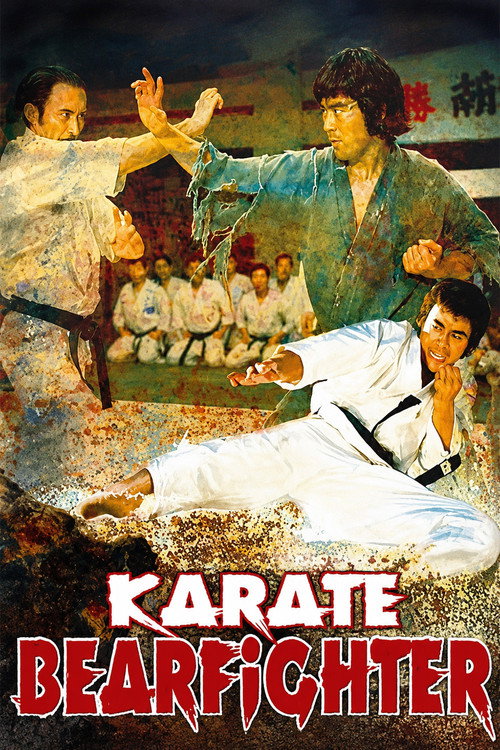
Karate Bullfighter
1975
No user ratings available yet
Representation score: 2.1 out of 10
Representation Score
Limited
1977
Director
Kazuhiko Yamaguchi
Runtime
91 minutes
Average Rating
No ratings yetNew Showbiz Analysis
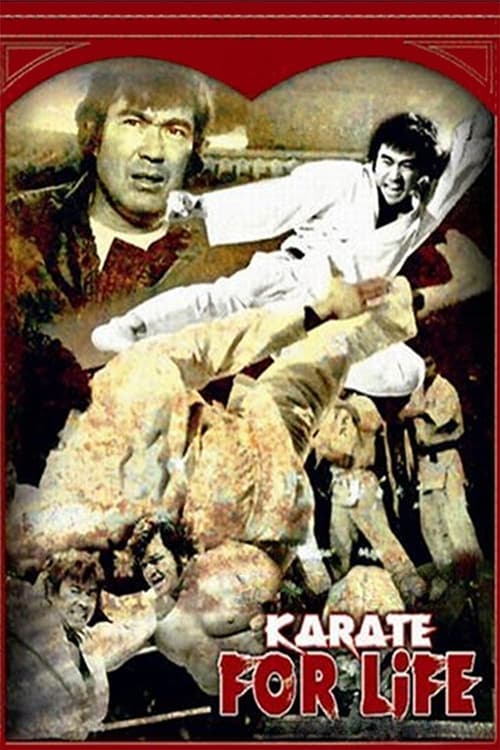
Karate for Life is a quintessential 1970s martial arts film that prioritizes individual discipline and masculine heroism. The narrative follows the traditional clichés of the genre, focusing on the moral fortitude of a single protagonist rather than exploring diverse social perspectives. The film adheres to the social and cinematic norms of its time and place. While it explores regional Japanese identity, it lacks the complexity of characters who reflect more than one aspect of diversity or systemic critique found in more contemporary media. Ultimately, the film functions as a character study of a stoic hero. It reinforces established archetypes of the era rather than attempting to challenge them or represent a broad spectrum of human experience.
Category Breakdown
The film does not include any LGBTQ+ characters or narratives that question the assumption that everyone is straight or cisgender.
The story centers on Masutatsu Oyama and his pursuit of martial integrity. A female character serves as a catalyst for the hero's motivation but does not have her own independent role in driving the story.
Set in Okinawa, the film reflects the homogeneous cultural landscape of its era. It features a Japanese cast without presenting a multicultural or non-Anglo-Saxon majority.
Themes of honor and resisting corruption are framed through traditional martial arts ethics. The narrative focuses on personal integrity within a structured social framework.
There is no documented evidence regarding the portrayal of physical or neurodivergent disabilities in this work.
Present on Screen
Limited or Absent
Official Synopsis
The last of the Masutatsu Oyama trilogy. Oyama takes a job as a professional wrestler in Okinawa, but when he discovers that he is expected to take a dive, he quits in disgust. However, when a friend finds herself in desperate need of medical supplies, Oyama steps back in the ring to raise the money—but will he be able to follow the script this time?
1975
2004
1975

1972
1975
1973
1973

1980
No reviews yet. Be the first to share your thoughts on this movie!
Use the rating form above to leave a star rating and optional review.