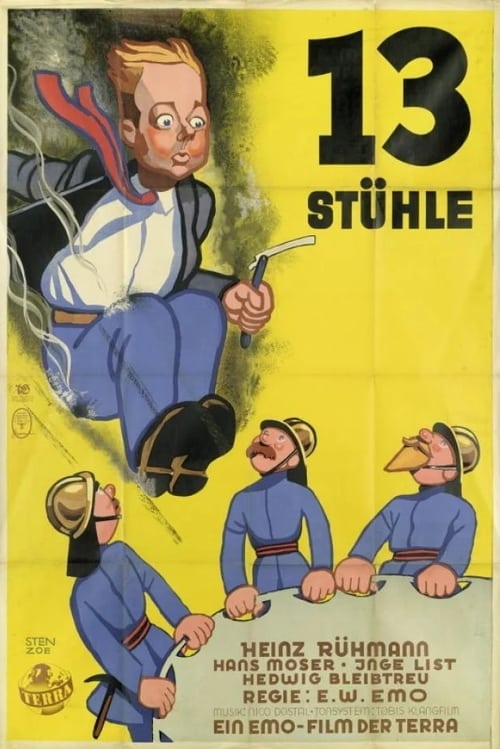
13 Chairs
1938
No user ratings available yet
Representation score: 1.1 out of 10

Representation Score
Minimal
1943
Director
Carlos Schlieper
Runtime
63 minutes
Average Rating
No ratings yetNew Showbiz Analysis
Carlos Schlieper’s comedy is a quintessential product of the Golden Age of Argentine cinema, prioritizing sophisticated escapism over social critique. The film relies on established genre clichés, focusing on the comedic tension of lost nobility and high-society etiquette. The narrative structure reinforces the status quo of its era. By centering the plot on wealth, class, and traditional marriage, the film avoids challenging the socioeconomic or gendered hierarchies of the 1940s. Ultimately, the work functions as a polished social comedy that reflects a narrow, Western-aligned demographic, offering little representation for underrepresented identities or diverse cultural perspectives.
Category Breakdown
The film follows traditional 1940s romantic storylines and does not include any queer narratives or non-straight identities.
Gender roles reflect mid-century hierarchies. Despite the female lead having economic power, the plot resolves through a marriage of convenience, reinforcing traditional domestic structures.
The setting focuses on a homogeneous, Eurocentric social elite. The narrative lacks visible racial or ethnic diversity within its high-society context.
The comedy centers on class and etiquette, using high-society clichés without critiquing Western institutions or socioeconomic hierarchies.
There are no characters with physical or neurodivergent disabilities in the narrative.
Present on Screen
Limited or Absent
Official Synopsis
A Russian duke who's fallen on hard times tries to recover a stash of jewels hidden inside an armchair, but the chair gets sold at auction to a millionairess and he's forced to marry her in order to retrieve the treasure.
1938

1971
1962

1938

1971

1970

1932
1974
No reviews yet. Be the first to share your thoughts on this movie!
Use the rating form above to leave a star rating and optional review.