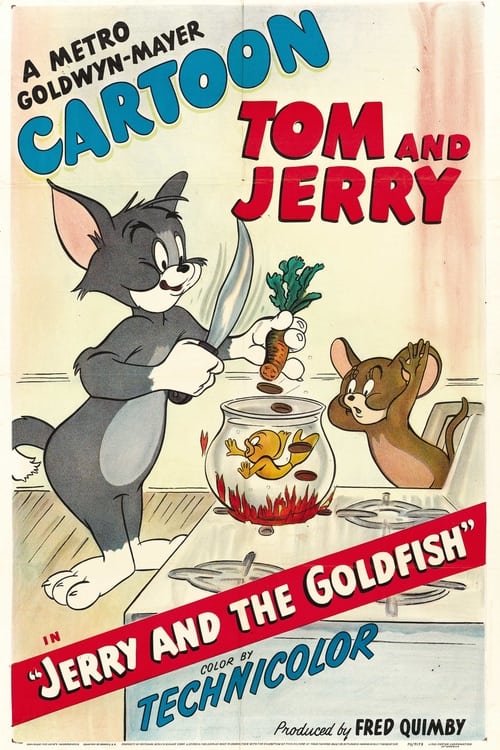
Jerry and the Goldfish
1951
No user ratings available yet
Diversity score: 1.5 out of 10
1955
NRDirector
Joseph Barbera, William Hanna
Runtime
6 minutes
Average Rating
No ratings yetSynopsis
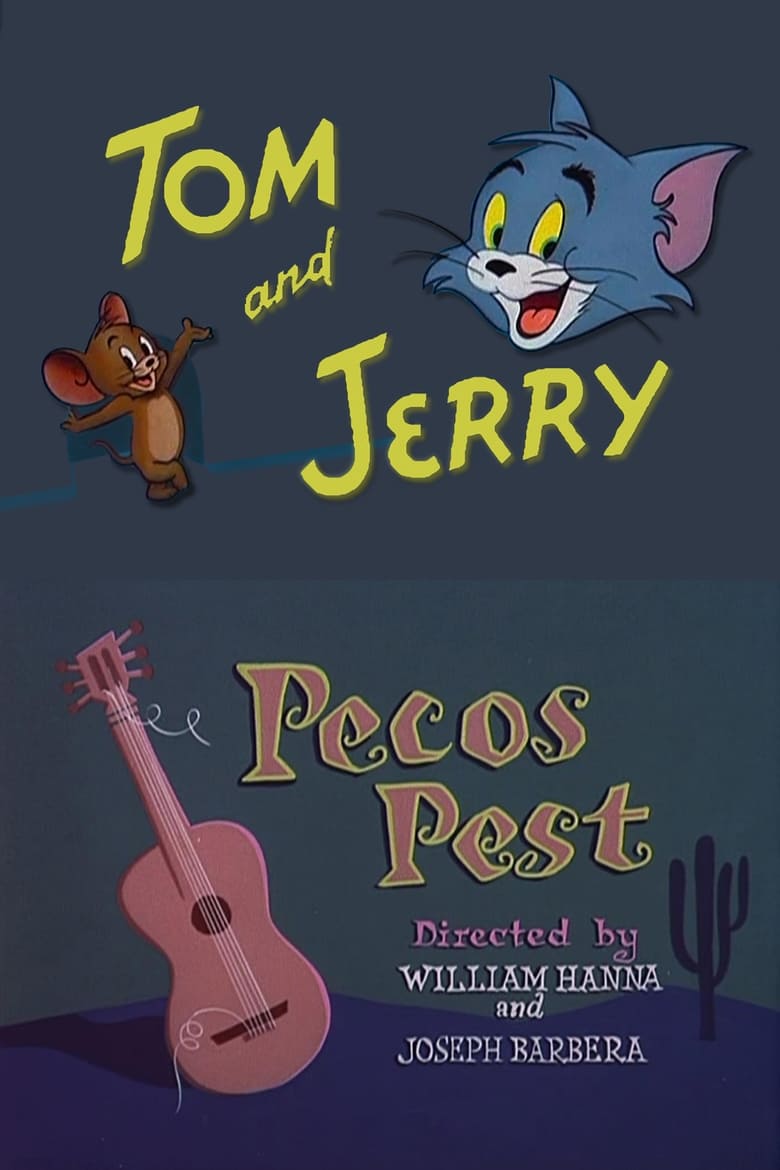
Jerry's eccentric uncle, Pecos, a Texan mouse, comes to spend the night with him before his musical performance on television the next day. He decides to rehearse with his guitar for the performance but each time he plays, one of his guitar strings snaps off. Fortunately, he is able to replace them by plucking off one of Tom's whiskers each time. Tom is rather reluctant about this and tries to hide to protect his whiskers from Uncle Pecos.
Overall Score
Limited
Category Breakdown
LGBTQ+ Representation
The story focuses on a familial interaction between Jerry and his uncle. There are no depictions of non-cisnormative identities or same-sex intimacy.
Gender Representation
The film operates within a masculine comedic framework. The conflict involves male characters and lacks any meaningful subversion of gender hierarchies.
Racial & Ethnic Diversity
Uncle Pecos is framed through a Texan persona. The narrative relies on regional stereotypes of the American West rather than intersectional or race-bent narratives.
Religious & Cultural Diversity
The film adheres to traditional mid-century Western comedic structures. It emphasizes individualistic slapstick and does not critique Western institutions or family units.
Disability Representation
There are no depictions of physical or neurodivergent disabilities. Physical struggles are purely the result of slapstick violence.
Strengths
Areas for Improvement
AI Analysis
Pecos Pest is a traditional comedic short that prioritizes physical humor and regional archetypes over social representation. The narrative relies on established character tropes that reinforce 1950s social and cultural norms. The film lacks the agency of marginalized identities and does not engage with the deconstruction of traditional institutions. It functions as a conventional, non-intersectional piece of animation. Ultimately, the work focuses on slapstick-driven conflict rather than narrative complexity or diverse perspectives.
1951
1950
1946
1957
1950
1954

1959
1944
1952
1942
1950
1953
No reviews yet. Be the first to share your thoughts on this movie!
Use the rating form above to leave a star rating and optional review.