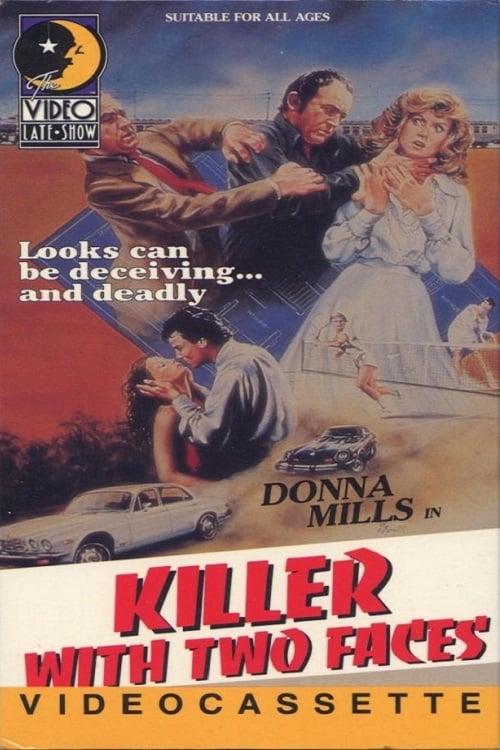
A Killer with Two Faces
1974
No user ratings available yet
Representation score: 2.8 out of 10

Representation Score
Minimal
1968
UnratedDirector
Charles Jarrott
Runtime
120 minutes
Average Rating
No ratings yetNew Showbiz Analysis
This adaptation of Stevenson’s classic functions as a conservative psychological thriller. It adheres strictly to Victorian social hierarchies and traditional moral frameworks, offering little disruption to established clichés. The production prioritizes the internal duality of the protagonist over any systemic or social critique. Consequently, the film lacks meaningful representation across most diversity metrics, reinforcing historical norms rather than challenging them. While effective as a period piece, the film's reliance on traditional character roles and metaphorical use of deformity limits its contemporary relevance regarding social inclusivity.
Category Breakdown
The film does not include any LGBTQ+ characters or narratives. The interpersonal dynamics stay within traditional Victorian romantic structures without exploring queer identities.
Female characters primarily serve as moral stabilizers or romantic interests. They lack the ability to act to drive the plot, acting instead as reactive figures to the male protagonist's crises.
The cast is predominantly homogeneous, reflecting both the Victorian setting and the 1968 production standards. It depicts a standard Anglo-Saxon social stratum without diverse ethnic perspectives.
The narrative frames conflict as a personal struggle between good and evil. It upholds social stability by presenting the protagonist's moral decay as a cautionary tale.
Physical deformity is used as a visual metaphor for internal sin. The film relies on grotesque aesthetics to signify moral corruption rather than providing nuanced portrayals of disability.
Present on Screen
Limited or Absent
Official Synopsis
In this Dan Curtis production of the Robert Louis Stevenson classic, Jack Palance stars as Dr. Henry Jekyll, a scientist experimenting to reveal the hidden, dark side of man, who, in the process of his experiment, releases a murderer from within himself.
1974
1960
1973

1931

1970
1941
1951
1920
No reviews yet. Be the first to share your thoughts on this movie!
Use the rating form above to leave a star rating and optional review.