Die lachende Grille
1926
No user ratings available yet
Representation score: 4.1 out of 10
Representation Score
Minimal
1922
NRDirector
Gilbert M. Anderson
Runtime
9 minutes
Average Rating
No ratings yetNew Showbiz Analysis
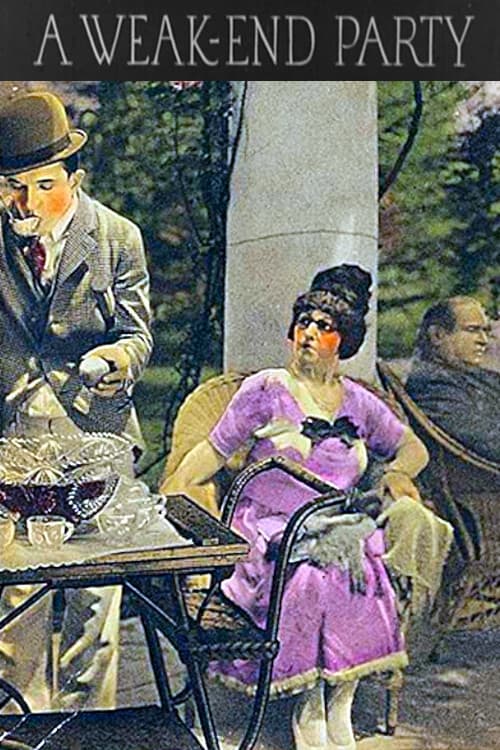
The Weak-End Party is a period-specific comedy of manners that adheres to the social hierarchies of the early 1920s. The film lacks the multi-layered complexity or systemic critique needed to go beyond a baseline score. Its focus on social errors and etiquette suggests a narrative that upholds established cultural norms rather than challenging them. The absence of diverse casting or subversive character arcs limits the representation. Ultimately, the film seems to prioritize traditional social structures and homogeneous character dynamics common to early silent comedies.
Category Breakdown
The film does not include any explicit references to LGBTQ identities or dynamics. There are no character arcs that suggest LGBTQ visibility or ability to act.
The story revolves around social errors and relies on traditional gender hierarchies. Women are not shown as having superior intellect or strength.
The film centers on a homogeneous social structure without characters of color who have significant roles or influence. Traditional casting practices are used without diverse representation.
The story operates within traditional Western social frameworks, emphasizing etiquette and class standing. It does not challenge or critique Western institutions or social norms.
There are no characters with visible or invisible disabilities in the film.
Present on Screen
Limited or Absent
Official Synopsis
A riotous comedy of social errors, as absurd as a butler's whiskers.
1926
1926
1928

1923

1909
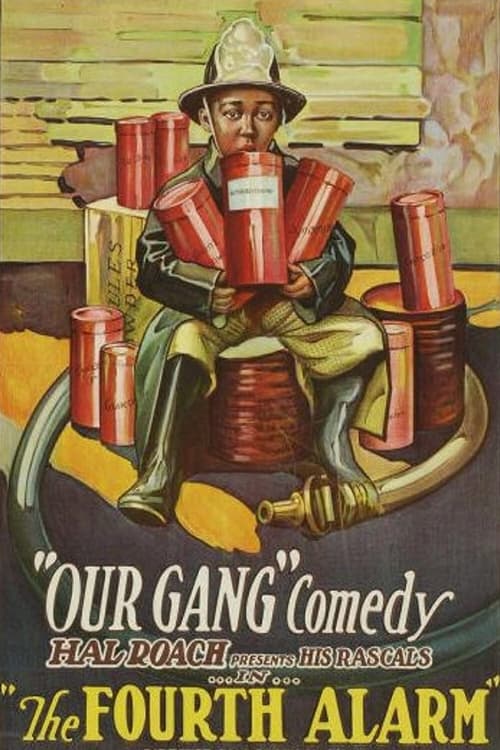
1926
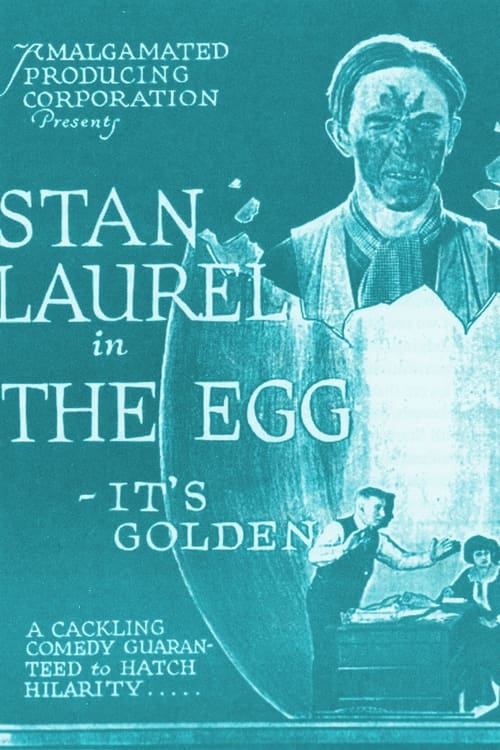
1922
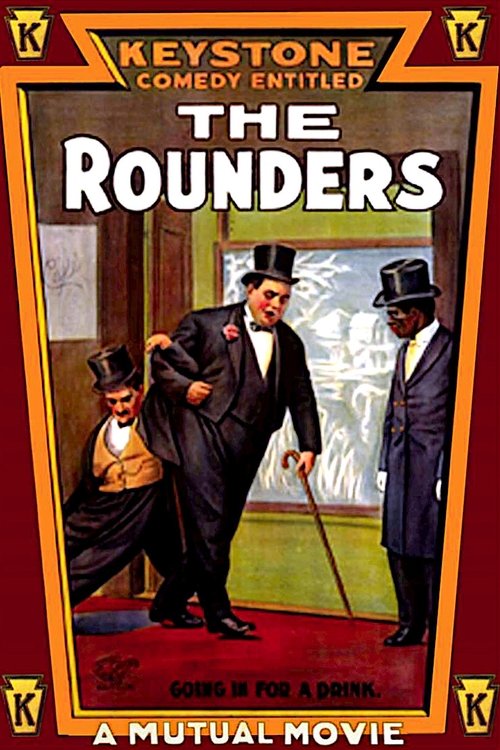
1914
No reviews yet. Be the first to share your thoughts on this movie!
Use the rating form above to leave a star rating and optional review.