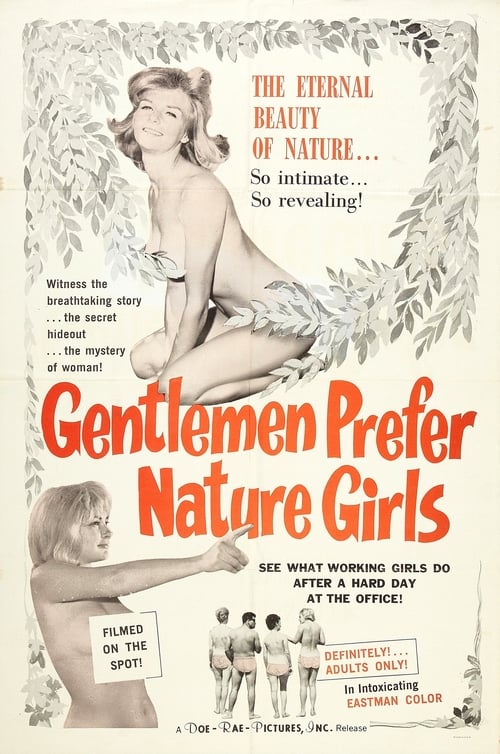
Gentlemen Prefer Nature Girls
1963
No user ratings available yet
Diversity score: 3.9 out of 10
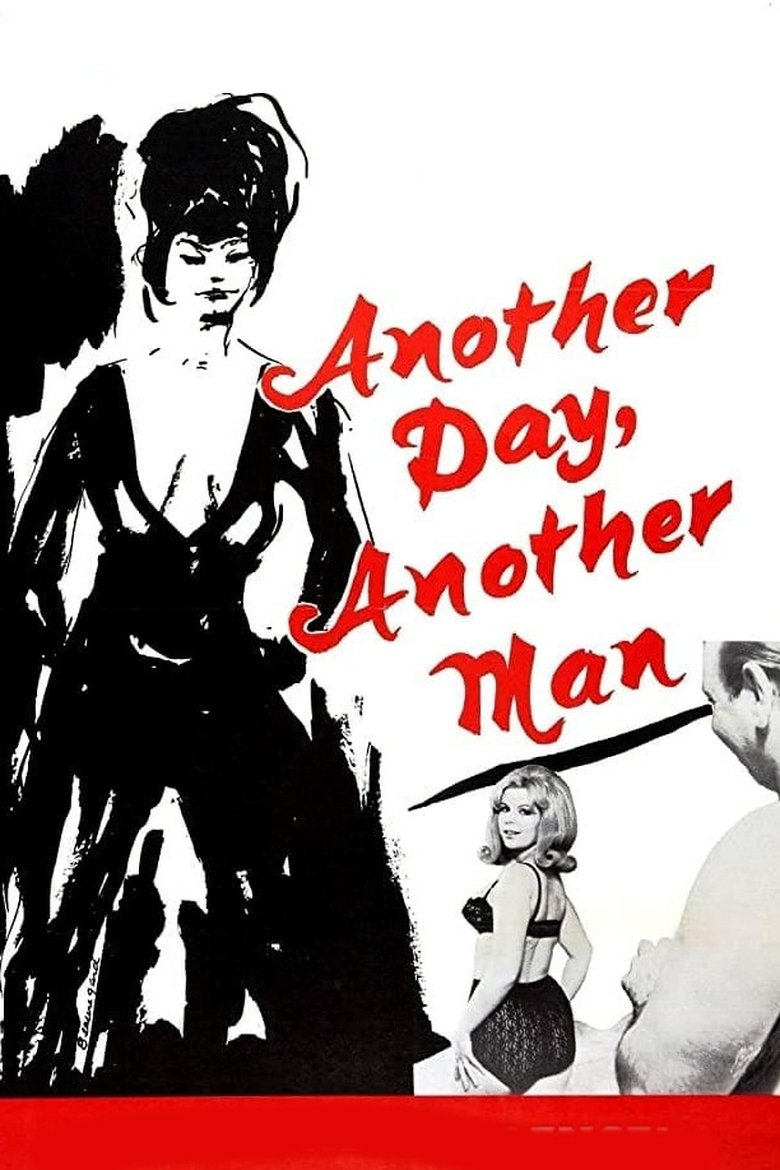
1966
NRDirector
Doris Wishman
Runtime
71 minutes
Average Rating
No ratings yetSynopsis
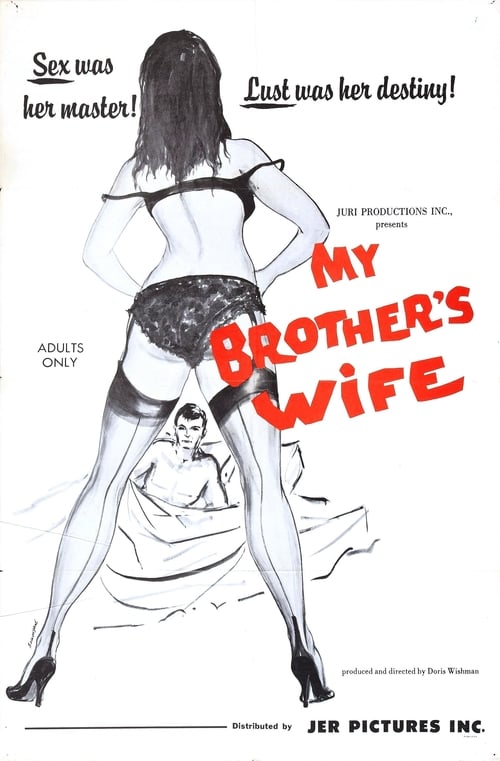
A young couple move into an expensive new apartment after the husband gets a big pay raise. Unfortunately, he is soon stricken with a mysterious ailment and becomes bedridden. The wife, unable to find a job and with bills piling up, runs into a seedy pimp who suggests a way she may be able to make a lot of money in a short time.
Overall Score
Fair
Category Breakdown
LGBTQ+ Representation
The film focuses on a traditional heterosexual marriage between Steve and Ann Bundy. There is no evidence of non-heteronormative identities or LGBTQ+ characters within the narrative.
Gender Representation
The story subverts typical gender roles by rendering the male provider incapacitated. Ann must take active, transactional control of her life to ensure economic survival.
Racial & Ethnic Diversity
The narrative lacks indication of a diverse cast. It appears to follow the homogeneous demographic compositions common in mid-1960s independent American dramas.
Religious & Cultural Diversity
The film critiques the fragility of middle-class stability and capitalist ideals. It explores how economic pressure can force individuals to abandon conventional social mores.
Disability Representation
Steve's mysterious ailment serves as a primary plot catalyst. However, the film focuses on the socioeconomic fallout rather than the lived experience of disability.
Strengths
Areas for Improvement
AI Analysis
Doris Wishman’s film offers a compelling subversion of mid-century domesticity by shifting agency from a passive male to an active female protagonist. While the narrative disrupts traditional gender hierarchies through Ann's struggle for survival, it remains limited by a lack of demographic breadth. The film's strength lies in its exploration of economic precarity and the breakdown of the nuclear family. However, it fails to provide meaningful representation for racial or LGBTQ+ identities, remaining tethered to the homogeneous casting standards of its era. Ultimately, the work functions more as a study of systemic failure and gendered responsibility than as a diverse social tapestry.
1963
1965

1965
1960

2001
1971

1969
1966

1983
1930
1983

1970
No reviews yet. Be the first to share your thoughts on this movie!
Use the rating form above to leave a star rating and optional review.