Ensemble
2010
No user ratings available yet
Representation score: 6.0 out of 10
Representation Score
Limited
1990
Not RatedDirector
Kjell Grede
Runtime
118 minutes
Average Rating
No ratings yetNew Showbiz Analysis
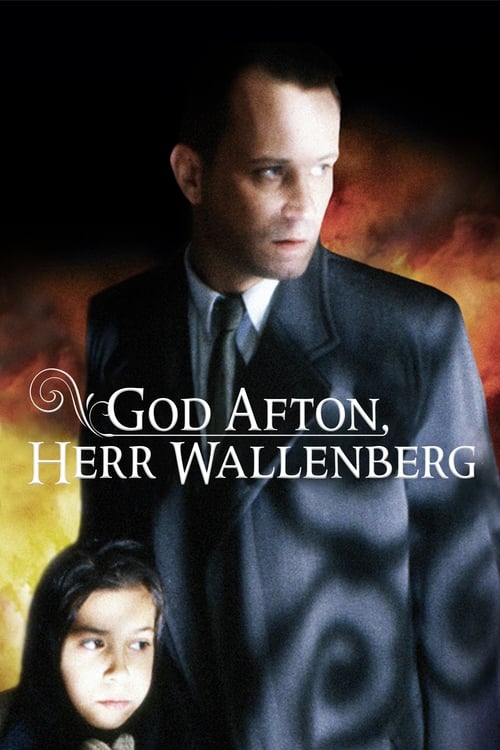
Good Evening, Mr. Wallenberg is a historical drama that builds its tension around the ethnic and religious persecution of the 1940s. The film excels in depicting the moral stakes of the Holocaust by focusing on the Jewish community's struggle for survival. However, the film lacks contemporary markers of diversity such as LGBTQ+ characters or disability representation. Its focus remains narrowly on the specific ethnic crisis of the era. Ultimately, the film serves as a critique of wartime bureaucracy. It emphasizes individual humanitarian action over the rigid, often failing, structures of state-sanctioned authority.
Category Breakdown
The film does not include any LGBTQ+ characters or narratives. The story focuses on the geopolitical and ethnic issues of the 1940s.
The story centers around male-dominated diplomatic and administrative roles. Women are present in the wartime setting, but the film does not emphasize their ability to act or challenge traditional gender roles.
The film offers significant representation of the Jewish community in Budapest. It highlights their experiences and the systemic threats they faced during the Holocaust.
The story criticizes the failure of international bodies to protect vulnerable people. It portrays the Nazi occupation as a corrupt institution that hinders humanitarian efforts.
The film does not focus on visible or invisible disabilities. Characters with disabilities are not central to the narrative.
Present on Screen
Limited or Absent
Official Synopsis
Swedish account of Raoul Wallenberg, the man responsible for the largest rescue of Jews during World War II.
2010
2009

2008

1959
2006

2014
2015

2020
No reviews yet. Be the first to share your thoughts on this movie!
Use the rating form above to leave a star rating and optional review.