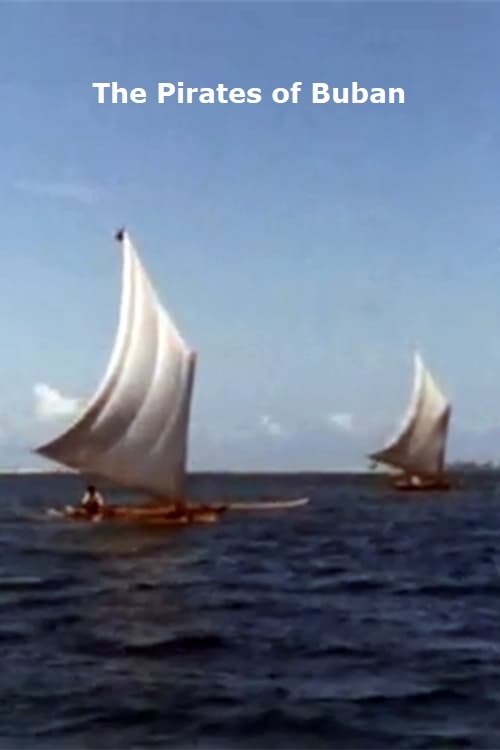
The Pirates of Buban
1972
No user ratings available yet
Representation score: 5.8 out of 10
Representation Score
Fair
1973
Director
Shōhei Imamura
Runtime
52 minutes
Average Rating
No ratings yetNew Showbiz Analysis
Shōhei Imamura’s documentary offers a raw, anthropological perspective on life after World War II. It dismantles social order and highlights the lived experiences of those on the margins of society. The film excels by challenging traditional roles and norms, particularly in gender and morality. By prioritizing situational ethics over state-imposed rules, it provides a nuanced critique of post-war reconstruction and institutional rigidity. However, the film's narrow focus limits its scope. The absence of LGBTQ+ representation and an ethnically homogeneous cast restricts its exploration of broader social diversity.
Category Breakdown
The documentary focuses on the post-war reintegration of former soldiers. It does not include any characters or stories related to LGBTQ+ identities.
Women are portrayed as strong and resilient, challenging traditional gender roles. The film highlights their primal strength and ability to act, moving away from submissive stereotypes.
The cast is predominantly Japanese, focusing on the domestic aftermath of the war. It explores a fragmented Japanese identity without incorporating diverse cultural backgrounds.
The film critiques strict post-war morality and Western-influenced social structures. It portrays the protagonist's outlaw status as a result of systemic displacement and survival.
There are no prominent depictions of physical or neurodivergent disabilities in the narrative. No central character arcs are driven by disability.
Present on Screen
Limited or Absent
Official Synopsis
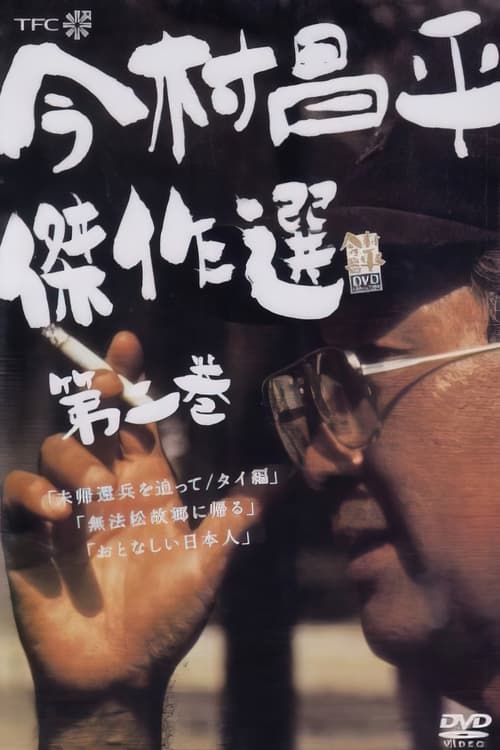
“In Search of Unreturned Soldiers was about former soldiers of the Japanese army who chose not to return to Japan after the war. I found several of them who had remained in Thailand. Two years later, I invited one of them to make his first return visit to Japan and documented it in Outlaw-Matsu Returns Home. During the filming, my subject Fujita asked me to buy him a cleaver so that he could kill his ‘vicious brother.’ I was shocked, and asked him to wait a day so that I could plan how to film the scene. By the next morning, to my relief, Fujita had calmed down and changed his mind about killing his brother. But I couldn’t have had a sharper insight into the ethical questions provoked by this kind of documentary filmmaking.” —Shôhei Imamura
1972

2008
2001
1987
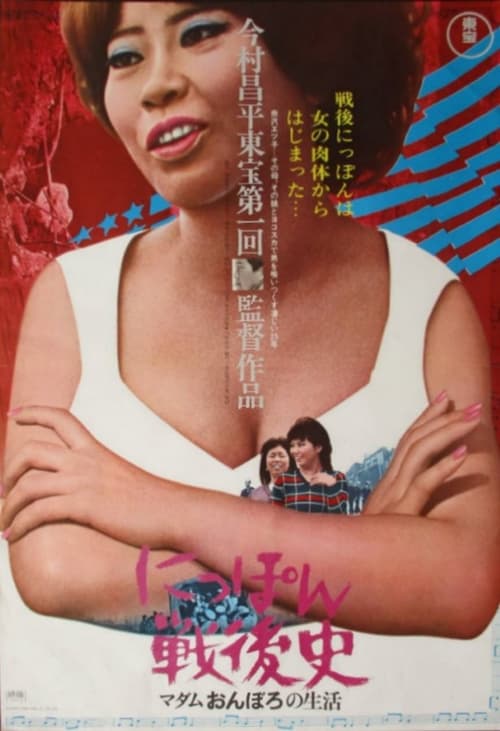
1970
1982

2007
1971
No reviews yet. Be the first to share your thoughts on this movie!
Use the rating form above to leave a star rating and optional review.