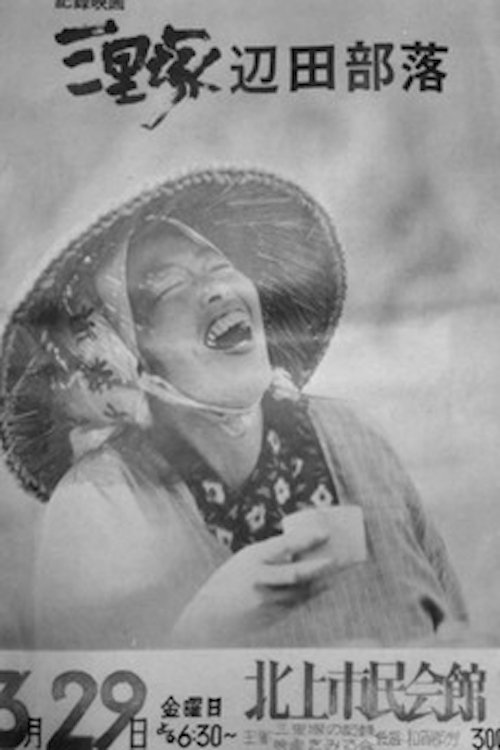
Sanrizuka: Heta Village
1973
No user ratings available yet
Representation score: 3.4 out of 10
Representation Score
Limited
1982
Director
Shinsuke Ogawa
Runtime
210 minutes
Average Rating
No ratings yetNew Showbiz Analysis
Shinsuke Ogawa’s documentary functions as a socio-political study of a peripheral Japanese community. Rather than focusing on modern identity politics, the film examines the friction between traditional agrarian life and the pressures of urbanization and state-driven modernization. The work excels at cultural critique, using the village as a lens to challenge monolithic narratives of national progress. It highlights the trauma of warfare and the economic displacement of rural populations. While the film lacks representation for LGBTQ+ identities or racial diversity beyond the Japanese population, its ethnographic approach provides a vital perspective on the underrepresented rural class.
Category Breakdown
The film focuses on the socio-economic and geographic realities of a rural mountain village. There are no LGBTQ+ characters or narratives addressing non-straight relationships.
The narrative explores the life history of a village facing youth exodus. It documents the survivalist role of rural inhabitants and the gendered division of labor within domestic roles.
The cast is ethnically homogeneous, centered on a specific Japanese village. However, it provides visibility to the rural agrarian class, a demographic often invisible in mainstream national discourses.
The film critiques rapid industrial capitalism by framing the village through historical trauma and systemic displacement. It highlights the struggle of traditional communal life against centralized state power.
There is no specific evidence to suggest that disability is a central thematic element or a primary driver of the narrative.
Present on Screen
Limited or Absent
Official Synopsis
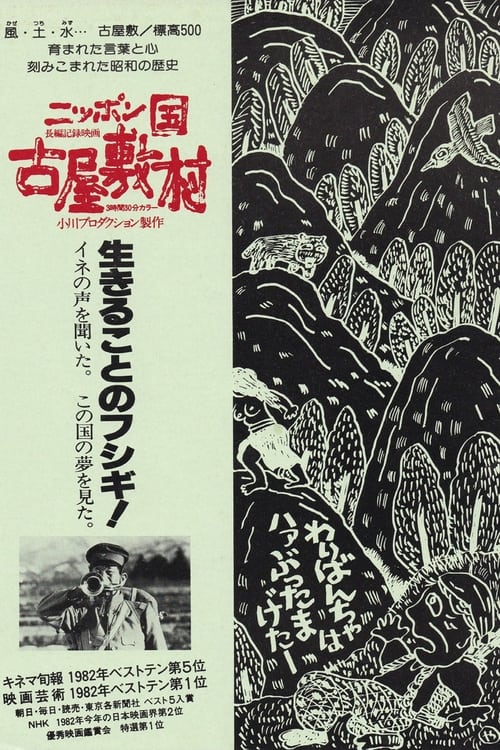
This is Ogawa Productions’ first major film from their Yamagata period. They had already started photography on Magino Village -A Tale but they were drawn to this village deep in the high country above Magino when a particularly cold bout of weather threatened crops. Inevitably, their attention strayed from the impact of weather and geography on the harvest to the “life history” of Furuyashiki Village. On the one hand, Ogawa returns to his roots by playing with the conventions of the science film. At the same time, he discovers a local, peripheral space in which to think about the nation and the state of village Japan. From this “distant perspective” in the very heart of the Japanese mountains, Ogawa discovers a village still dealing with the trauma of global warfare and struggling for survival as their children flee for the cities.
1973
2011
1987

1992
1968

2018

2011
2012
No reviews yet. Be the first to share your thoughts on this movie!
Use the rating form above to leave a star rating and optional review.