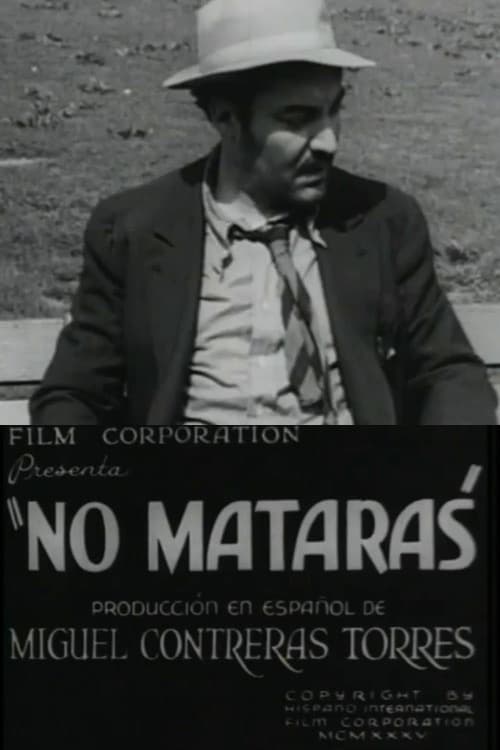
Thou Shalt Not Kill
1935
No user ratings available yet
Representation score: 2.4 out of 10
Representation Score
Limited
1916
Not RatedDirector
Chester M. Franklin, Sidney Franklin
Runtime
58 minutes
Average Rating
No ratings yetNew Showbiz Analysis
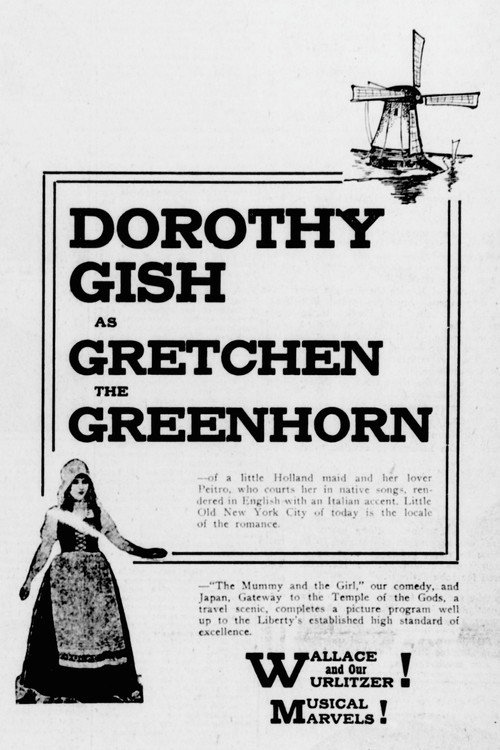
Gretchen the Greenhorn is a typical social drama from the silent era. It successfully presents a pluralistic urban environment through its depiction of a multi-ethnic immigrant community. However, the film strictly follows the conventional social and moral norms of 1916. While Gretchen is the main character, her journey is defined by fitting into society rather than having true independence. Ultimately, the film does not aim to challenge traditional gender roles or institutional structures, opting instead for a period-specific look at immigrant life and ethics.
Category Breakdown
The film focuses on traditional romantic and family relationships. It does not include any non-cisgender identities or stories that question the assumption that everyone is straight.
Gretchen is the main female character. However, her role is closely tied to her home and social connections, following typical patterns of female characters from that time.
The film showcases a mix of nationalities in the tenement setting, including Dutch and Italian influences. This provides a more detailed social picture compared to many homogeneous films of the era.
The story revolves around immigrant assimilation and moral choices. It does not criticize Western institutions but focuses on integrating into the existing social structure.
There are no visible or hidden disabilities shown in the film.
Present on Screen
Limited or Absent
Official Synopsis
Gretchen Van Houck is just arriving in the USA, on a ship from Holland. She joins her father, who has already spent several years in America, where he owns an engraving business. In the tenement community where the Van Houcks live, there are residents of many nationalities. Gretchen soon becomes close friends with Pietro, a popular resident, and she also takes an interest in the widow Garrity and her children. Another resident, Rogers, is more mysterious. One day Rogers tells Mr. Van Houck that he could help him get a job printing money for the government. Van Houck eagerly agrees to try, but when he finds out what Rogers is really doing, he is placed in a painful dilemma.
1935

2006
1912
1916
1921
1915
1927
1920
No reviews yet. Be the first to share your thoughts on this movie!
Use the rating form above to leave a star rating and optional review.