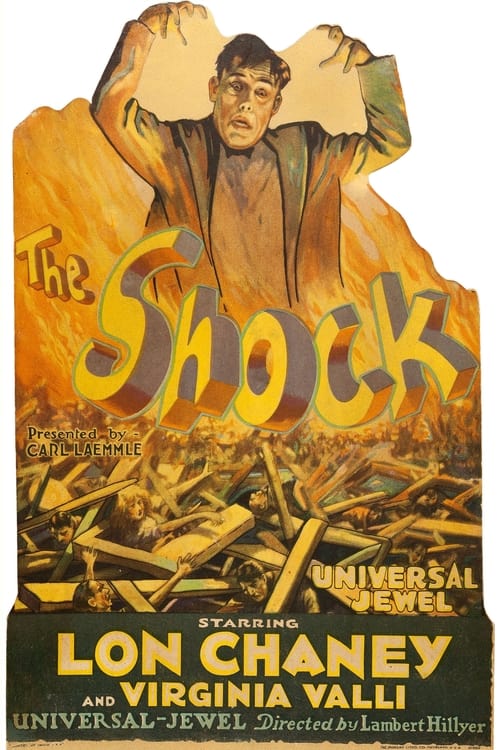
The Shock
1923
No user ratings available yet
Representation score: 2.0 out of 10
Representation Score
Limited
1920
Director
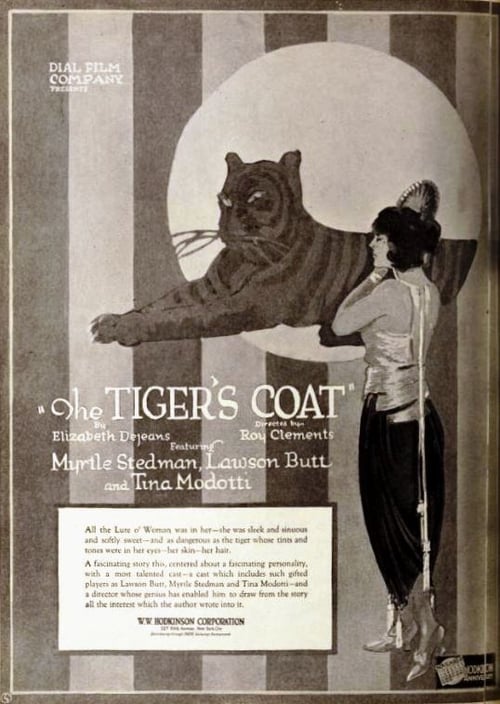
Roy Clements
Runtime
55 minutes
Average Rating
No ratings yetNew Showbiz Analysis
The film stands out for its handling of racial ambiguity through Jean Ogilvie's character. By acknowledging her mixed heritage and the influence of her Mexican upbringing, the film avoids the era's typical homogeneity. However, the narrative remains tied to traditional structures. The central tension is fueled by male-driven conflict, and the female lead has little control over what happens to them, serving mostly as a plot device to interrupt the men. Ultimately, while the ethnic complexity is a strength, the lack of diverse identity-driven arcs and the reliance on standard gender hierarchies result in a conventional dramatic experience.
Category Breakdown
The film does not depict any LGBTQ+ identities or non-straight relationships. The plot focuses on traditional interpersonal conflicts and potential heterosexual romances.
Male characters drive the central conflict, establishing a traditional power dynamic. The female protagonist mainly reacts to the actions of the male characters, playing a supporting role within the narrative structure.
Jean Ogilvie's character provides a nuanced depiction of mixed heritage. Her dark skin, influenced by her Mexican background, offers a rare disruption of the era's homogeneous casting practices.
The story follows a conventional Western dramatic framework. It adheres to early 20th-century social norms without critiquing Western institutions or promoting secular themes.
There are no characters with visible or invisible disabilities in the narrative.
Present on Screen
Limited or Absent
Official Synopsis
The film begins in the southern California home of Alexander MacAllister (Lawson Butt) where he is confronting Andrew Hyde (Miles McCarthy) who is accused of crooked dealings. Alexander threatens to expose Hyde, and Hyde defies him to do his worst. A banker friend tells MacAllister, "Why don't you get married?" They are interrupted by an unexpected caller on that rainy evening, a young lady, Jean Ogilvie, the daughter of a Scotsman family friend from Mexico. He puts her up and later remarks that she has dark skin for a Scottish lass. "Mexican sun," she explains. "I expected to find an old man," Jean remarks to herself.
1923
1928
1920
1920
1938
1927
1916
1928
No reviews yet. Be the first to share your thoughts on this movie!
Use the rating form above to leave a star rating and optional review.