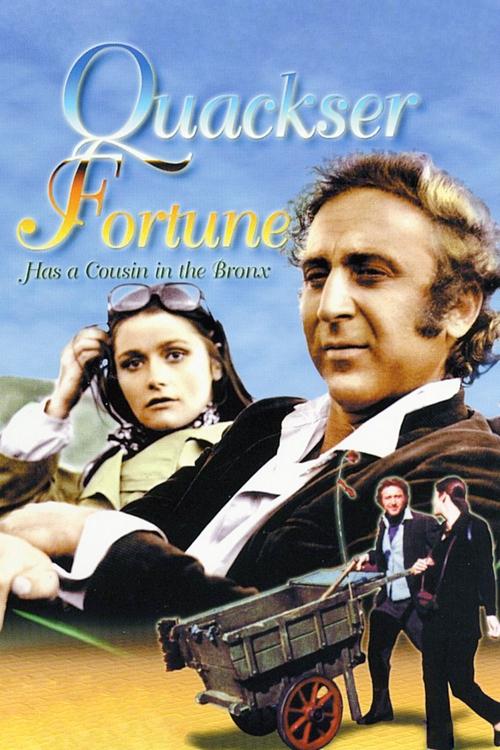
Quackser Fortune Has a Cousin in the Bronx
1970
No user ratings available yet
Representation score: 4.5 out of 10
Representation Score
Limited
1916
PassedDirector
Julia Crawford Ivers
Runtime
56 minutes
Average Rating
No ratings yetNew Showbiz Analysis
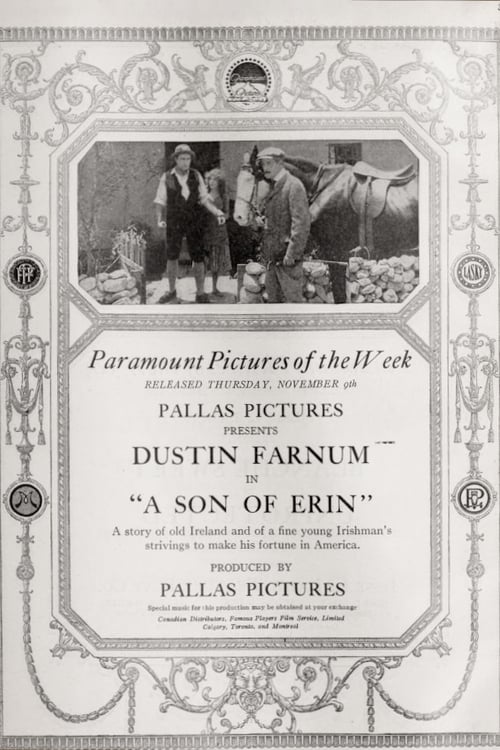
A Son of Erin is a historical curiosity that blends progressive production with traditional storytelling. The presence of Julia Crawford Ivers as a female director is a significant departure from the era's industry standards, offering a layer of creative ability to act rarely seen in 1916. While the film provides meaningful ethnic representation by focusing on the Irish immigrant struggle, the narrative itself remains tied to conventional formulas. The plot centers a male protagonist's economic journey and a standard romantic arc. Ultimately, the film serves as a window into the immigrant experience and early cinematic gender dynamics, even as it adheres to the era's limited social perspectives.
Category Breakdown
The film does not include any LGBTQ+ characters or narratives that question the assumption that everyone is straight or cisgender. The main romance between Dennis and Katie follows a traditional heterosexual storyline.
Julia Crawford Ivers, as a female director, provides significant influence in a male-dominated era. However, the story relies on the cliché of the female lead being a passive sweetheart.
The film centers the Irish immigrant experience in Manhattan, providing insight into ethnic identity and the socioeconomic challenges faced by the Irish diaspora.
The film critiques systemic corruption and institutional graft. It explores the tension between individual morality and the compromised authority of urban power structures.
There are no characters with visible or invisible disabilities in the film. No such identities are used as plot devices.
Present on Screen
Limited or Absent
Official Synopsis
Dennis O'Hara is a poverty-stricken Irishman who believes that if he comes to America he will immediately land a job as a policeman. So he manages to scrape together the funds to get him to Manhattan, and leaves his sweetheart Katie O'Grady behind while he makes his fortune. Naturally he discovers that joining the force isn't as easy as he expected, and when he does finally get in, he winds up in trouble because of the graft collections of his boss.
1970

1928
1942

1923

1926

1924

1917
1935
No reviews yet. Be the first to share your thoughts on this movie!
Use the rating form above to leave a star rating and optional review.