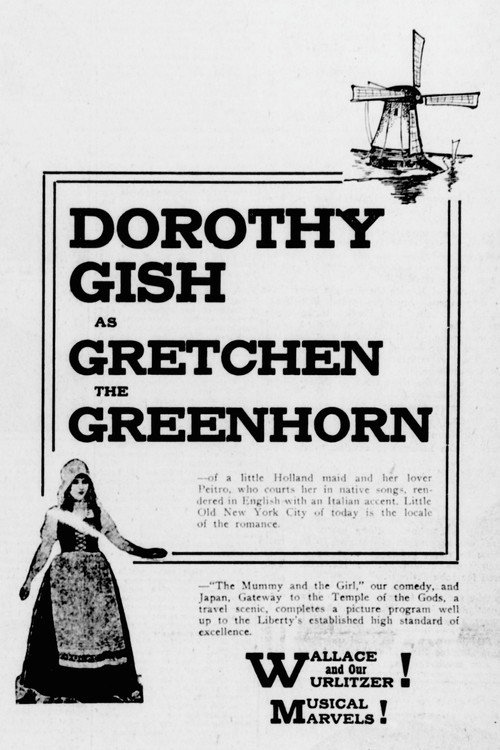
Gretchen the Greenhorn
1916
No user ratings available yet
Representation score: 2.9 out of 10
Representation Score
Limited
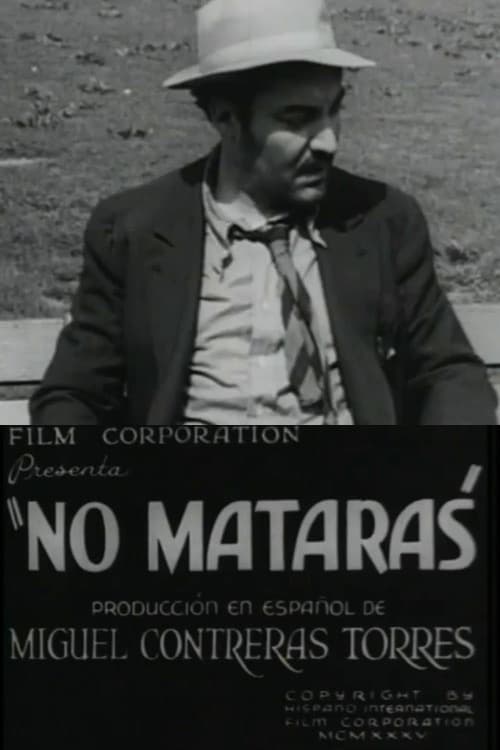
1935
ApprovedDirector
Miguel Contreras Torres
Runtime
92 minutes
Average Rating
No ratings yetNew Showbiz Analysis
No matarás offers a nuanced look at the immigrant experience during the Great Depression. It moves away from homogeneous American narratives by centering a Spanish protagonist and fostering ethnic solidarity through characters like the Cuban seller. However, the film remains limited by the era's traditional gender roles. The narrative focuses heavily on men's control over the story and the struggle for provider status, leaving little room for diverse gender expressions. Ultimately, the film serves as a socio-economic critique. It uses the protagonist's moral struggle against illegal activities to highlight the systemic failures facing underrepresented populations in 1930s New York.
Category Breakdown
The film does not include any LGBTQ+ characters or non-cisgender identities. The story focuses solely on traditional socio-economic and family dynamics.
Male characters, including the protagonist and several supporting figures, hold the primary narrative ability to act. While a mother is referenced in the backstory, the film centers on the male experience of labor and migration.
The story includes meaningful representation of non-Anglo-Saxon identities. By featuring a Spanish immigrant and a Cuban character, the film highlights cross-cultural solidarity among underrepresented ethnic groups.
The film critiques systemic failures by focusing on the hardships of the Great Depression. It explores the tension between individual ethics and the necessity of survival within a corrupt economic system.
There is no documented evidence of physical or neurodivergent disabilities portrayed in this work.
Present on Screen
Limited or Absent
Official Synopsis
Antonio Guerra is an unemployed Spanish immigrant in the USA. His brother and mother in Spain haven't heard about him for many years or even receive a letter. But one day, his brother receives a letter from him, telling that things are going well. But the reality is other. Antonio is passing a hard time in New Yor City, suffering the Years of Depression as many out of workers. One day, Antonio meets a nice Cuban seller, who invites him to eat at his poor house. The seller advices Antonio to visit a man, who has contacts and could help him to find a job. Nevertheless, Antonio is send with the leader of a group of gangsters, dedicated to the illegal traffic of alcohol. Antonio is offered a work of dealer, but he won't do anything out of the law.
1916
1937

1996

2007

1931

2013
1955

1937
No reviews yet. Be the first to share your thoughts on this movie!
Use the rating form above to leave a star rating and optional review.