
Our Lady of San Juan, Four Centuries of Miracles
2021
No user ratings available yet
Representation score: 3.1 out of 10
Representation Score
Limited
1917
Director
Fernando Sáyago, Carlos E. González, José Manuel Ramos
Runtime
63 minutes
Average Rating
No ratings yetNew Showbiz Analysis
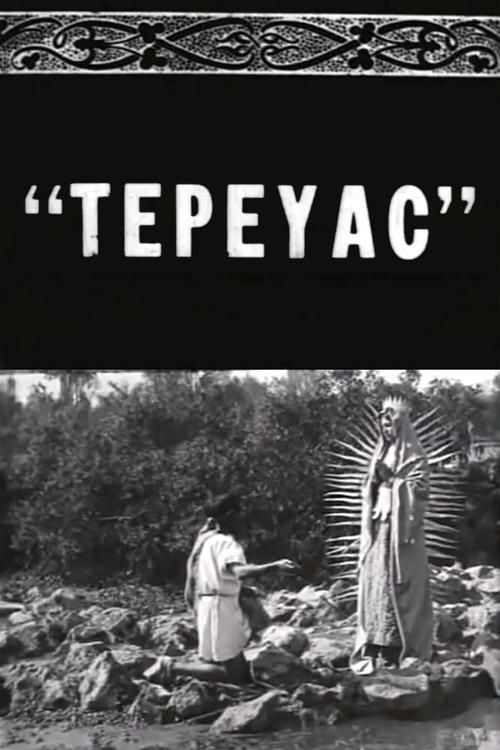
Tepeyac is a period piece that emphasizes traditional social and spiritual hierarchies. While it offers a departure from Eurocentric cinema by focusing on Mexican cultural landmarks, it does so through a very narrow, conservative lens. The film heavily relies on established religious and gender norms. The narrative structure reinforces the era's conventional roles, positioning men in active roles and women in reactive, emotional, and spiritual ones. Ultimately, the work reinforces early 20th-century values. It provides cultural specificity but lacks the diversity of identity or the challenge of social norms found in more progressive cinema.
Category Breakdown
The film focuses on a traditional romantic relationship between Arroyo Carrillo and Lupita. There is no indication of queer undertones or diverse gender identities in the story.
Gender roles adhere to a traditional hierarchy. The male protagonist handles external affairs, while Lupita stays within the domestic and spiritual realm, responding to events through religious practices.
The film offers meaningful representation of Mexican identity by highlighting local characters and landmarks. However, the cast reflects a uniform ethnic makeup typical of the setting.
The narrative emphasizes traditional Catholic institutions. The plot revolves around the veneration of La Virgen de Guadalupe and the adherence to established moral codes.
There are no visible or invisible disabilities portrayed as part of the narrative in this story.
Present on Screen
Limited or Absent
Official Synopsis
A man (Arroyo Carrillo) is sent to Europe on a diplomatic mission. The ship in which he travels is sunk by a German submarine. In Mexico, his girlfriend Lupita (Cota) receives a telegram with the news and looks for relief in La Virgen de Guadalupe, saint patron of catholic mexicans. After reading a book about the Virgin legend, Lupita falls asleep. Next morning, she receives good news, her boyfriend is alive. Together they go to La Villa del Tepeyac (a church devoted to La Virgen de Guadalupe) and thank for the miracle.
2021
2020
1951

1943

1958
1960
1952
1930
No reviews yet. Be the first to share your thoughts on this movie!
Use the rating form above to leave a star rating and optional review.