To Be a Crook
1965
No user ratings available yet
Diversity score: 4.2 out of 10
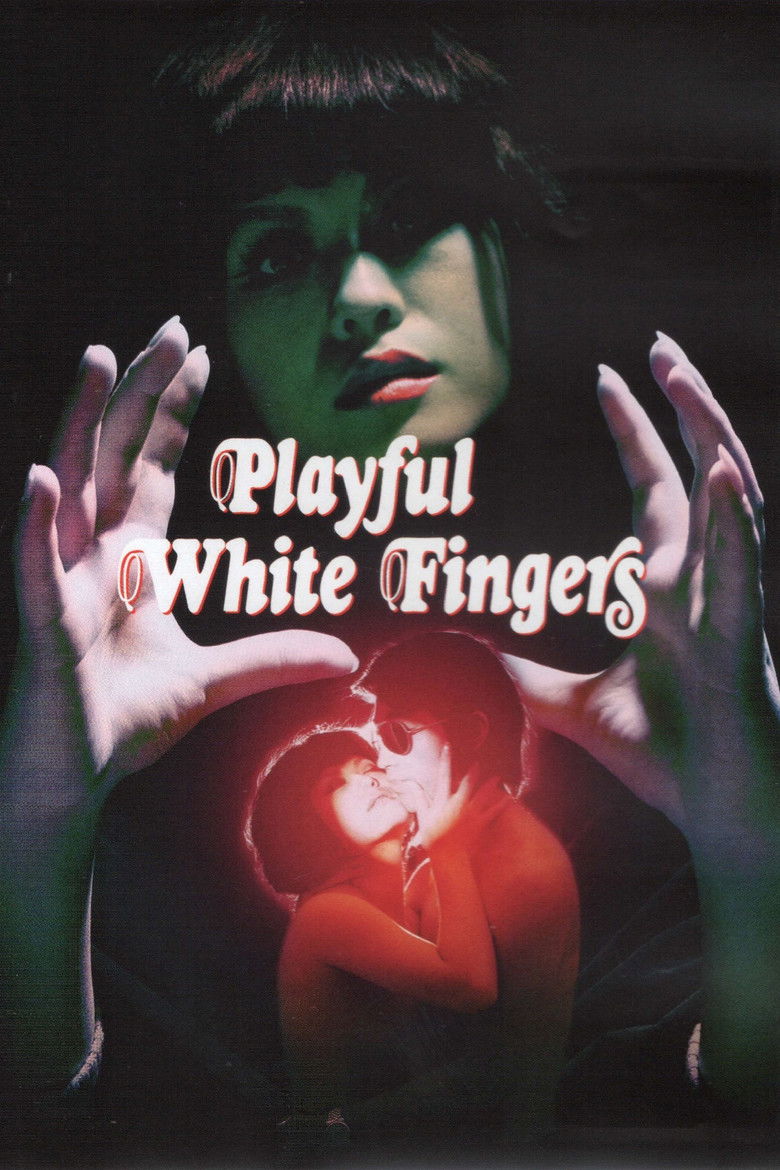
1972
Director
Tōru Murakawa
Runtime
75 minutes
Average Rating
No ratings yetSynopsis
A girl falls for a pickpocketer who gets arrested, so she hooks up with his ex-girlfriend and his ex-cellmate.
Overall Score
Fair
Category Breakdown
LGBTQ+ Representation
The film disrupts heteronormative structures by following a female protagonist who forms intimate connections with both a man and his female counterpart. This suggests a fluidity in relationships that challenges traditional nuclear family models.
Gender Representation
Women are not merely passive subjects in this crime drama. The plot centers on female agency and the formation of female-led social networks, subverting the common trope of the woman as a victim.
Racial & Ethnic Diversity
The film appears to be a localized Japanese production focusing on urban social strata. There is no evidence of multi-ethnic casting or intentional non-Anglo-Saxon diversity.
Religious & Cultural Diversity
The narrative prioritizes the perspective of the social outcast, focusing on pickpocketers and criminals. It uses moral relativism to critique the rigidity of mainstream social order and institutional stability.
Disability Representation
There is no documented evidence of characters with visible or invisible disabilities within the film's narrative or genre characteristics.
Strengths
Areas for Improvement
AI Analysis
Playful White Fingers distinguishes itself through its transgressive narrative structure, which moves away from traditional domestic hierarchies. By centering on female agency and non-traditional romantic trajectories, the film offers a meaningful disruption of conventional social expectations common in 1970s cinema. However, the film lacks intersectional depth. The focus remains strictly on localized Japanese social strata, leaving racial and disability-based representation entirely unaddressed. The exploration of identity is primarily tied to the eroticism and social marginalization inherent to the pinku eiga genre. Ultimately, the film succeeds in subverting gender and heteronormative tropes but fails to provide a broader spectrum of human experience regarding race or physical ability.
1965
1985
1978
1946
1963

1964
1965
1953
1927
1958
2010
1960
No reviews yet. Be the first to share your thoughts on this movie!
Use the rating form above to leave a star rating and optional review.