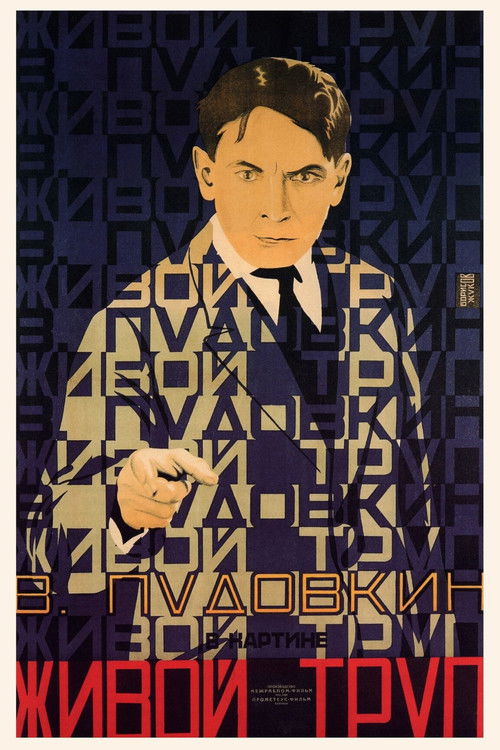
The Living Corpse
1929
No user ratings available yet
Diversity score: 4.8 out of 10
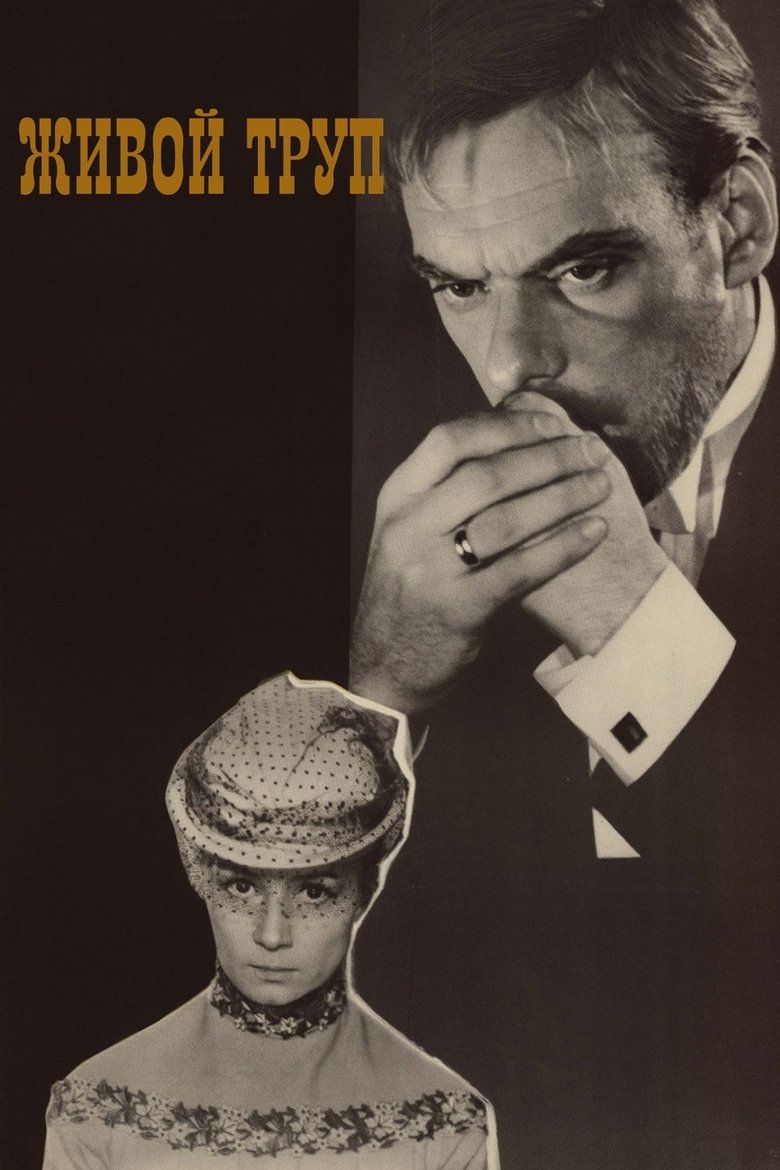
1969
Director
Vladimir Vengerov
Runtime
134 minutes
Average Rating
No ratings yetSynopsis
According to Fyodor Protasov, the surrounding life is riddled with dirt and falsehood. He does not want to participate "in all this dirty trick", he does not have the courage to fight it, and he chooses the third way — to stage suicide.
Overall Score
Fair
Category Breakdown
LGBTQ+ Representation
The film provides no explicit evidence of non-heteronormative identities or queer narratives. There is a lack of specific character details to support an assessment of LGBTQ+ representation.
Gender Representation
The story centers on a male protagonist's psychological struggle. It subverts traditional masculine archetypes by portraying a man who rejects stoic leadership in favor of social withdrawal.
Racial & Ethnic Diversity
The drama appears set within a specific, localized cultural context. The narrative focuses on specific social hierarchies rather than presenting a diverse or intersectional ensemble cast.
Religious & Cultural Diversity
The film offers a strong critique of established social institutions. It prioritizes moral relativism, framing the surrounding social order as inherently corrupt and oppressive.
Disability Representation
There is no information available regarding the portrayal of physical or neurodivergent disabilities. The narrative focus remains on the protagonist's social and moral disillusionment.
Strengths
Areas for Improvement
AI Analysis
The Living Corpse is a character study centered on systemic disillusionment and the rejection of societal corruption. Its primary strength lies in its intellectual critique of social institutions and its subversion of traditional moral expectations. However, the film lacks verifiable data regarding intersectional identities. The narrative is heavily focused on a single male perspective, leaving little room for a diverse cast or varied representation of race and gender. Ultimately, the work functions more as a philosophical critique of social structures than a diverse ensemble piece, prioritizing individual moral autonomy over broad demographic representation.
1929
1990
1976
1954
1941
1961

1961
2014
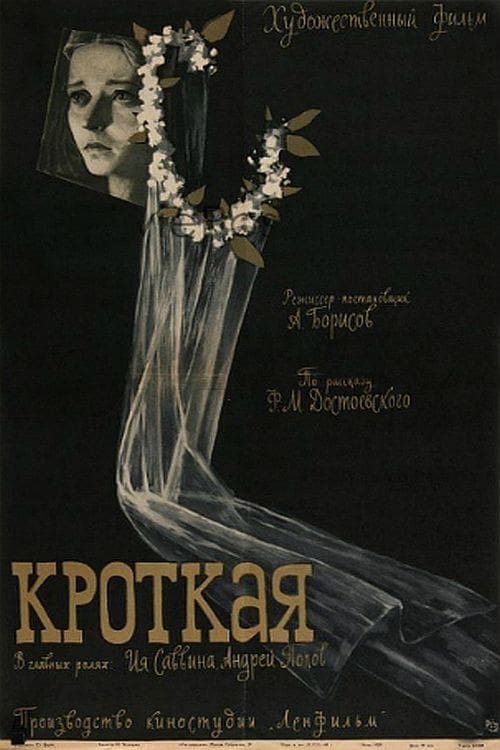
1960

1978
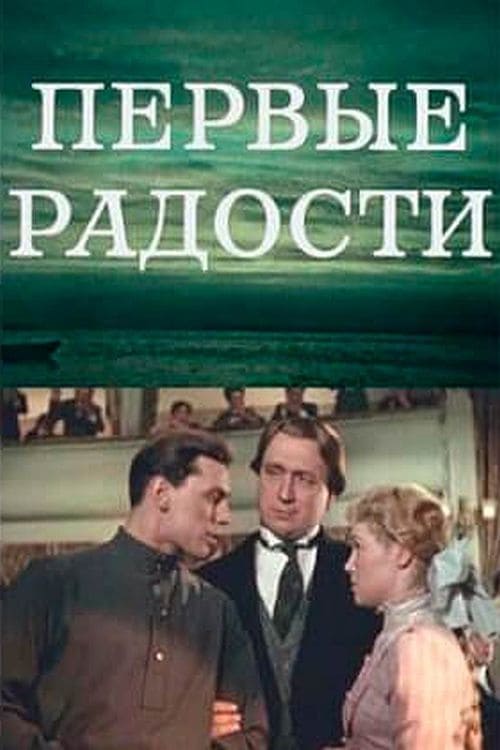
1956
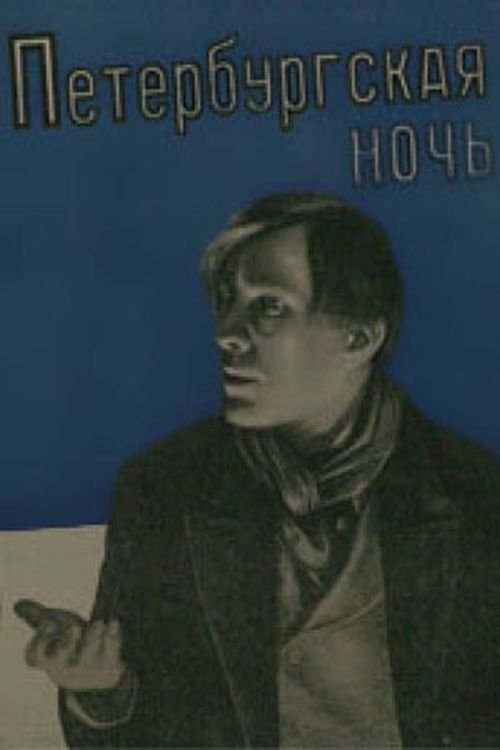
1934
No reviews yet. Be the first to share your thoughts on this movie!
Use the rating form above to leave a star rating and optional review.