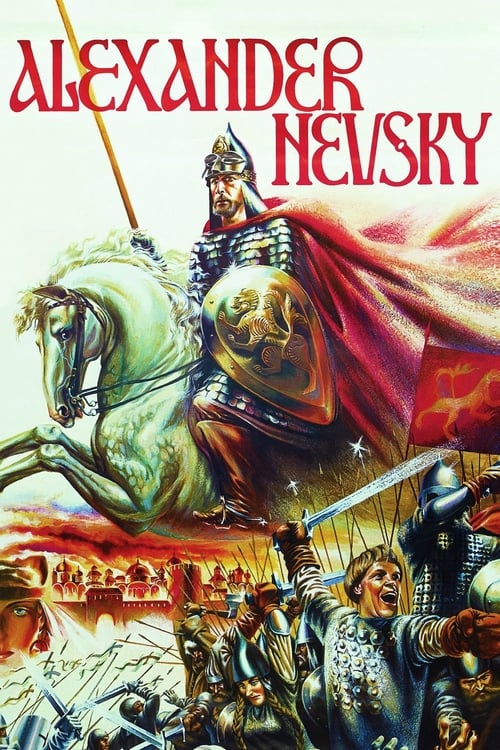
Alexander Nevsky
1938
No user ratings available yet
Representation score: 1.5 out of 10
Representation Score
Limited
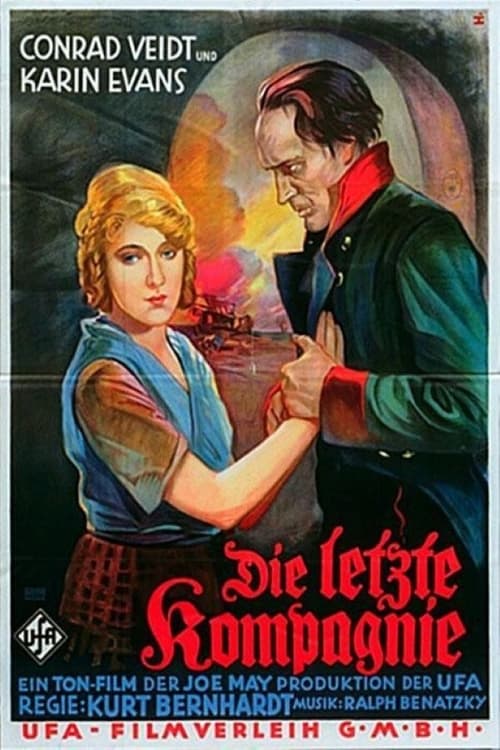
1930
Director
Curtis Bernhardt
Runtime
79 minutes
Average Rating
No ratings yetNew Showbiz Analysis
The Last Company is a traditional historical drama centered around the nationalist themes of early 20th-century European cinema. While it includes a notable female character who defies passive feminine stereotypes, the film remains focused on a narrow demographic and historical context. It avoids broader social diversities and maintains a strong emphasis on traditional values.
Category Breakdown
The film is set during the Napoleonic Wars and does not include any characters with LGBTQ+ identities or non-straight relationships.
The windmill owner's daughter actively participates in the military defense, challenging traditional feminine roles in historical dramas.
The film is set during the 1806 Prussian-French conflict and features a cast that reflects the homogeneous demographics of Central Europe.
The story emphasizes themes of national pride and military duty, focusing on the values of Prussian nationalism and patriotism.
The film does not depict any characters dealing with physical or neurological disabilities.
Present on Screen
Limited or Absent
Official Synopsis
Following the Battle of Jena in 1806 as the French armies commanded by Napoleon overrun Prussia, a small detachment of Prussian troops take up position in a windmill and resolve fight to the last man to hold them off for as long as possible. Meanwhile, the windmill owner's daughter chooses to stay and fight alongside them.
1938
1959
2004

1964

1987
1905

2010

2013
No reviews yet. Be the first to share your thoughts on this movie!
Use the rating form above to leave a star rating and optional review.