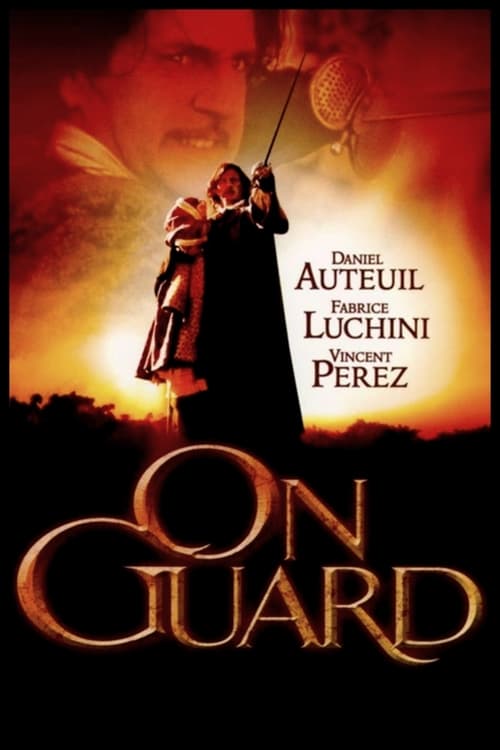
On Guard
1997
No user ratings available yet
Representation score: 3.3 out of 10
Representation Score
Limited
2016
RDirector
Aleksei Mizgiryov
Runtime
110 minutes
Average Rating
No ratings yetNew Showbiz Analysis
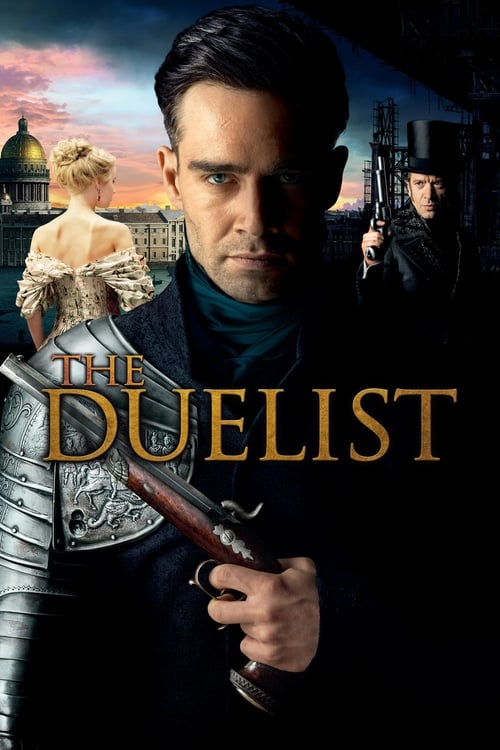
The Duelist is a period-specific drama that prioritizes historical authenticity and atmospheric fatalism over contemporary progressive narratives. It reinforces traditional social hierarchies and ethnic homogeneity consistent with its 19th-century Russian setting. While the film provides a sophisticated critique of the psychological cost of 'honor,' it lacks the narrative tools to disrupt conventional gender, racial, or institutional norms. The storytelling remains deeply rooted in the era's standard social scripts. Ultimately, the film functions as a localized character study. It focuses on the existential struggle of the individual within a traditionalist society rather than providing diverse representation.
Category Breakdown
The film follows the social structures of 19th-century Imperial Russia, where everyone is assumed to be straight or cisgender. There are no characters with non-traditional gender identities or same-sex relationships in the main storyline. The focus remains on traditional romantic tensions.
The story operates within a strict patriarchal system. Female characters like Princess Martha play important roles in the protagonist's emotional journey but mainly function as catalysts for male development and social hierarchy.
The casting reflects the ethnic uniformity of the Russian Imperial aristocracy. There is no representation of diverse ethnic groups, focusing instead on a localized portrayal of the Saint Petersburg elite.
The film critiques the 'honor code' and military authority through the lens of individual obsession. It explores fatalism and social ritual without explicitly challenging imperial or Western institutions.
Psychological trauma and violence are used as elements of character strength rather than nuanced explorations of disability. Characters lack independent ability to act regarding neurodivergence or physical impairments.
Present on Screen
Limited or Absent
Official Synopsis
Returning to Saint Petersburg after a long exile, the dashing Yakovlev, a retired army officer, makes a comfortable living by winning other people's duels. An enigmatic, focused, and extremely skilled professional, he leaves a trail of dead bodies behind him as he swirls through polite society, frequently called upon to wield a pistol as a surrogate in duels at dawn. But when Yakovlev meets the naïve young Prince Tuchov and his beautiful sister, Princess Martha, the normally cold-hearted mercenary is surprised by hitherto undetected emotions. What transpires uncovers a series of revelations about his past and his present self.
1997
1962

1968

1975
1970

2021

1964

2015
No reviews yet. Be the first to share your thoughts on this movie!
Use the rating form above to leave a star rating and optional review.