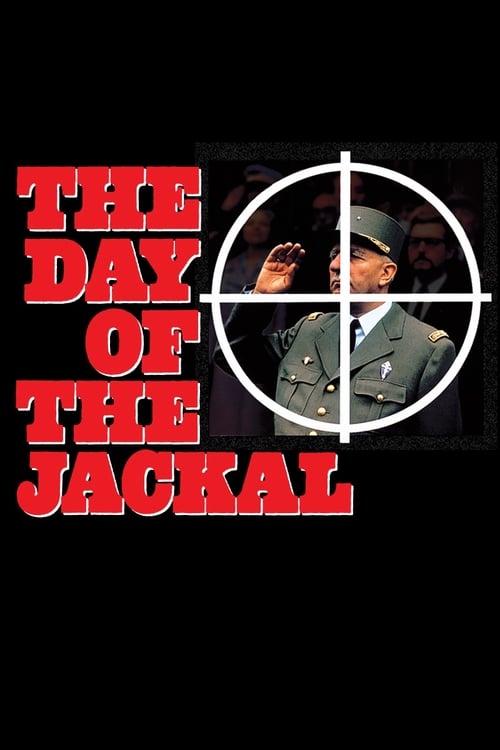
The Day of the Jackal
1973
No user ratings available yet
Representation score: 0.6 out of 10
Representation Score
Minimal
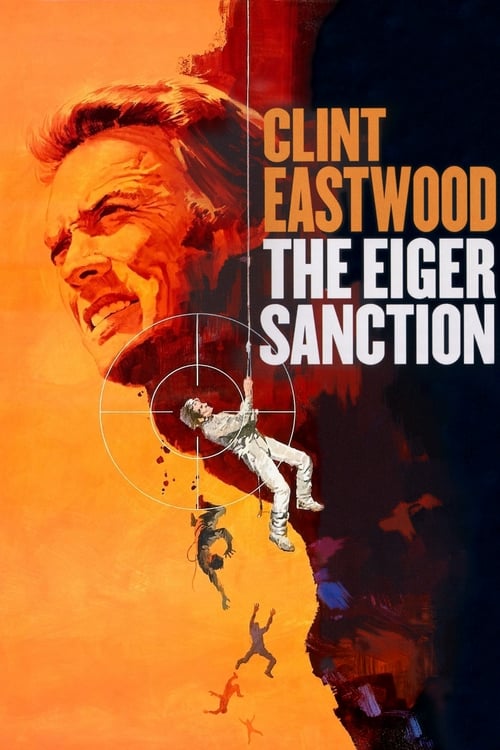
1975
RDirector
Clint Eastwood
Runtime
129 minutes
Average Rating
No ratings yetNew Showbiz Analysis
The Eiger Sanction exemplifies traditional 1970s adventure cinema. It focuses on individual skill and professionalism while avoiding social or cultural critiques. The story revolves around a single, traditionally masculine archetype. The film upholds a conventional, Western-centric viewpoint. It lacks diverse ethnic representation or multi-layered identities, emphasizing a localized European setting and technical expertise.
Category Breakdown
The film doesn't include any LGBTQ+ identities or queer subtext. It follows the traditional heterosexual norms typical of 1970s action movies.
Carol Douglas is a capable climber, but the story centers on the male lead. The film upholds traditional gender roles without challenging patriarchal dominance.
The cast is predominantly white, with a noticeable lack of characters of color who have significant roles or meaningful representation.
The story emphasizes Western espionage and individual achievement without critiquing cultural norms. It promotes a Western perspective of competent individuals navigating systems.
The film doesn't depict any physical or neurodivergent disabilities. Characters are defined by their peak physical performance in high-altitude climbing.
Present on Screen
Limited or Absent
Official Synopsis
A classical art professor and collector, who doubles as a professional assassin, is coerced out of retirement to avenge the murder of an old friend.
1973
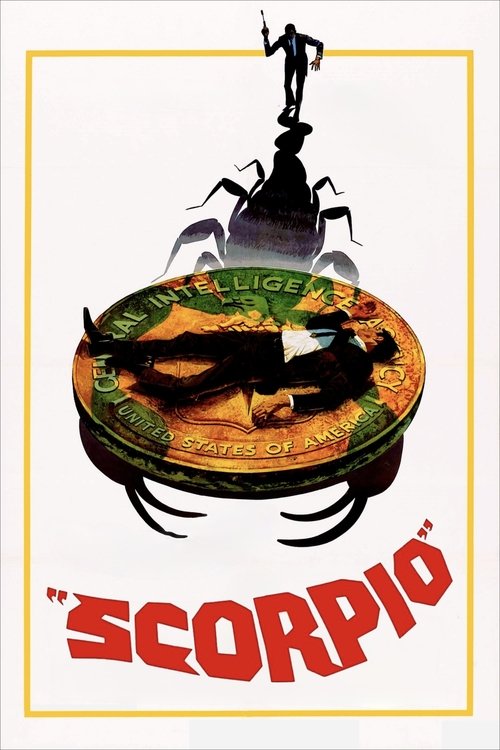
1973

2007
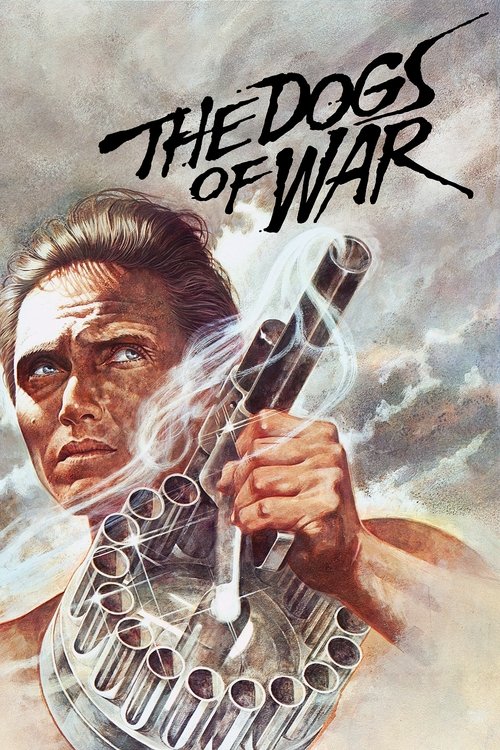
1980
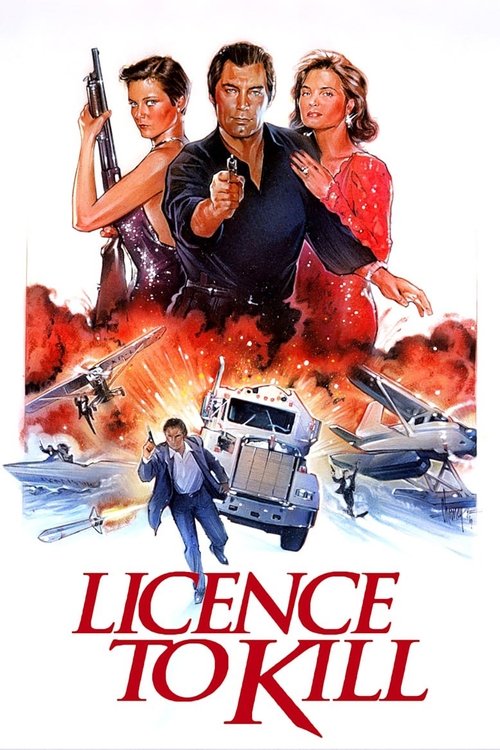
1989
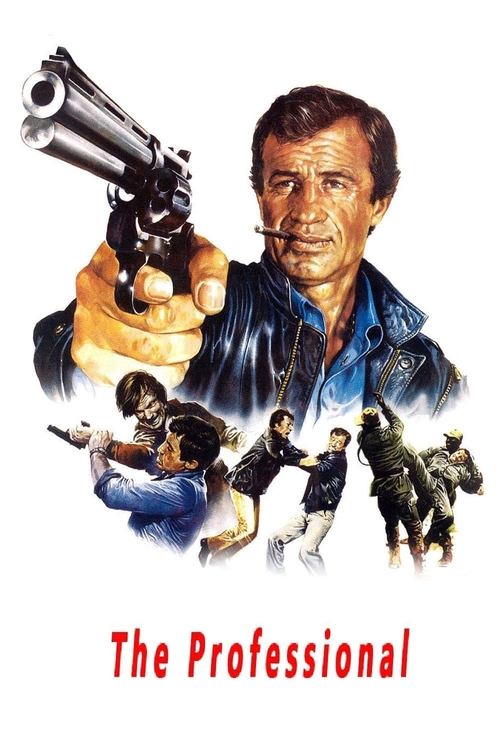
1981
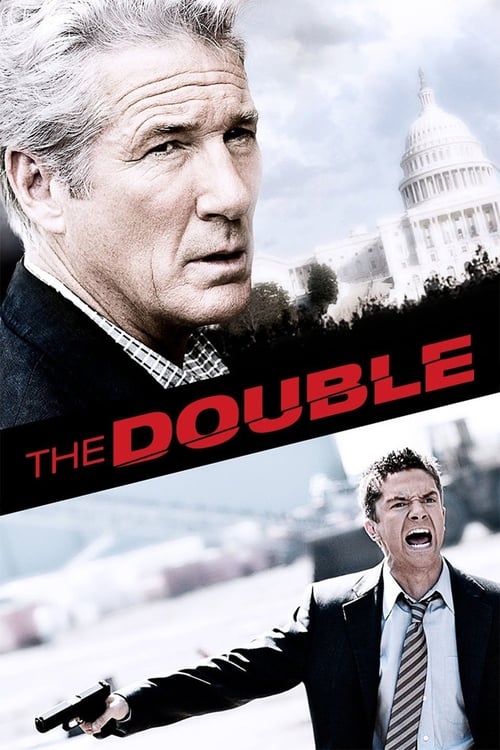
2011
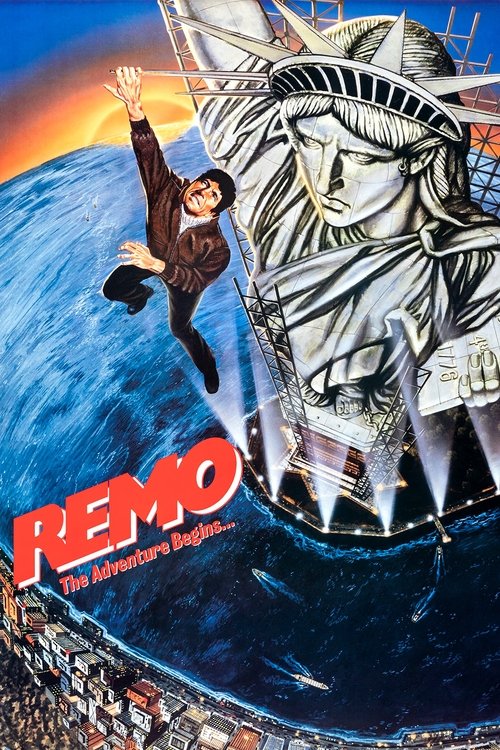
1985
No reviews yet. Be the first to share your thoughts on this movie!
Use the rating form above to leave a star rating and optional review.