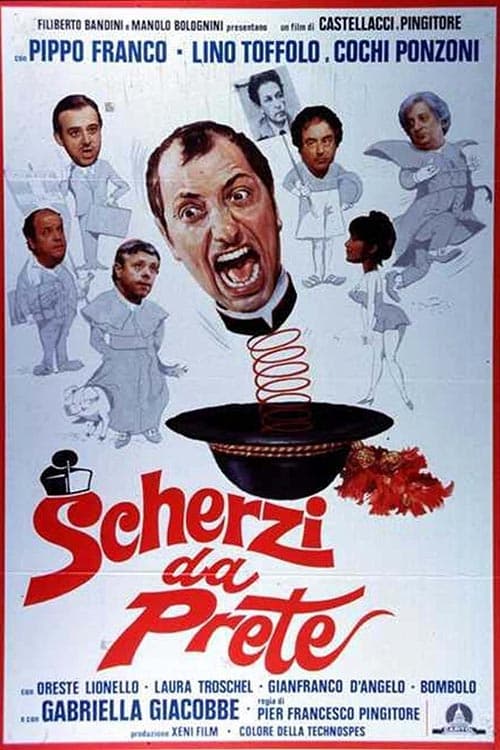
Scherzi da prete
1978
No user ratings available yet
Representation score: 3.1 out of 10
Representation Score
Limited
1977
Director
Gino Bramieri, Walter Chiari, Pino Caruso, Vittorio Sindoni
Average Rating
No ratings yetNew Showbiz Analysis
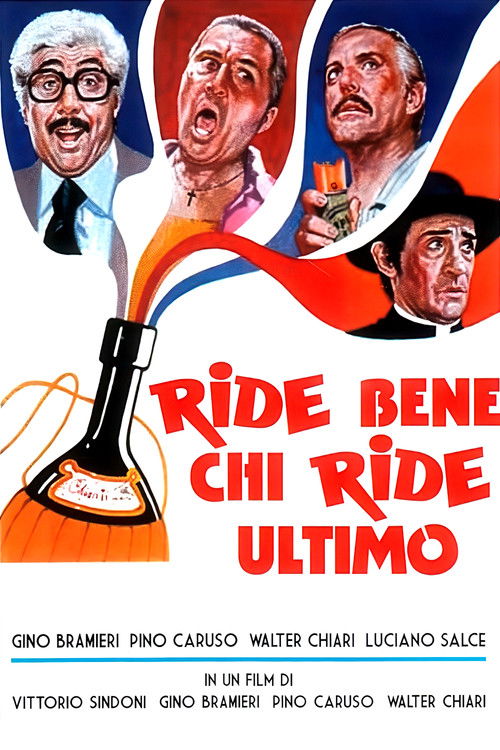
Ride bene... chi ride ultimo is a multi-narrative anthology comedy reflecting the social tensions of late 1970s Italy. It explores class and institutional friction through various social vignettes. The film's strength lies in its cross-cultural elements and the creative influence of its directors. However, it remains largely tied to the era's conventional storytelling patterns and traditional gender roles. Ultimately, the work occupies a transitional space, offering glimpses of identity-based narratives while relying heavily on established comedic archetypes.
Category Breakdown
The presence of Pino Caruso in the directorial credits suggests a possible engagement with LGBTQ+ themes. However, the film does not explicitly confirm any specific LGBTQ+ plotlines.
The film seems to rely on traditional comedic archetypes and domestic clichés. There is little evidence of women taking a leading role in driving the central plots or challenging patriarchal hierarchies.
The inclusion of a sheikh interacting with a local official introduces cross-cultural encounters. This adds a layer of diversity by featuring non-Western figures.
Scenes involving a sacristan and a mistaken priest highlight religious and class-based social friction. The film uses traditional institutions as comedic set pieces.
There is no apparent portrayal of physical or neurodivergent disabilities in the film's narrative.
Present on Screen
Limited or Absent
Official Synopsis
Misadventures of a sacristan with three eager tourists, a commendatore with a sheikh, a worker who is passionate about hunting with a wife too good and an appearance mistaken for a priest with a patrician family.
1978
1980
1977
1973
1988
1971

1966
1975
No reviews yet. Be the first to share your thoughts on this movie!
Use the rating form above to leave a star rating and optional review.