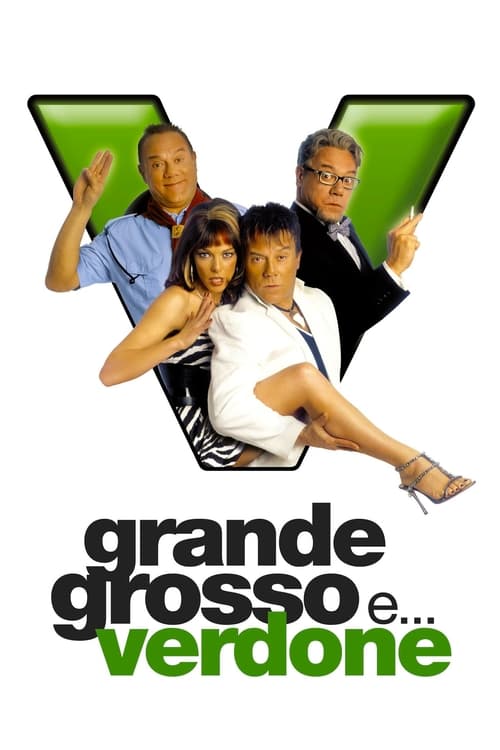
Grande, grosso e... Verdone
2008
No user ratings available yet
Representation score: 3.0 out of 10
Representation Score
Fair
1980
Director
Carlo Verdone
Runtime
97 minutes
Average Rating
No ratings yetNew Showbiz Analysis
Carlo Verdone’s comedy centers on local social observations and character-driven humor. The film adheres to the traditional constraints of its time, focusing on individual struggles within established social roles. The story structure stays within conventional boundaries, exploring dating and social awkwardness without delving into systemic power dynamics or modern identity issues. Overall, the film serves as a period piece that examines the peculiarities of the Italian middle class without engaging with diverse social frameworks.
Category Breakdown
The film focuses on heterosexual relationships and traditional courtship. There is no evidence of non-binary gender identities or same-sex intimacy among the main characters.
Gender dynamics reflect the social norms of 1980s Italy. While male incompetence is a comedic theme, the film does not critically examine patriarchal structures.
Set in a specific part of Rome, the cast is primarily made up of Italians from a similar background. The story does not include characters from different racial or ethnic backgrounds.
The story revolves around the experiences of lonely individuals in an urban setting. It emphasizes traditional family bonds through the 'mama's boy' stereotype without questioning them.
Characters are portrayed with various social and psychological quirks. The film does not feature meaningful representation of physical disabilities or neurodivergent conditions.
Present on Screen
Limited or Absent
Official Synopsis
Three characters' misadventures in semi-deserted, summertime Rome: a dim-witted mama's boy falls for a tourist; a would-be womanizer struggles to find company for his sex tourism trip to Kraków; a hippie is drawn into his father's schemes to bring him back into polite society.
2008
1981
1965
1995

1989
1983
1978

1987
No reviews yet. Be the first to share your thoughts on this movie!
Use the rating form above to leave a star rating and optional review.