Gole Ruggenti
1992
No user ratings available yet
Representation score: 3.5 out of 10
Representation Score
Limited
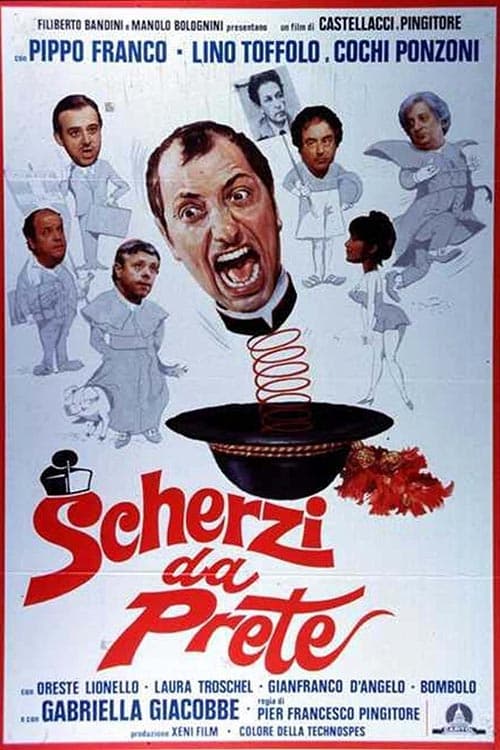
1978
Director
Pier Francesco Pingitore
Average Rating
No ratings yetNew Showbiz Analysis
Scherzi da prete operates within the context of traditional Italian farce, utilizing social archetypes to drive its comedy. It focuses on situational humor rather than deep character development. The film provides a moderate critique of institutional authority, particularly targeting religious structures. However, it does not offer the multi-layered complexity seen in modern media, adhering instead to the social hierarchies of the late 1970s. Overall, the film reflects the demographic homogeneity of its time, offering satire without actively seeking diverse or intentional representation.
Category Breakdown
The film does not clearly depict intentional LGBTQ+ narratives. Instead, it uses exaggerated gender roles for humor, which may come across as stereotypical rather than nuanced.
While there are female characters, the film focuses on male comedic leads and uses traditional gender roles as comedic setups without critiquing patriarchal structures.
The cast and setting reflect the homogeneous demographics of 1978 Italy. There is no indication of diverse casting or the inclusion of non-Anglo-Saxon performers.
The film satirizes religious institutions and clerical authority, using human flaws and absurdity to critique these social pillars from a secular perspective.
There is no information available regarding the portrayal of physical or neurodivergent characters in this work.
Present on Screen
Limited or Absent
1992

1980
1982
1989
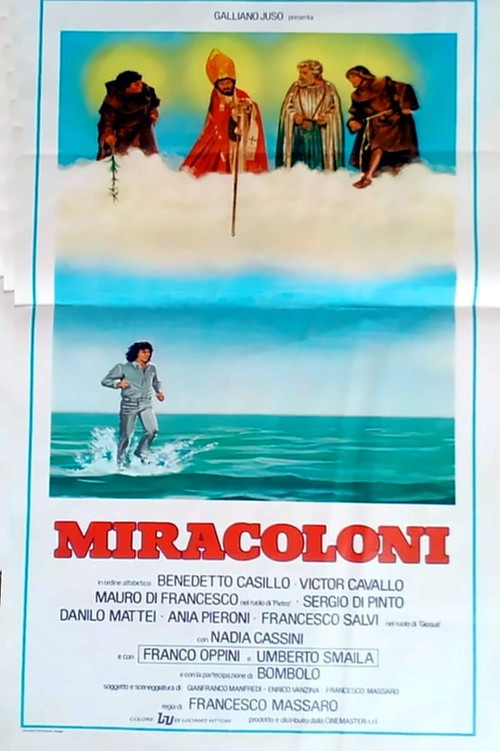
1981
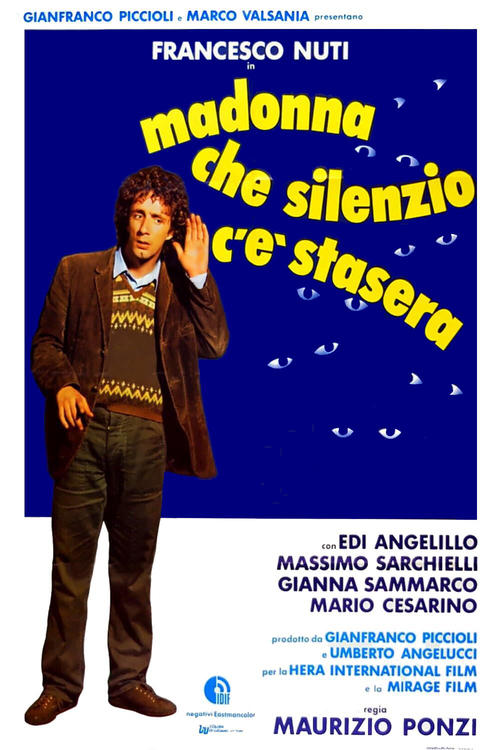
1982
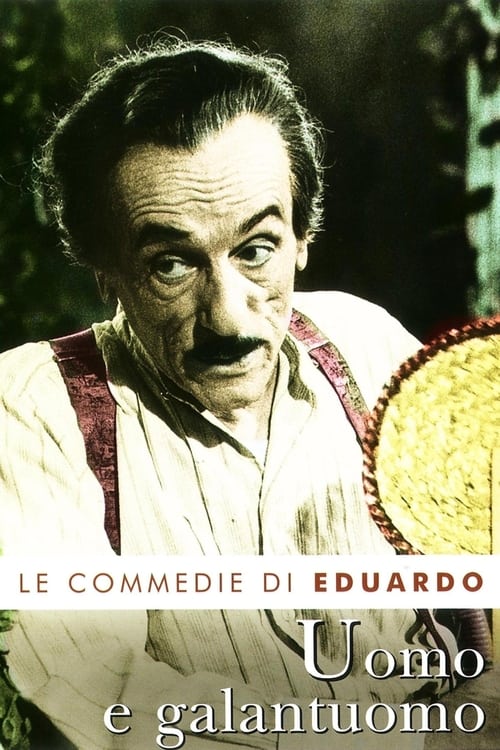
1975
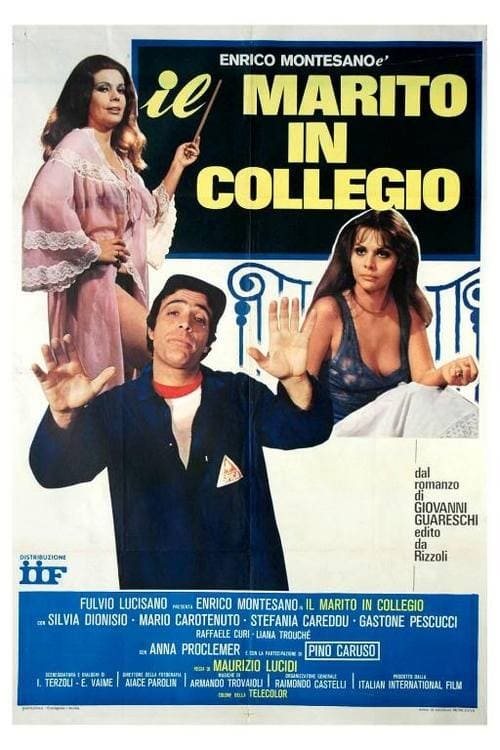
1977
No reviews yet. Be the first to share your thoughts on this movie!
Use the rating form above to leave a star rating and optional review.