
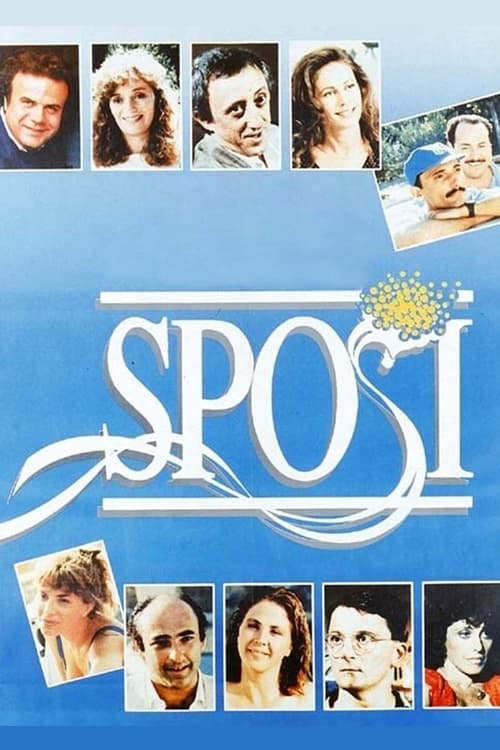
W gli sposi
2018
No user ratings available yet
Representation score: 3.4 out of 10
Representation Score
Fair
1988
Director
Antonio Avati, Pupi Avati, Cesare Bastelli, Felice Farina, Luciano Manuzzi
Average Rating
No ratings yetNew Showbiz Analysis
Sposi is a product of its time, functioning as a localized Italian comedy that adheres to the social frameworks of the late 1980s. The ensemble cast reflects a homogeneous Mediterranean demographic, prioritizing traditional cultural institutions like marriage over diverse casting. The film lacks significant representation of LGBTQ+ identities or racial diversity, focusing instead on established comedic clichés. Female performers are present, but their roles are tied to traditional gender hierarchies rather than subverting them. Ultimately, the production serves as a snapshot of period-specific social norms, utilizing character eccentricities for humor rather than providing nuanced or empowering depictions of disability or underrepresented identities.
Category Breakdown
The film follows typical late 1980s comedic structures. There are no explicit critiques of the assumption that everyone is straight or cisgender or visible queer ability to act.
Featuring prominent actresses like Delia Boccardo, female characters often exist in relation to male protagonists. The film reinforces traditional gender dynamics of the era.
As a localized Italian comedy, the production prioritizes a homogeneous Mediterranean cast. It reflects the demographic norms of its time without significant racial blending.
The narrative centers on traditional Italian social structures like marriage and family. It aligns with conventional cultural values rather than challenging them.
Character actors like Carlo Delle Piane appear, but physical differences often serve comedic effect. There is no evidence of disability as a theme of empowerment.
Present on Screen
Limited or Absent
2018

1995

1975

2004
1978

1966
1985
1981
No reviews yet. Be the first to share your thoughts on this movie!
Use the rating form above to leave a star rating and optional review.