American Ninja
1985
No user ratings available yet
Representation score: 2.2 out of 10
Representation Score
Minimal
1986
PGDirector
Corey Yuen
Runtime
94 minutes
Average Rating
No ratings yetNew Showbiz Analysis
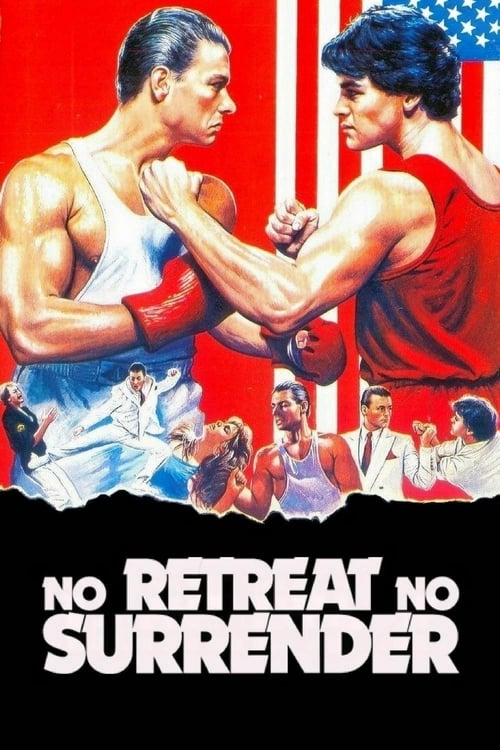
No Retreat, No Surrender is a quintessential 1980s genre piece that prioritizes kinetic martial arts spectacle over narrative restructuring. The film functions within established social hierarchies, focusing on individual merit and physical combat rather than social commentary. The storytelling relies heavily on traditional archetypes. Masculinity and familial protection drive the plot, leaving little room for diverse perspectives or the subversion of systemic power dynamics. Ultimately, the film reinforces standard cinematic clichés of its era. It lacks the intentionality required to disrupt conventional expectations regarding gender, identity, or characters who reflect more than one aspect of diversity.
Category Breakdown
The film follows a traditional coming-of-age martial arts storyline focused on male bonding. It operates within a conventional framework that assumes everyone is straight or cisgender.
The plot revolves around male characters like the father and protagonist, who play a central role in driving the story. Physical strength and combat prowess are key elements.
Set in San Francisco, the film does not explore racial identity as a central theme. Representation serves as a functional setting rather than an exploration of multiple aspects of identity.
The story emphasizes personal discipline and the protection of the family unit. It reinforces traditional social structures and Western genre clichés rather than challenging them.
The father's injury serves primarily as a narrative catalyst to force the protagonist into responsibility. It lacks a nuanced portrayal of living with a disability.
Present on Screen
Limited or Absent
Official Synopsis
The mob is trying to strongarm local martial arts schools, forcing young Jason Stillwell and his family to move after his father is injured defending their dojo. With his father now rejecting violence, Jason is forced to train on his own to protect himself and his best friend from the members of a rival karate school.
1985

1993
1984
1992

2008
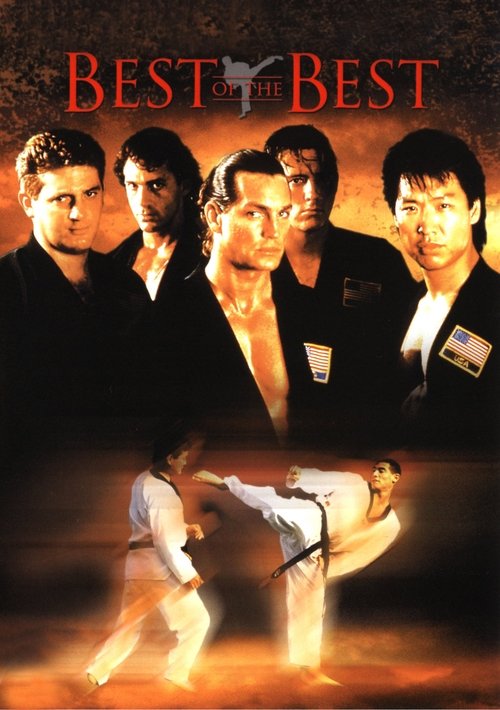
1989

2016

1991
No reviews yet. Be the first to share your thoughts on this movie!
Use the rating form above to leave a star rating and optional review.